Major environmental concerns have been raised after the collision between a U.S. tanker and a Portuguese cargo ship, both carrying hazardous substances, 17-kilometres off the English coastline. Potential oil spills and escape of highly toxic sodium cyanide could see environmental damage.
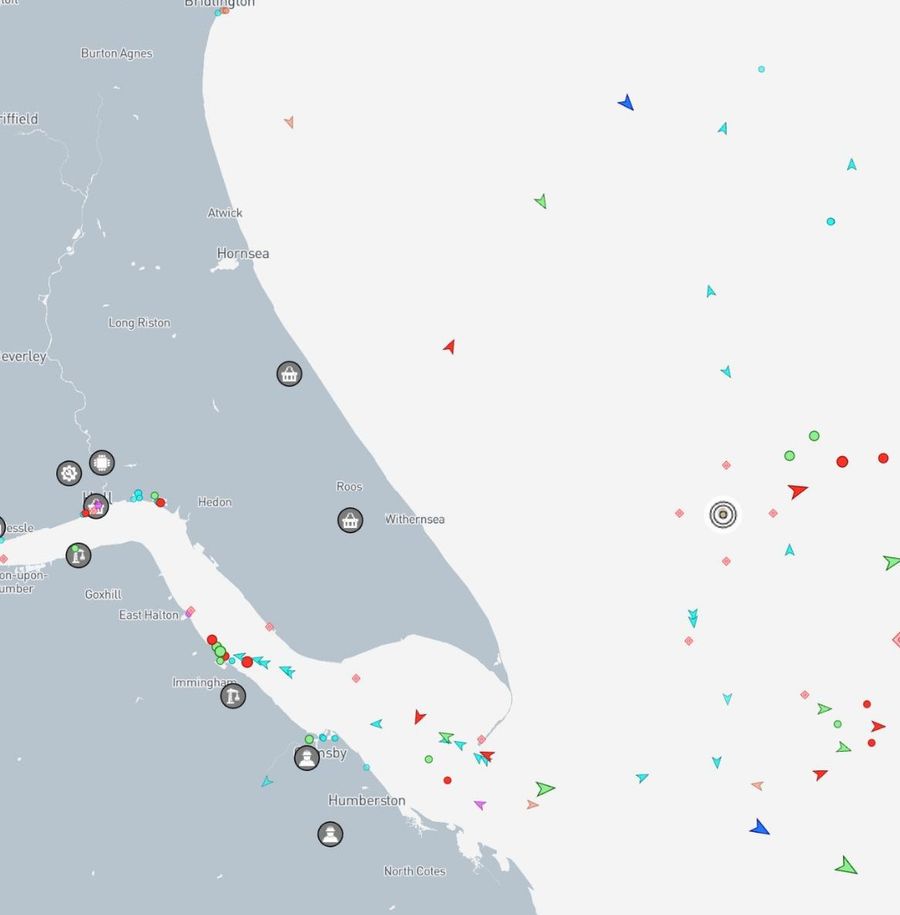
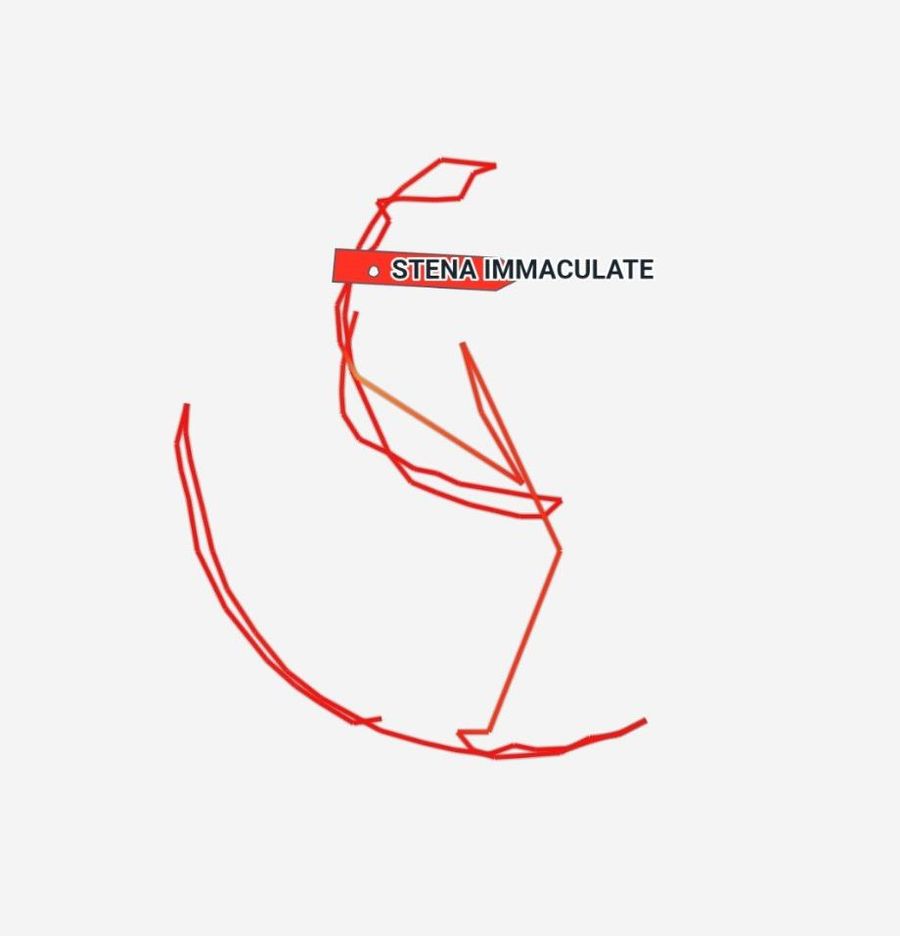
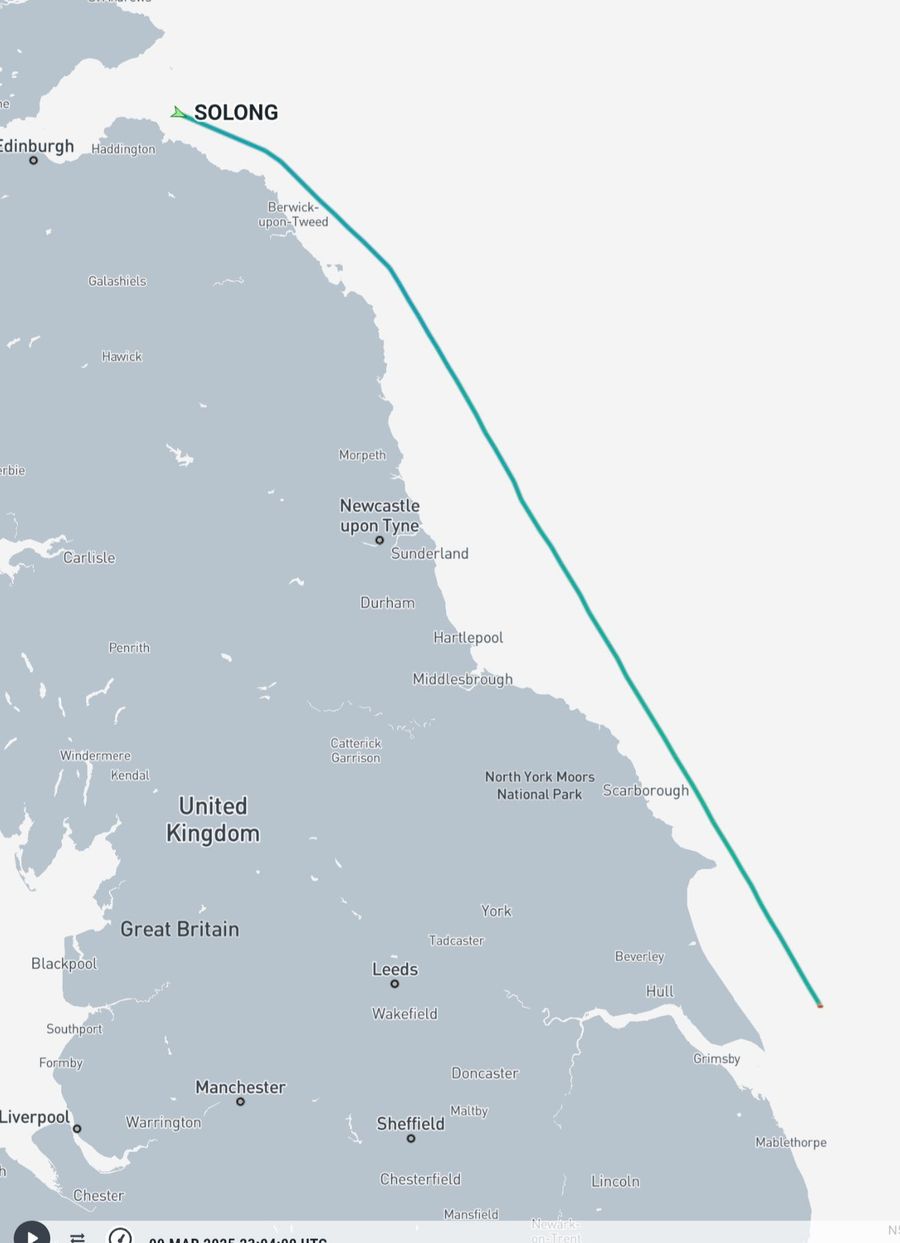
Double circle off centre to the right is the AIS location of the two ships.The incident occurred before 10am GMT near the Humber Estuary. Humber Estuary
,
located
on the north-east coast of England
and borders the North Sea
, hosts several major trade gateway ports, including
Hull, Grimsby, Immingham, and Goole
.
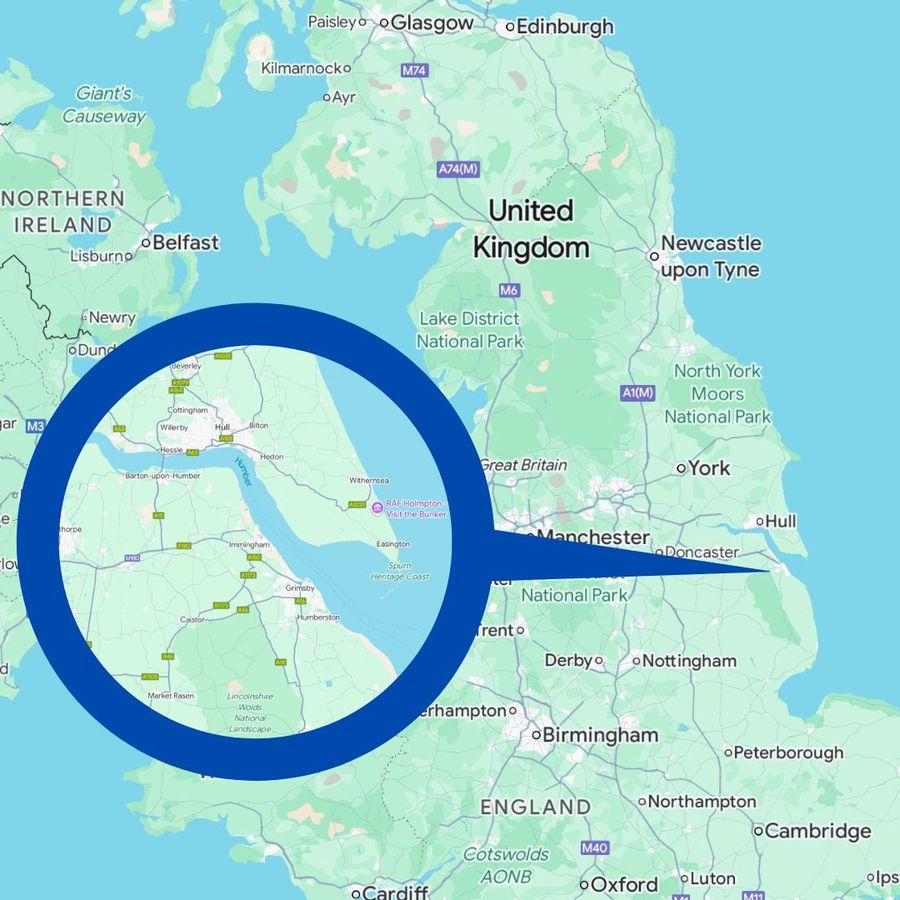
UK map with insert of Humber Estuary. Photo credit: BNZ graphic, google maps
Chain of events
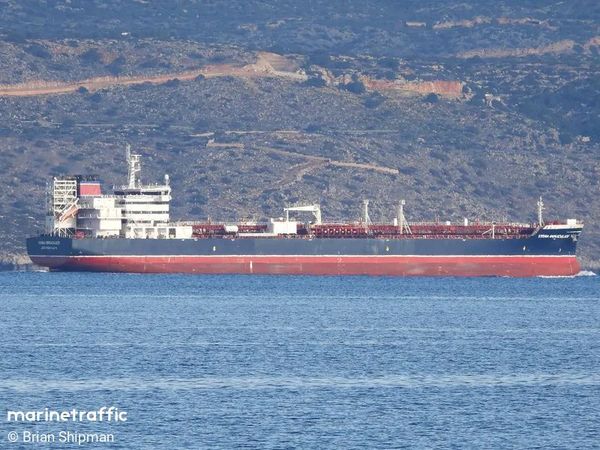
The crash involved the Solong, a Portuguese-flagged cargo vessel carrying highly toxic sodium cyanide, and the Stena Immaculate, a US-flagged oil tanker transporting jet fuel for the US military. The Stena Immaculate was reportedly at anchor when it was struck by the container ship.
Crew from both ships were brought ashore to Grimsby's North Quay where the East Midlands Ambulance Service had multiple emergency units, including its Hazardous Area Response Team, waiting.
Conflicting reports emerged regarding injuries—early reports suggested that 32 people were injured, though ambulance services later confirmed that only one individual required hospitalisation.By 5pm GMT further details emerged causing alarm amongst authorities and environmentalists; the Stena Immaculate was carrying aviation fuel for the US Department of Defense, and the Solong had 15 containers of sodium cyanide on board. With the collision now under control, focus has shifted to the potential consequences of both substances leaking into the environment.
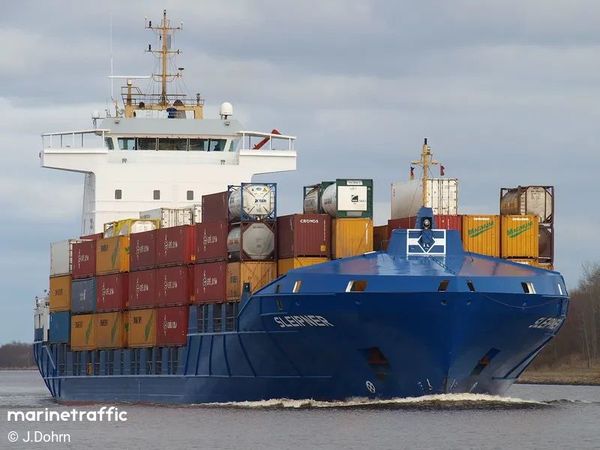
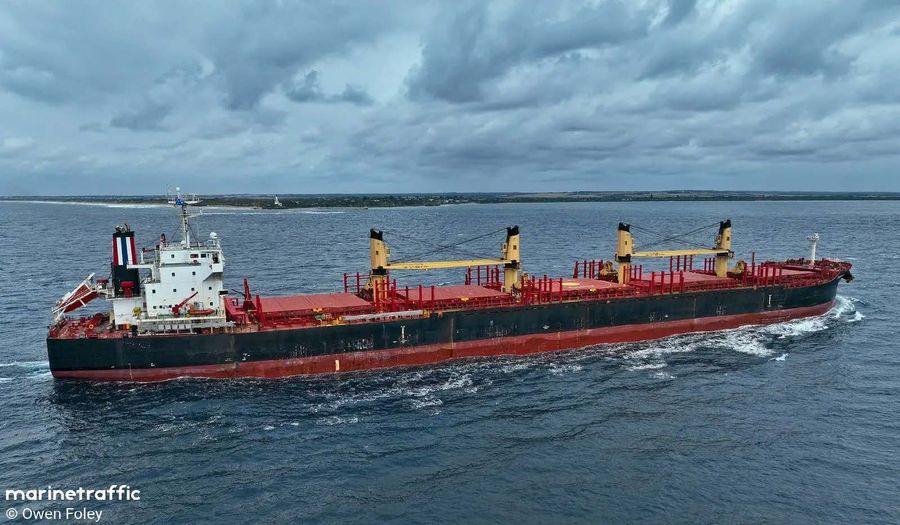
SOLONG (IMO: 9322554) is a Container Ship and is sailing under the flag of Portugal. Her length overall (LOA) is 140.6 meters and her width is 21.8 meters. Photo credit: MarineTraffic
How bad are the environmental risks?
Environmental toxicologist, Professor Alastair Hay, from Leeds University, explained to the BBC that the extent of the sodium cyanide spill remains unknown at this point. However, as we learn more and find the chemical has entered the water, it could have serious consequences for marine life and rescue workers.
“Sodium cyanide is highly soluble in water, and in contact with water there is a risk of hydrogen cyanide gas being produced, which could present a risk to any of those involved in rescue.” – Professor Alastair Hay
In the meantime, we have learned that jet fuel from the Stena Immaculate has unfortunately begun leaking into the North Sea. Who doesn't recall the heartbreaking images of the Exxon oil spillage? Humber Estuary is the home of bird colonies and Atlantic grey seals. If pollution reaches the Humber Estuary, it could pose a devastating threat to local wildlife.
Martin Slater, Yorkshire Wildlife Trust's director of operations, which is closely monitoring the situation, highlighted the potential devastation:
“If pollution spillage enters the Humber, this could be devastating for the wildlife of the estuary, including important fish stocks and tens of thousands of overwintering and migrating birds who use the mudflats.”
Investigations and emergency response
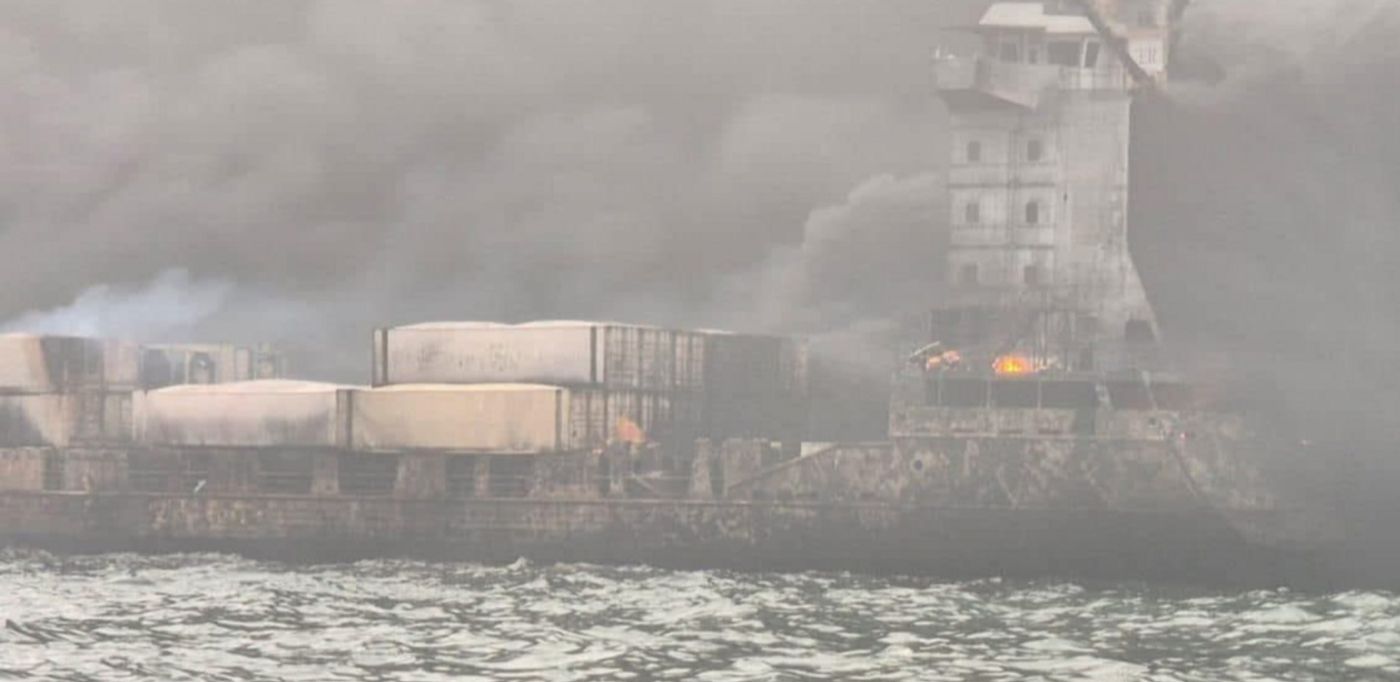
Early speculation suggests that foggy conditions may have played a role in the collision with onlookers reporting poor visibility in the area at the time of the crash.Emergency response teams—including a coastguard helicopter, a fixed-wing aircraft, and firefighting vessels—were swiftly deployed. The RNLI crews from Bridlington, Mablethorpe, and Skegness played a crucial role in evacuating crew members from both vessels.UK newspaper, The Independent, has suggest that a massive fireball was seen following the crash. While officials have not confirmed the extent of fire damage, the presence of jet fuel raises concerns over the possibility of a secondary explosion or further leaks.
What happens next?
With the situation stabilised, the focus has now shifted to damage assessment and containment. Water sampling is being conducted by the HM Coastguard to determine whether (or more importantly, how much) sodium cyanide has entered the sea. Clean-up efforts to contain the jet fuel spill have started. Environmental agencies monitoring the long-term impact on marine ecosystems.Whether the incident remains a narrowly-avoided disaster, or escalates into a full-scale environmental crisis, will be determined very shortly.Based on an article originally published by the BBC.