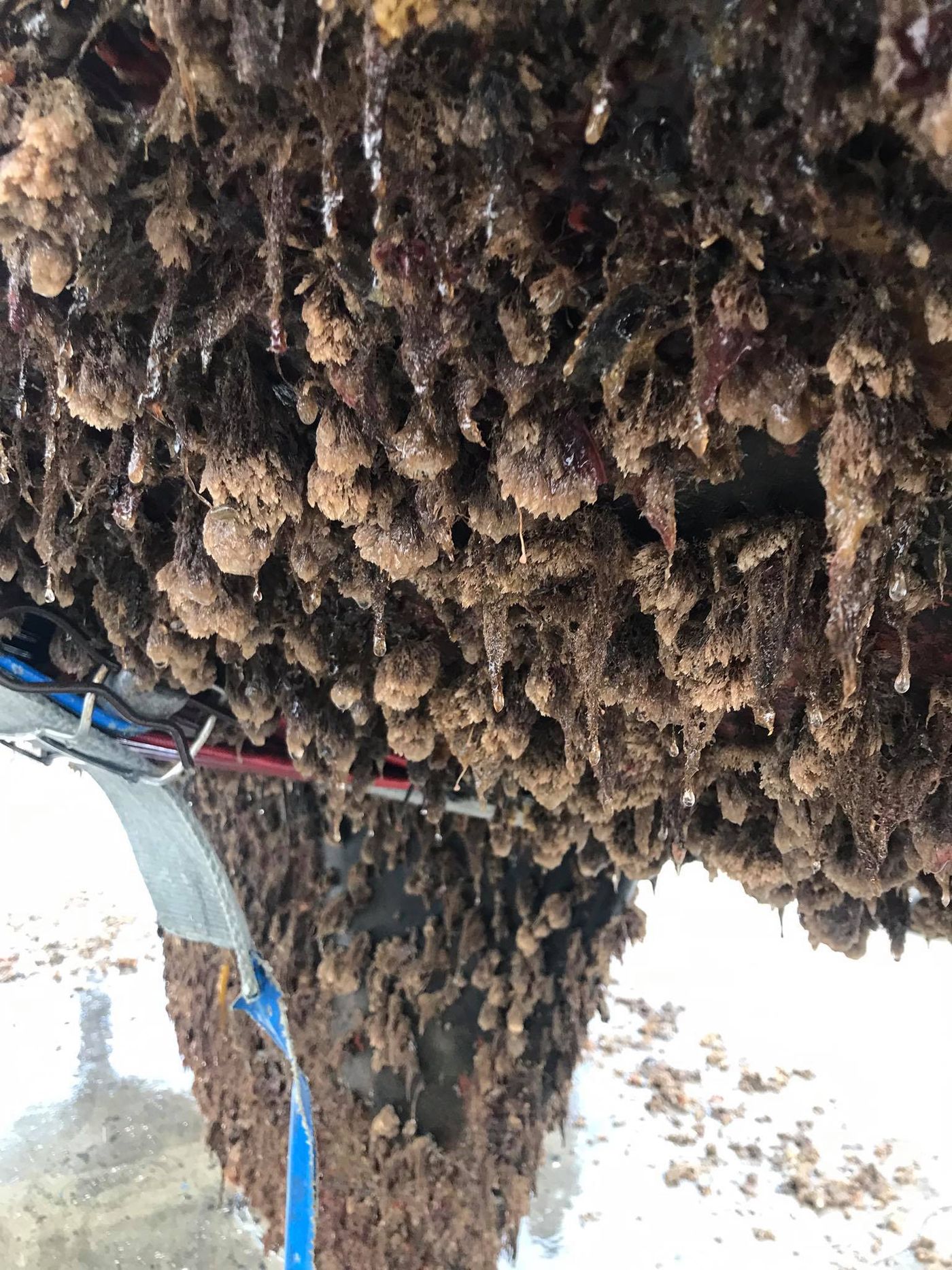
Whangapoua Harbour on the Coromandel Peninsula and Mangōnui Harbour in the Far North have both been declared free of Mediterranean fanworm after years of routine survey work. The pest reached each harbour aboard visiting vessels, but was caught early enough for divers to step in before any lasting population could take hold.
Five years without a find at Whangapoua
Trouble first surfaced at Whangapoua in August 2018, when fanworm was found on the hull of a vessel moored at the wharf. A follow-up dive in June 2020 turned up a single fanworm measuring 220 millimetres beneath the wharf structure, which was removed. Every annual dive conducted since by Waikato Regional Council, Biosecurity New Zealand, and the Bay of Plenty Regional Council has come up empty.

Waikato Regional Council marine biosecurity officer Dave Pickering credits the outcome to strong coordination between the teams involved and to acting quickly rather than waiting for the problem to spread. Under current guidance, a site is considered clear once five consecutive years have passed without a detection, and Whangapoua has now met that standard.
Mangōnui reaches the same result
Mangōnui Harbour went through a similar sequence. A routine inspection in 2020 turned up fanworm on the hull of a moored vessel. The boat was hauled out and cleaned, and several fanworm were removed from the seabed during the same operation. Every survey carried out at the harbour since that point has returned a clean result.
Biosecurity staff point to Mangōnui as further evidence that prompt reporting and consistent hull maintenance change the outcome. Intercepting fanworm at the outset makes eradication a realistic goal rather than an open-ended management burden.

Why hull hygiene is the frontline defence
In both cases the source was the same: a visiting boat with the pest attached to its hull. Hull cleanliness remains the most practical tool available to recreational boaties. Biofouling begins as little more than a thin film on underwater surfaces and builds steadily the longer a vessel sits in the water. Given enough time, it can restrict cooling-system flow, cut boat speed, push up fuel consumption, and shorten the working life of fittings and underwater gear. It also provides a pathway for moving pest species between regions, where they can cause serious harm to rocky reef ecosystems and commercial shellfish operations.
Most marinas and regional councils require arriving vessels to be at Level of Fouling (LoF) 2 or below, meaning only light slime or minor patches of growth are present. Any boat presenting at a higher fouling level, or found to be carrying a recognised pest species, risks being turned away or required to clean up before it is allowed to proceed.
What skippers can do
- Keep your hull clean and your antifoul fresh - Check local rules before entering a new harbour - Inspect your anchors, warp and cooling systems as well as the hull - Ask for professional help if you suspect you have pest species aboard
The declarations at Whangapoua and Mangōnui reflect years of sustained monitoring and fast action when it counted. Holding both harbours in fanworm-free condition from here will depend on boaties treating clean hulls and careful gear checks as routine rather than an occasional afterthought.