More than 99 percent of the sailboats currently on the water are powered by diesel engines. For a sport so deeply associated with the wind, that number is sobering, yet even the most experienced bluewater sailors rely on internal combustion to get in and out of harbour, to push through calms, and to keep the lights and instruments running below decks. Two of sailing's biggest manufacturing groups have decided to confront that contradiction directly, and for New Zealand sailors, the implications could come into focus sooner than most would expect.
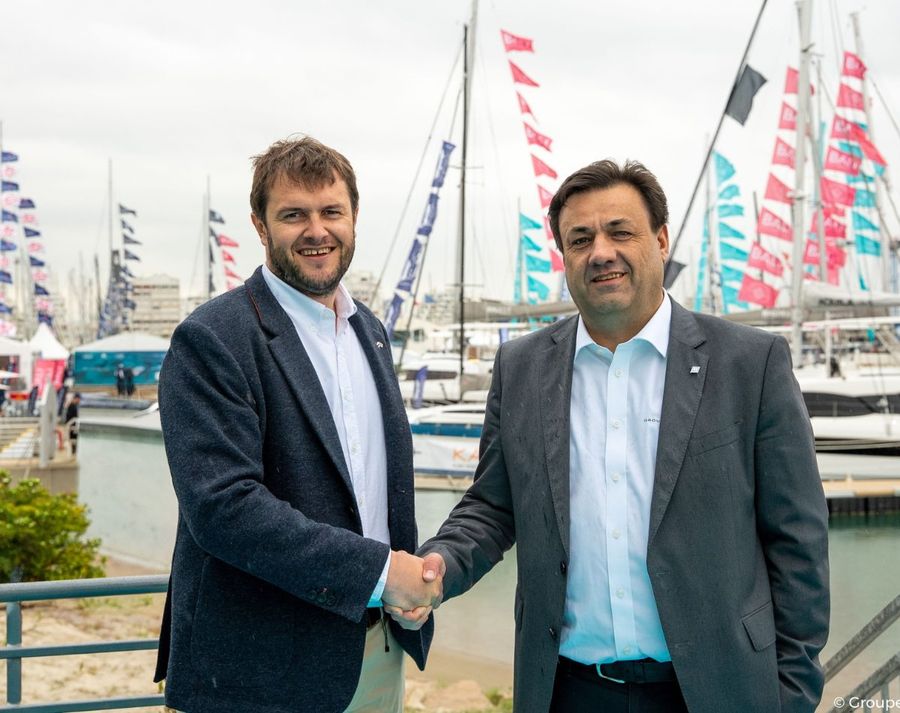
On 22 April, Groupe Beneteau and Fountaine Pajot Group announced the creation of E-LEKTRA MARINE, a 50/50 joint venture devoted entirely to electric propulsion and intelligent onboard energy management. The new entity brings together seven well-known sailing brands under one platform: Beneteau, Jeanneau, Lagoon, Excess, Fountaine Pajot Sailing Catamarans, Fountaine Pajot Yachts, and Dufour. Between them, those brands hold around 60 percent of the global sailing market, giving E-LEKTRA MARINE a starting footprint that few new ventures in any industry could match.
The alliance has set itself a concrete objective: to electrify between 10 and 15 percent of the global sailing market by 2030, a figure that translates to several hundred boats each year.
What makes this more than a simple engine-swap programme is the ambition of the problem the venture is attempting to solve. E-LEKTRA MARINE frames the sailing world as an especially demanding chapter in the broader energy transition, one that combines the propulsion challenges familiar from the automotive industry with the self-sufficiency demands of living off-grid. A battery-powered car can stop at a charger whenever its range runs low. A sailboat at sea has no such option. It must generate, store, and manage its own energy continuously, balancing solar input against battery reserves, generator output, propulsion draw, and the comfort systems below, often without any contact with shore power for days on end.
The joint venture's scope reflects that complexity. E-LEKTRA MARINE will develop standardised electric propulsion and energy management systems for sailboats ranging from 9 to 24 metres, covering fully electric configurations as well as both low-voltage and high-voltage hybrid arrangements. The programme also includes a retrofit pathway for owners of existing vessels, real-time consumption monitoring, and the establishment of a worldwide network of approved service partners.
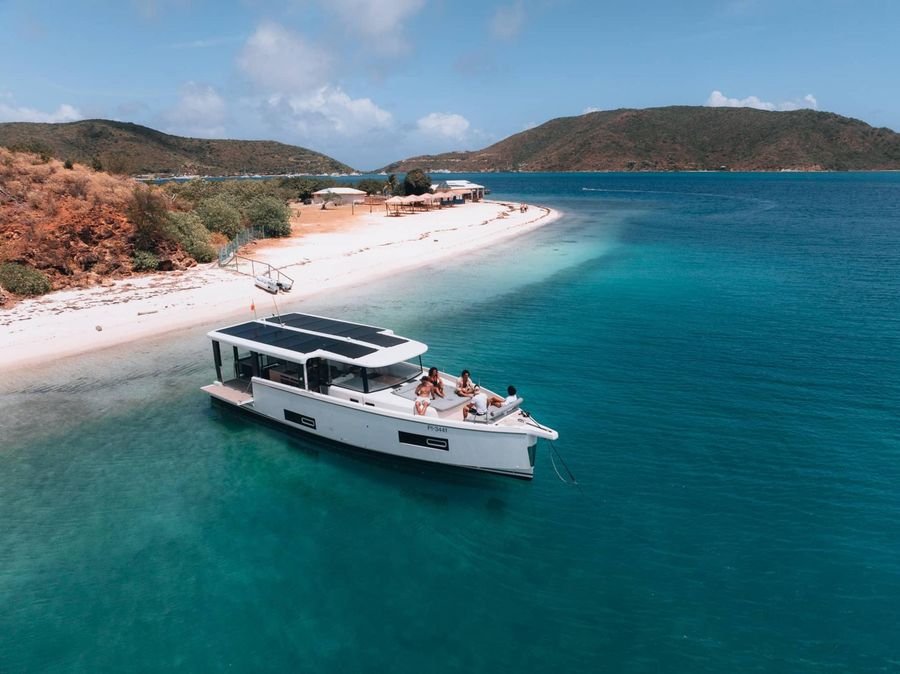
Neither founding group is coming to this work without a track record. Groupe Beneteau has offered low-voltage electric solutions on sailboats up to 12 metres for some years already, and has extended its hybrid range to include models such as the Excess 11 and the Jeanneau Sealoft 480. Fountaine Pajot has been equipping its larger catamarans with high-voltage hybrid systems, with the Aura 51 and the Samana 59 representing its first established electric references. E-LEKTRA MARINE draws both of those separate development programmes into a unified platform that will also be made available to the broader boating industry.
Technical support for the venture comes from three specialist firms: Alternatives Energies of La Rochelle, which focuses on electric systems integration; Cirtem of Toulouse, an expert in energy conversion and management; and EVE System of Lyon, which specialises in battery pack design.
For sailors in New Zealand, this is not simply a story unfolding somewhere on the other side of the world. Four of the seven E-LEKTRA MARINE brands are already represented by dealers in this country. Auckland-based 36 Degrees handles Beneteau, Lagoon, and Excess, including the Excess 11 hybrid that features in the joint venture announcement. Orakei Marine, also in Auckland, is the local representative for Jeanneau, whose Sealoft 480 is another model already on offer with hybrid propulsion. A significant slice of the New Zealand sailing market therefore has direct access to the brands now leading this push toward electrification.
Bruno Thivoyon, Chairman of the Management Board at Groupe Beneteau, described the venture as an effort to establish open standards and make low-emission solutions simpler, more accessible, and scalable. Mathieu Fountaine, Deputy CEO of Fountaine Pajot, said electrification is becoming essential and must now be made accessible across the entire sailing market.
The underlying commercial argument for E-LEKTRA MARINE rests on the logic of scale. By combining the production volumes of seven major brands, the venture is aiming for the kind of industrial output needed to bring electric and hybrid systems into genuine price competition with diesel. Whether the 2030 targets prove achievable will depend on how quickly both the technology and the market move, but the direction is clearly fixed. The vessels arriving on New Zealand shores in the years ahead are increasingly likely to reflect it.