Twenty-two years is a long time to carry a goal. When the 2026 Sydney to Hobart fleet gathers on the start line, Nick Roberts will be there as owner and skipper, bringing to a head an ambition he has held for the better part of his sailing life.
The Auckland-based sailor is approaching the race the way he approaches everything offshore: methodically, with purpose at every stage. His campaign spans five events across New Zealand and Australia: the Three Kings Race, the Coastal Classic, the Cabbage Tree Island Race, the Bird Island Race, and the Sydney to Hobart itself. Each race earns its place in the programme as preparation for the one that follows.
"This campaign is about building toward something that's been a long-standing personal goal," Roberts says. "To complete my tenth Sydney to Hobart, and to do it as owner and skipper."
The story behind that goal begins earlier than most people would guess. Roberts has been on the water since infancy, shaped by a father who took him sailing before he could walk. "I've been sailing for 52 years," he says. "My dad first took me out when I was two, strapped into a car seat in a leaking wooden Bluebird on Sydney Harbour."
Childhood years passed in windsurfing and dinghy sailing at Balmoral Sailing Club. Then, at thirteen, he watched the Sydney to Hobart start on television and something took hold. "I remember seeing the maxi yachts launching out of waves, the bowmen working the foredeck, and thinking: that will be me one day."
Four years later, it was. Barely out of school at seventeen, he stood on that very start line. Nine races followed over the years that came after, the last of them in 2004. Now, more than two decades on, he is going back with his name on the boat.
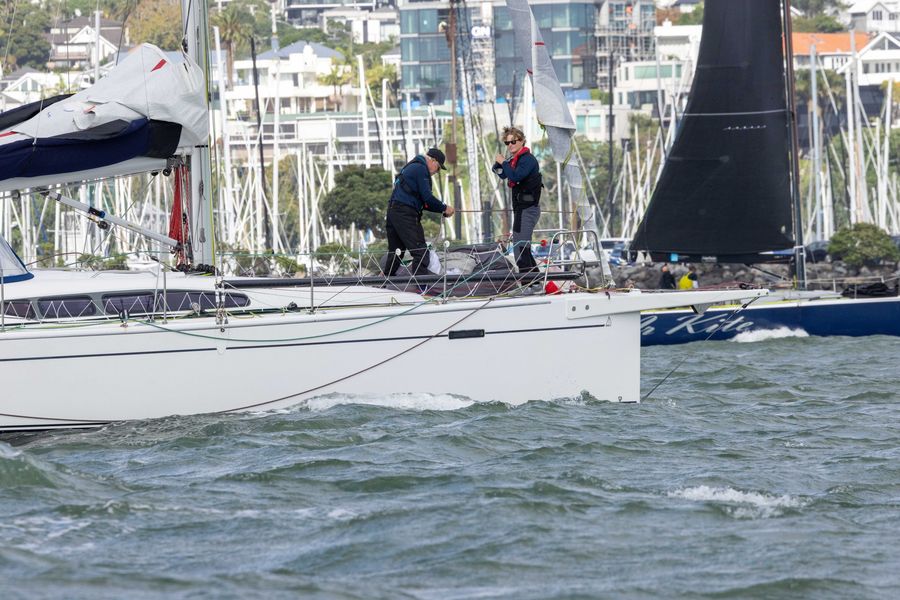
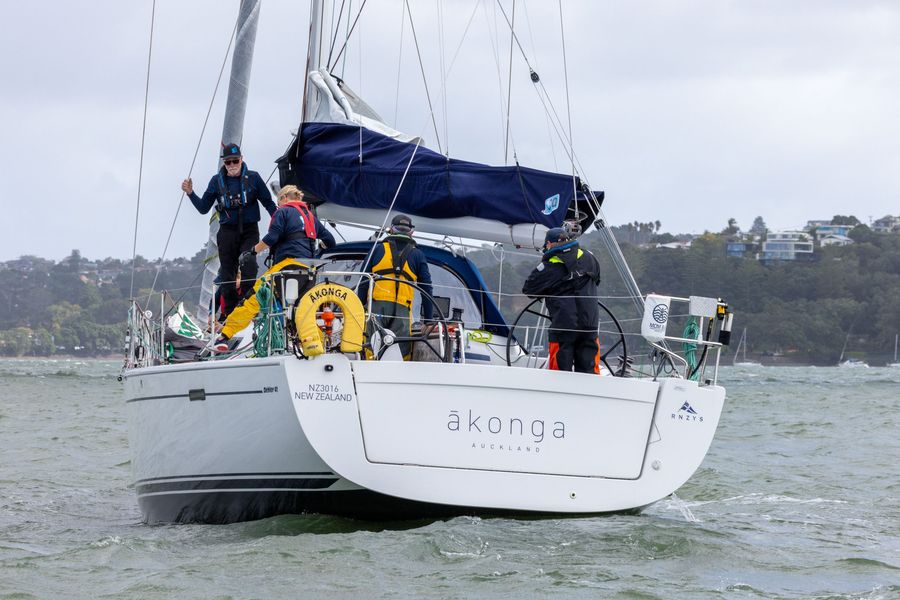
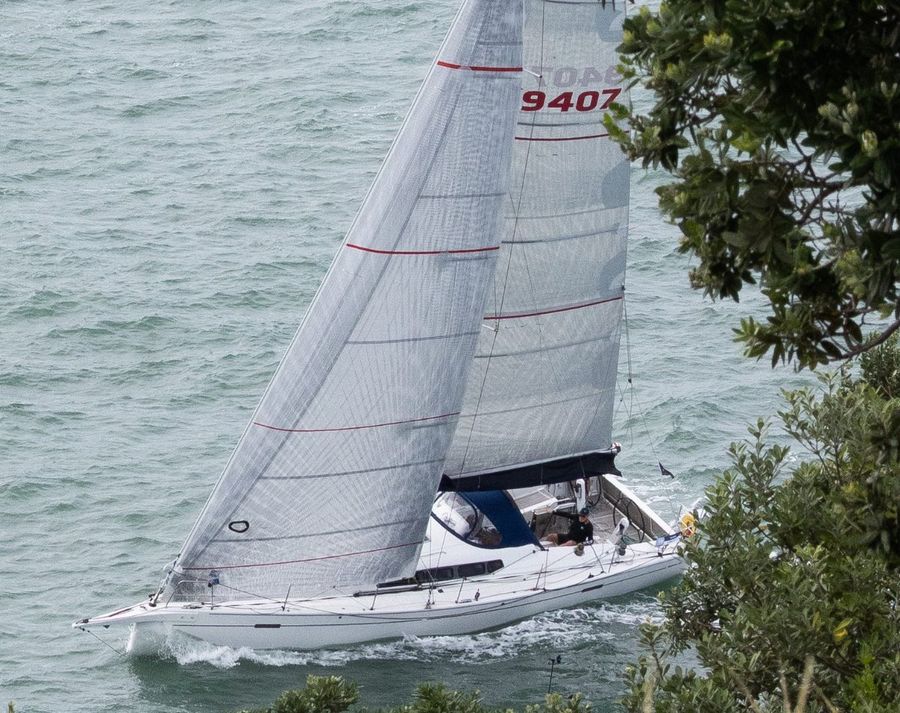
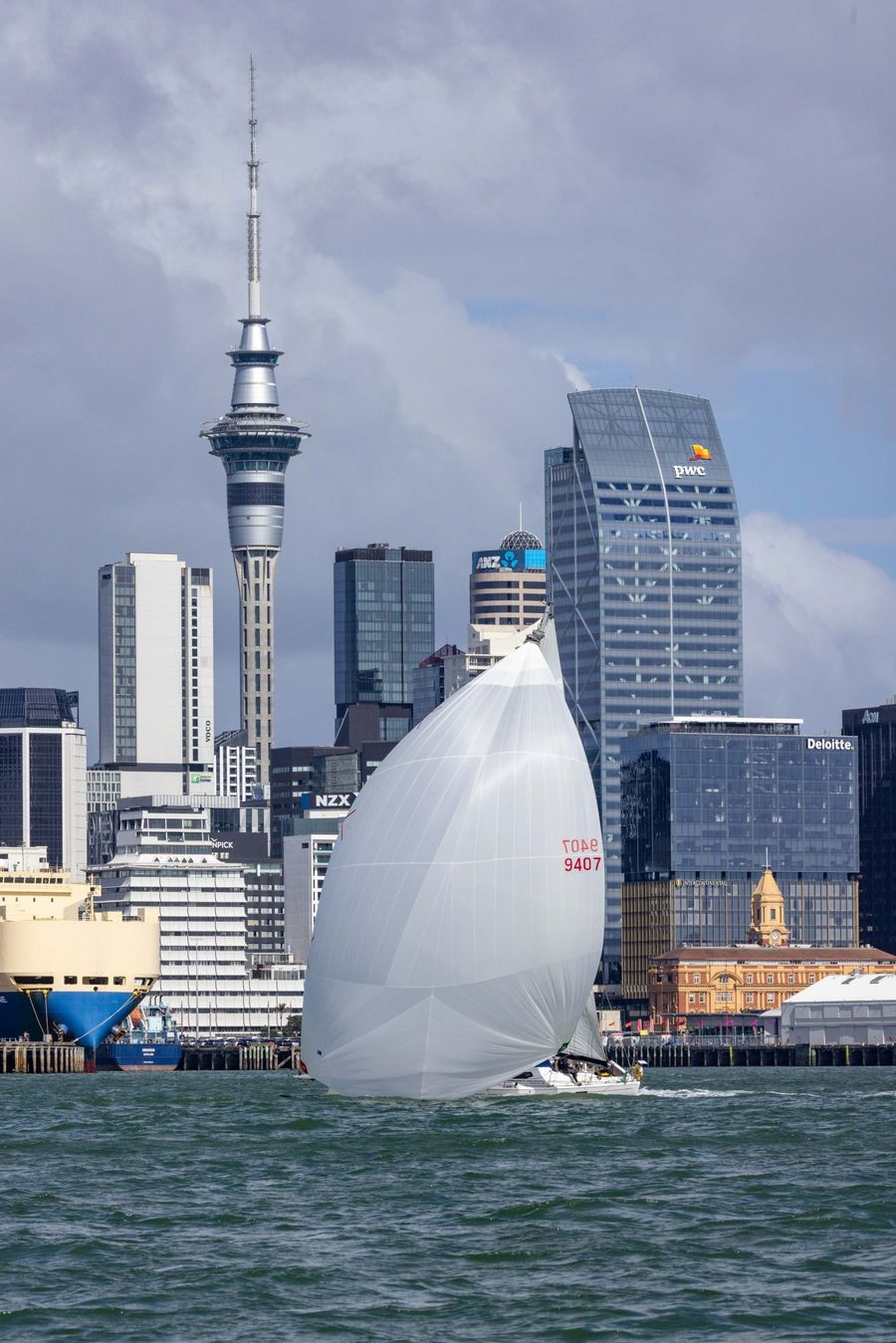
The yacht at the centre of the campaign is Ākonga, a Dehler 41 cruiser-racer drawn by Judel/Vrolijk. Roberts has owned her since 2022 and has spent the intervening years building a deep familiarity with how she moves and what she needs. A solo passage through Fiji and New Caledonia, a first place in the Two-Handed Division of the Three Kings Race in 2024, and a programme of short-handed offshore racing including the Northern Triangle and the 2026 Round North Island Race have all contributed to that knowledge. None of it is accidental. Understanding the boat is part of the plan.
The crew Roberts has assembled reflects the same careful thinking. Long-time two-handed partner Max Livingstone brings tens of thousands of offshore miles and the kind of composure that comes only from time at sea. Navigator Andrew Hall of Sail IQ adds international short-handed experience alongside an intimate familiarity with Ākonga's sails. On the bow is Ryan Mills, who will be making his Sydney to Hobart debut.
That appointment carries particular weight for Roberts. "It's a full-circle moment," he says. "I still remember the trust and opportunity I was given when I did my first Hobart. To now offer that to Ryan, it's pretty special. As two-handed sailors we do everything, including the bow. Having a specialist bowman on board is a bit of a luxury."
The team is still searching for a fifth crew member, someone who can perform at race pace and fit naturally within the group.
"We're not professionals," Roberts says. "But we're committed sailors with broad experience. We trust each other, we focus on safety and seamanship, and we make sure we're enjoying it."
The short-handed miles the team has accumulated have done more than fill the logbook. Roberts believes they have built a collective sharpness that will matter when conditions turn demanding. "We've done a lot of miles short-handed in very competitive fleets," he says. "To now bring that experience together as a team and take on this race, it's exciting. We're targeting the cruiser-racer division. That's where this boat belongs, and we think we can be competitive there."
Nine starts and a lifetime of offshore racing give Roberts a clear-eyed sense of what the Sydney to Hobart actually demands. Routing, strategy, positional decisions: these all play their part, right up until the moment conditions strip everything back to something far more immediate.
"At 3am in Bass Strait, you're not thinking about results. You're thinking about the next wave, the next decision, and looking after your crew. The thing people don't understand about the Sydney to Hobart is that it's not just a race. It's a test of judgement."
His measure of success reflects exactly that. A placing is not what he is after. "Success for us is lining up, executing our plan, and finishing the race proud of how we sailed and how we worked as a team."
At some point in the small hours, with Bass Strait pushing hard beneath Ākonga's hull, everything Roberts has worked toward will narrow to something immediate and uncomplicated. A tenth start. A crew chosen with care. A boat he knows as well as any he has sailed. A goal that has been waiting more than twenty years to be reached.