Twenty-seven minutes. That was the margin separating the top four boats after 5,480 kilometres of open ocean, a finish so tight it would have made a dinghy race blush, let alone a transatlantic crossing.
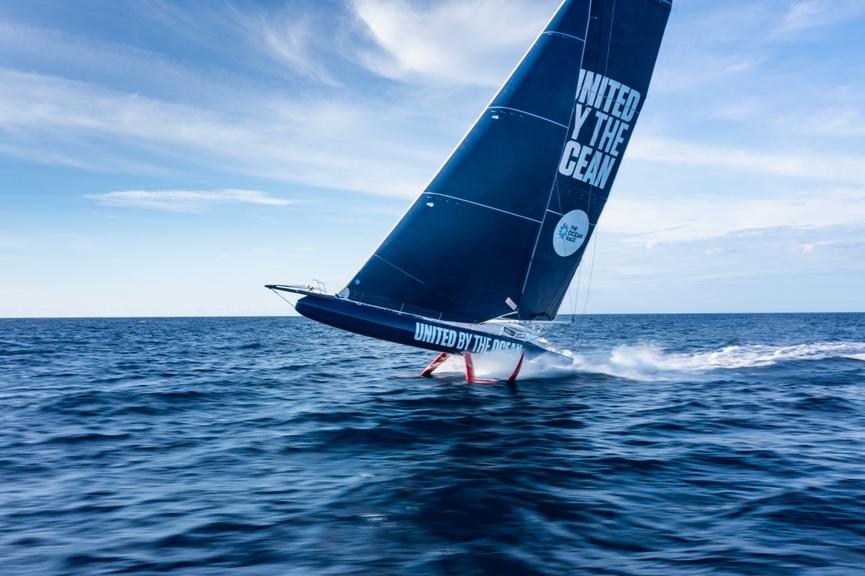
Ten days after leaving New York, Paul Meilhat was still crouched on the deck of United by the Ocean, fielding questions from the media in Lorient. Someone asked him to sum up the race.
"Oh wow... that's going to take a while!" he said, grinning.
Fair enough. The Ocean Race Atlantic packed more drama into ten days than most events manage in a month, and it marked a genuine first for a competition now in its 53rd year: a point to point transatlantic race, run from New York to Lorient, France.
There were plenty of other firsts too. The first IMOCA race with fully mixed-gender crews. A new daily "Super Sprint" format. Live OnBoard shows and round the clock deck camera streaming gave fans a view of the fleet that simply didn't exist before.
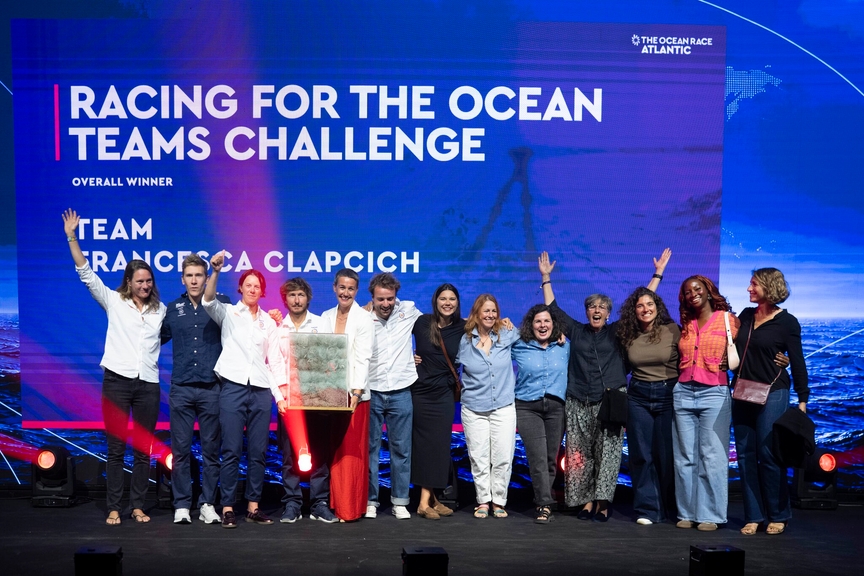
But it was the racing itself that made headlines. Two brand new IMOCAs made their competitive debut, and a new prize, the Racing for the Ocean Teams Challenge, was claimed overall by Team Francesca Clapcich powered by 11th Hour Racing.
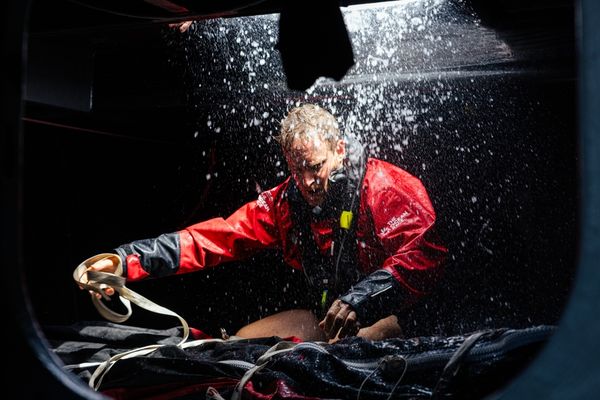
Back on the pontoons, the mood was light. Relief, mostly. The skippers wore it in their faces: dark circles under the eyes, hands raw from hours on wet, salt-crusted lines, backs hunched from days folded into a boat that never stopped moving.
Ten days earlier, the six boats had lain moored at Brooklyn Bridge Marina, New York, in what Meilhat called an unforgettable send-off. "When we arrived in New York, we all had a big smile on our faces," he said. "You can't go there and not feel the energy!"
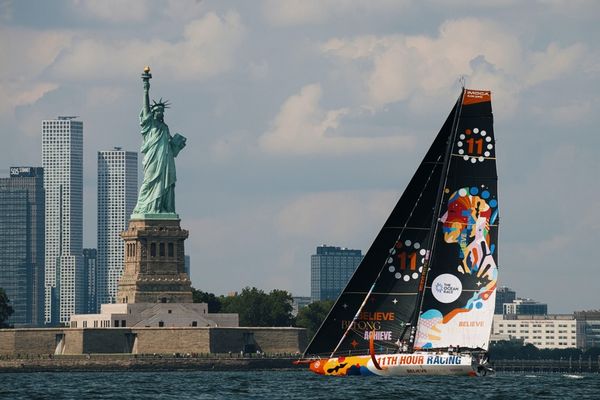
The fleet departed on Tuesday, September 1, sailing past the Statue of Liberty and under the Verrazzano Bridge before a virtual starting line 150 miles offshore, set deliberately clear of marine mammal habitats. Oliver Heer of Embrace the Challenge admitted it felt odd. "It's a bit unique to be starting the race offshore," he said. Winds built to near 20 knots almost immediately, and Team Malizia led a tightly bunched fleet through a surprisingly warm first night, courtesy of the Gulf Stream.
Then things got difficult.
A new weather system barrelled through, pushing boats and sailors hard. DMG MORI Global One suffered an electronic blackout. MSIG Europe had furling trouble. Even the leaders weren't spared: a ballast leak and a foil impact hit Boris Herrmann's team, while part of the mainsail tore away aboard Embrace the Challenge.
"The sea state was terrible, and the angle of the waves made everything incredibly painful," said Francesca Clapcich from on board 11th Hour Racing. "It demanded more mental energy than physical energy."
Nicolas Lunven of DMG MORI Global One described easing the sheets just to stop the boat crashing violently off the waves. Sleep, by most accounts, barely happened.
Then the weather eased, and the race reset almost from scratch as a high-pressure system slowed the leaders. Four boats were suddenly back in contention: Malizia to the north, United by the Ocean and 11th Hour Racing in the middle, DMG MORI Global One further south. The gap between them shrank from 50 miles to 30, then to just 10 as the finish approached.
Will Harris of 11th Hour Racing described the tension of the final call. "That morning, we had two options: anticipate a shift in the wind to the right, or keep going straight and hope the wind stayed favourable. But the wind changed direction after United by the Ocean went through."
Meilhat's crew held on to win by the finest of margins.
Curiously, it was the two older-generation IMOCAs that finished first and second, ahead of the newer DMG MORI Global One, a Verdier design, in third, and Team Malizia, a Koch design, in fourth. Meilhat wasn't dismissive of the newer boats, though. "They're boats with huge potential. I think they'll finish more races at the front than at the back."
Those same two newer boats were the fastest in the daily Super Sprint. Malizia won it on four occasions and took the overall honours, with DMG MORI Global One finishing second four times.
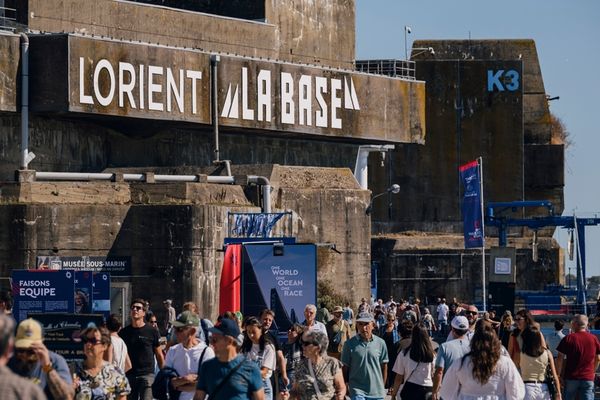
Ashore, Lorient threw itself into the event. The Ocean Live Park at La Base ran exhibitions, talks, documentary screenings and a Sailorz Film Festival evening, drawing crowds of all ages from September 9 to 13. More than 2,000 children took part in educational and STEM programmes, including beach clean-ups organised with Surfrider. Nearly 60 local businesses and more than 20 associations and NGOs pitched in, and delegations from future host cities, including Alicante deputy mayor Antonio Péral, made the trip.
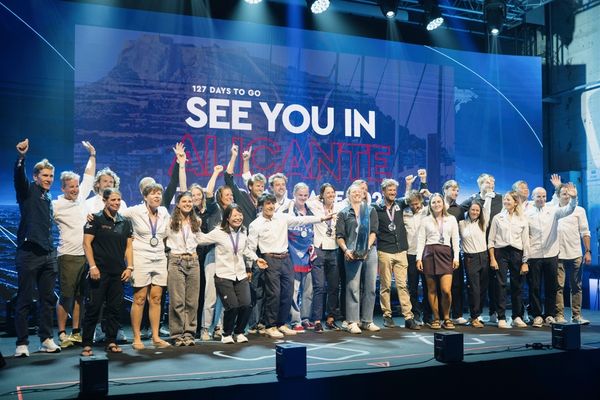
Attention now turns to Alicante, Spain, where the fleet reassembles on 17 January 2027 for the start of The Ocean Race around the world. On this evidence, it can't come soon enough.