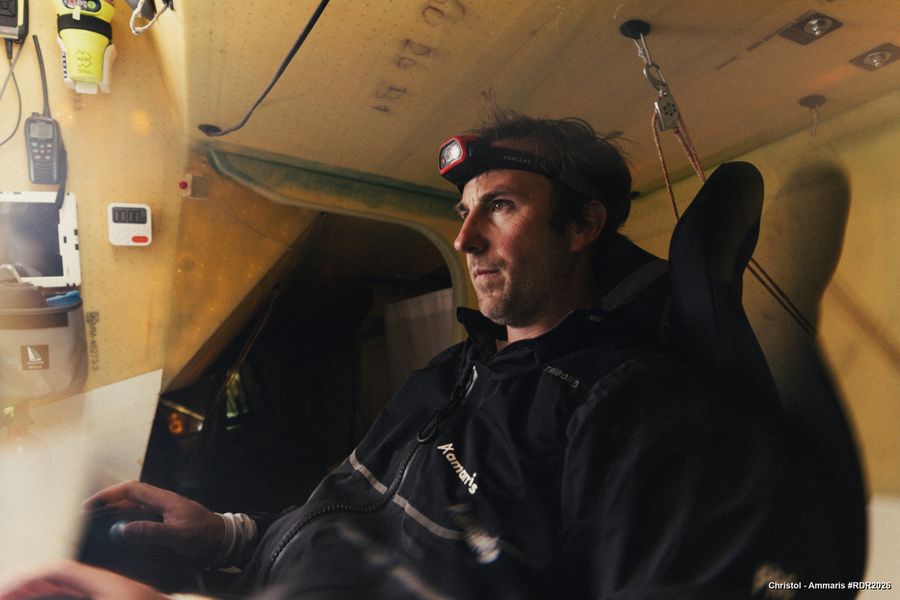
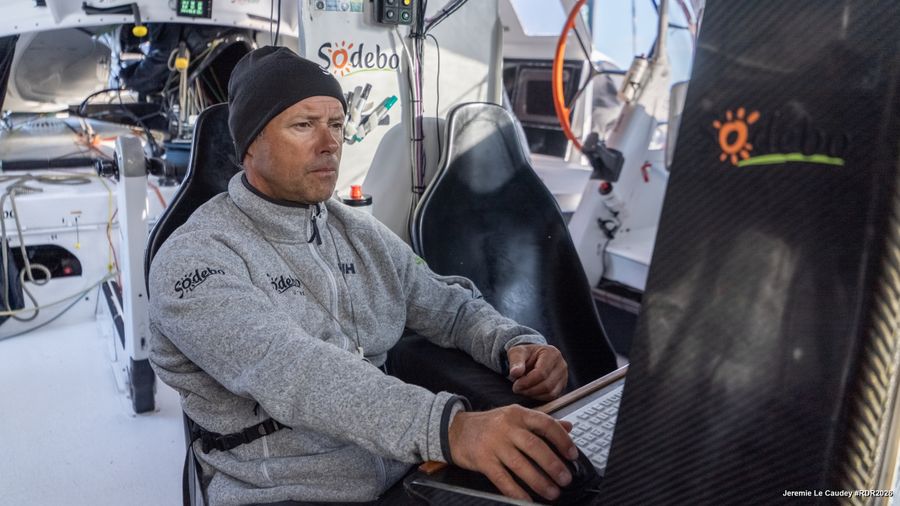
Thomas Coville has spent close to 12 hours battling a massive storm cell, in conditions he describes as some of the most testing he has faced at sea.
Lightning, erratic winds and an atmosphere charged with electricity made for a fraught passage. Aboard his giant trimaran, the French skipper navigated under serious pressure, a stark reminder of just how violent the ocean can turn during solo offshore racing.
The cell proved relentless. For hours Coville had no real let-up, forced to manage sudden wind shifts while lightning flashed around the boat.
Conditions like these test more than hull and rigging. They test the sailor.
Electrical storms at sea carry a particular danger for solo racers. There is no crew to share the watch, no one to hand over to when fatigue sets in, and no real shelter from what the sky throws down.
Coville's account offers a rare window into just how exposed these sailors are out there, alone on an Ultim-class giant, with weather systems that can turn in moments.
It is the kind of ordeal that rarely makes the official results sheet, but shapes a race nonetheless.
For New Zealand followers of the Route du Rhum, episodes like this explain why the Ultim and IMOCA classes draw such respect from Kiwi sailors and designers who have long worked in French ocean racing circles. The margins in these boats are unforgiving, and stretches like Coville's show what solo sailors absorb far from any shore.
No further details were given on Coville's position or race standing.
Over nearly half a day of sustained exposure to lightning and shifting wind, such conditions take a toll, physically and mentally, that no results sheet can capture.