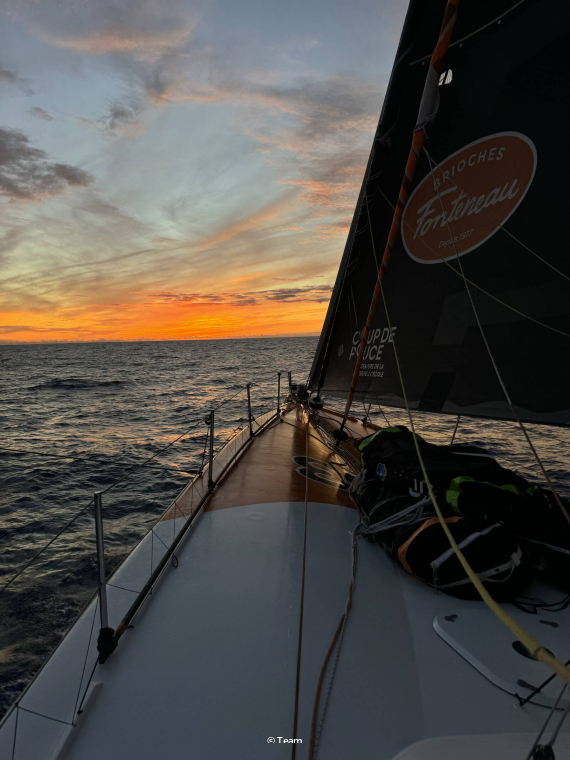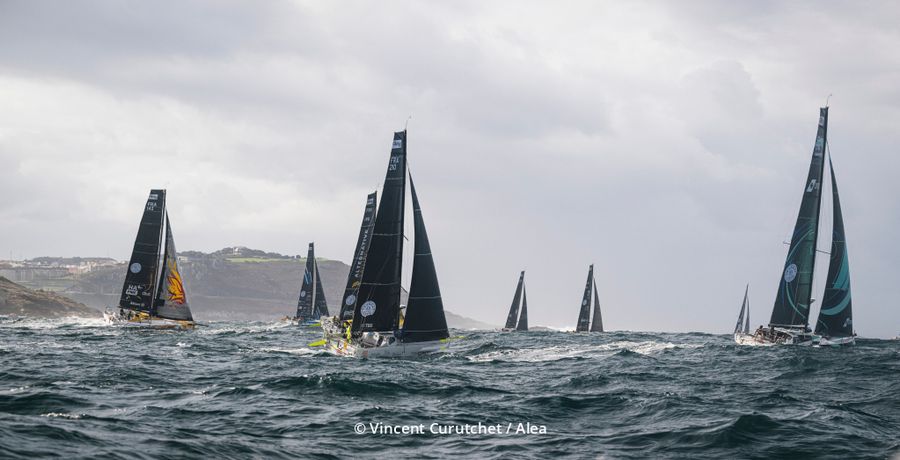
Three days of sheltering from an Atlantic storm ended at midday on 1 November when the Class 40 fleet put La Coruña behind them. Sunshine and a northerly breeze of 12–15 knots met the sailors at the start line, flat water making it difficult to imagine the violence that had brought the race to a halt just days before.
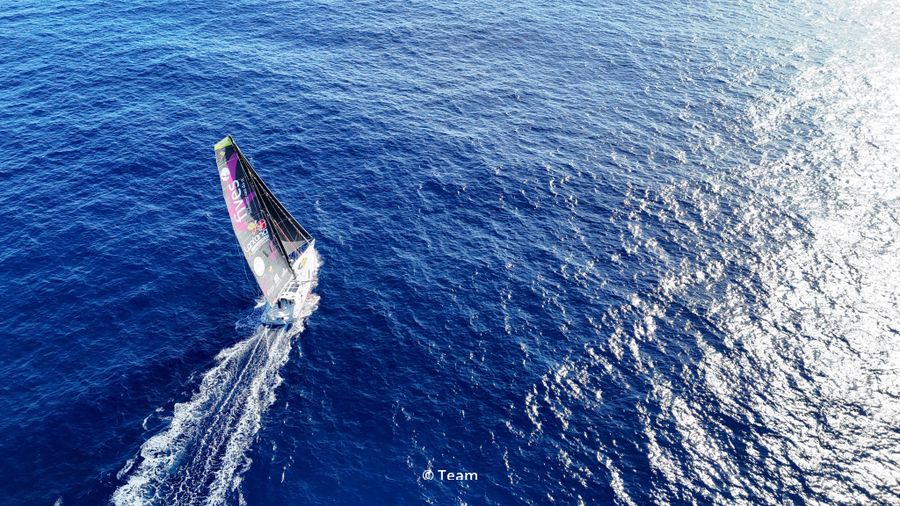
Corentin Douguet and Axel Tréhin, leading the Class 40 standings aboard SNSM Faites un don!, were first across the line, with Guillaume Pirouelle and Cédric Château on Seafrigo-Sogestran close behind. David Sineau and Erwan Le Mené on Edenred 40 rounded out the front trio, and the remaining 37 boats cleared the Spanish coast in bright conditions, all of them bound for open water.
Race director Francis Le Goff summed up the mood on the docks before the gun. "The atmosphere on the pontoons this morning was electric," he said. "Everyone wanted to get moving again, but there's huge respect for the sea after what's just passed."
For many crews, those three days in port had become an improvised refit. Autopilots had failed, sails had split, and electronics had succumbed to the heavy weather. Local volunteers and the port's round-the-clock support operation made repairs possible before racing resumed.
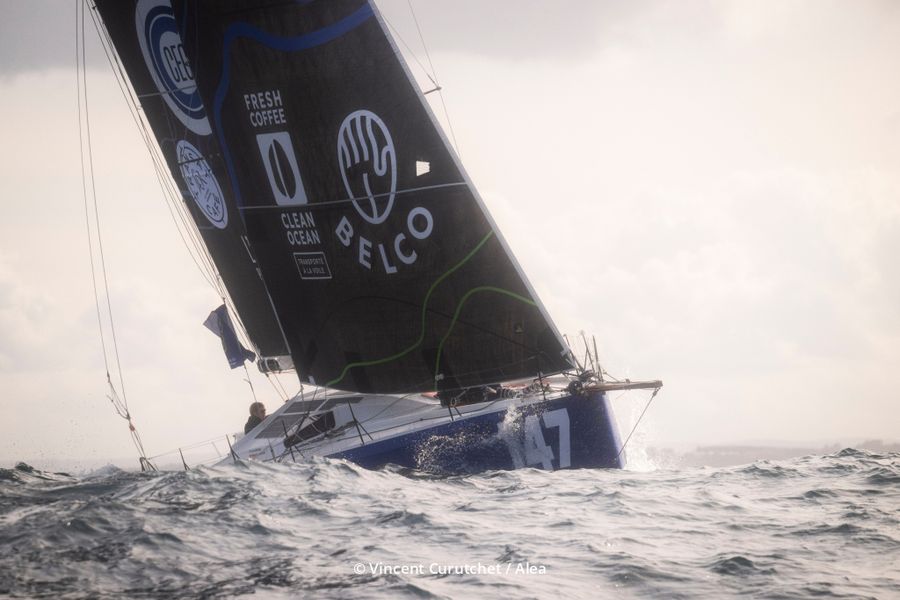
Once clear of the Spanish coast, tactical decisions began diverging almost straight away. A smaller group pushed north to work around the edge of a Portuguese high, while the majority angled south toward the Canaries in search of the rebuilding trade winds. Early weather models pointed to the southern route paying off first.
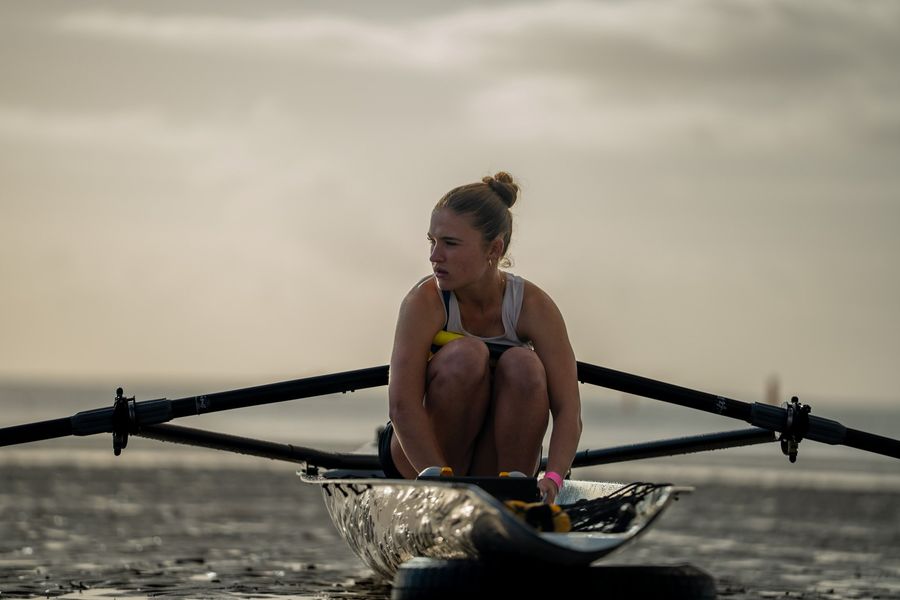
Among those committed to the southerly track is the all-female Irish crew of Pam Lee and Catherine Hunt aboard EmpoHer, one of the most closely watched entries in the fleet. New Zealander Conrad Colman, competing in the IMOCA class, was already south of Madeira by the time the restart took place.
In the IMOCA 60 class, Charal and MACIF Santé Prévoyance remain locked in a close contest just west of the Canaries, with TeamWork – Team SNEF tracking nearby. Jérémie Beyou, sailing Charal, is keeping his expectations in check. "It's all about staying patient," he said. "We've got the trade-wind tunnel ahead, but one squall can change everything."
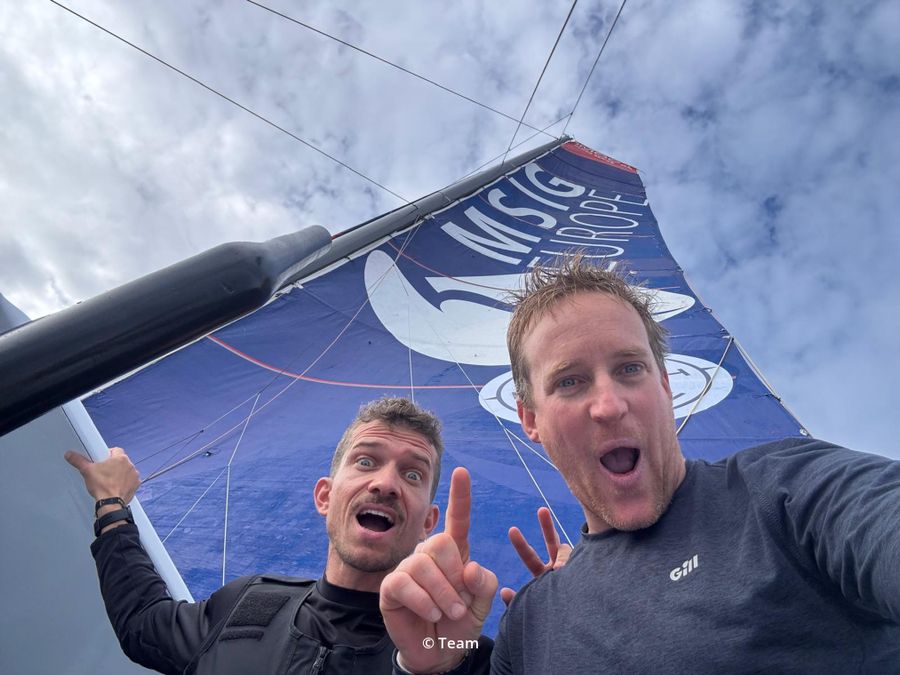
Colman's MSIG Europe sits in mid-fleet but within striking distance of the leading group. The conservative sail choices he made during the opening storm, which cost him positions at the time, now look well-judged as rival crews deal with the fallout from damage sustained in those early conditions.
[embed]
Further down the course, the Ocean Fiftys are powering south of Cape Verde. Edenred 5 has built a comfortable lead in that class, while at the front of the race the ULTIM trimarans are closing on the Doldrums. SVR Lazartigue holds command overall, though Banque Populaire XI and Sodebo Ultim 3 sit within 150 miles, a margin that a single favourable squall line could erase quickly.
The outlook from here follows a familiar Atlantic pattern: steady trade-wind miles, tactical squall management, and thousands of kilometres of open-ocean sailing. By Monday the Class 40 fleet should be crossing the latitude of Madeira, the IMOCAs will be turning their attention toward Cape Verde, and the ULTIMs may already be testing the edges of the equatorial calm zone.
After the delays and enforced patience of the La Coruña stopover, the Transat Café L'OR is properly racing at last.