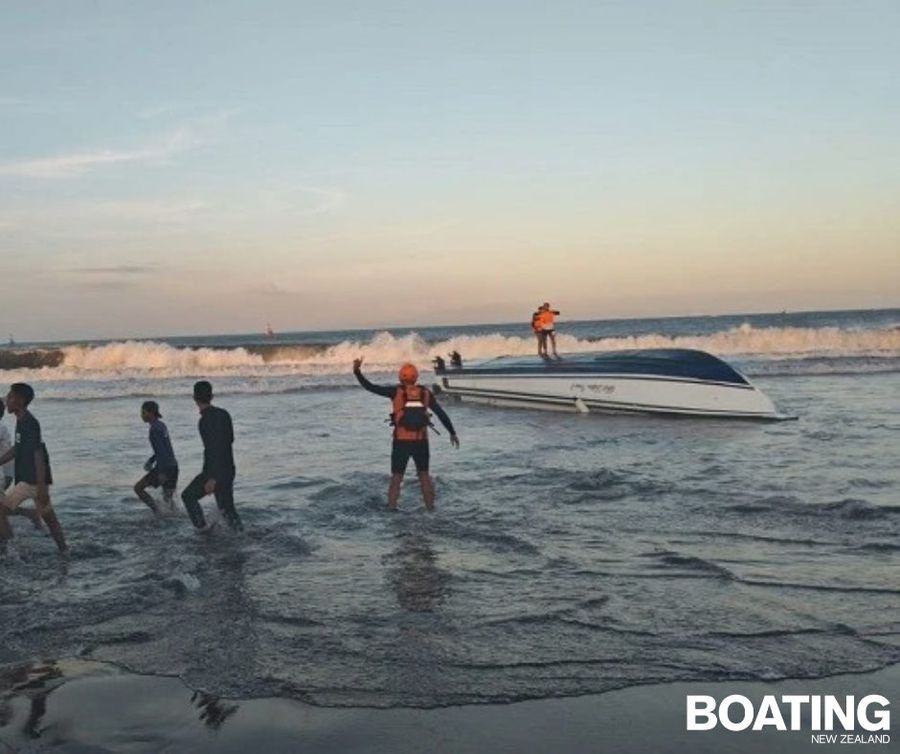
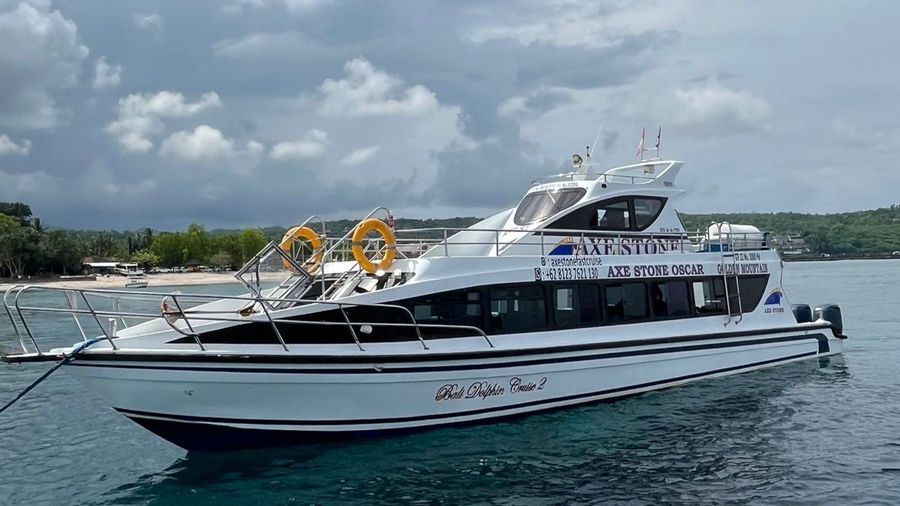
A relaxing Bali holiday turned into a life-and-death emergency on Monday 5 August, when a fast ferry operated by Dolphin Fast Cruise capsized in rough seas off Nusa Penida. The catamaran was just 100 metres from Sanur Harbour when a large wave rolled and flipped it.
Eyewitness footage and photographs circulated by local media and reported by 7News Australia captured the scene: dozens of passengers in the water while Balinese fishermen, surfers, and onlookers rushed to help. Around 80 people were on board, among them five Australians, all of whom survived according to news.com.au.
View this post on Instagram A post shared by pejeng_mecande (@pejeng_mecande)
Two Chinese nationals lost their lives, and one Indonesian crew member remains missing. Indonesian SAR teams, responsible for coordinating and conducting search and rescue operations throughout the Indonesian archipelago, confirmed 14 people were taken to hospital, some with serious injuries.
The capsizing has renewed scrutiny of Bali's fast boat operators, which service popular island destinations including Nusa Lembongan, Nusa Penida, and the Gili Islands. These routes are common holiday choices for both New Zealand and Australian travellers.
The August incident was not the first such disaster in recent months. On 2 July 2025, barely a month earlier, the vehicle ferry KMP Tunu Pratama Jaya sank in the Bali Strait while travelling from Ketapang in East Java to Gilimanuk in West Bali. KMP Tunu Pratama Jaya was a standard RoRo ferry carrying passengers and cargo vehicles, with no connection to the tourist trade. Water began flooding the engine room, all power was lost, and the vessel drifted helplessly before capsizing and going under.
Of the 65 people aboard, 31 were rescued alive. Eighteen bodies were subsequently recovered, and up to 16 others are presumed lost. Search teams deployed divers, aerial drones, and boats to comb the area, but strong currents and limited visibility hampered efforts considerably. Indonesian investigators have pointed to cargo instability, inadequate bilge management, and a slow emergency response as likely contributing factors, though the final report is still pending.
Indonesia operates one of the world's busiest domestic ferry networks, connecting thousands of islands across sea routes that are frequently long and unforgiving. Larger commercial ports have seen meaningful safety improvements over the years, but smaller operators, particularly those serving the tourism sector, remain loosely regulated.
Local sources in Bali have confirmed that fast ferry departures are often delayed, overloaded, or pushed ahead in marginal weather, especially during high season. Some operators run services without a formal seating plan and carry only minimal lifejackets for international passengers.
Maritime authorities have pledged a thorough investigation into the Dolphin Fast Cruise capsizing. The rapid succession of incidents, with more than 20 confirmed dead in total, points to something deeper than any single operator or weather event. Enforcement of vessel safety standards, particularly in areas frequented by tourists, appears fundamentally inadequate.
For New Zealanders planning a Bali trip, many of whom book fast ferries to Nusa Penida or Nusa Lembongan as a matter of course, these events carry a direct message. A vessel may look modern without meeting international safety requirements. Travellers are advised to check weather conditions before departure, confirm that safety gear is present and accessible, and avoid operators whose boats appear overloaded or whose boarding process seems disorganised.
The Ministry of Foreign Affairs and Trade has not issued a formal travel warning for the region, but urges Kiwis in Indonesia to exercise extra caution when travelling by sea, particularly during monsoon transition seasons or when local weather warnings are in effect.
Bali remains one of the most visited destinations for New Zealanders, and these twin tragedies, arriving in quick succession, are an uncomfortable reminder that the appeal of paradise does not erase the realities of risk on the water. Whether they lead to meaningful reform within Indonesia's ferry industry, or are eventually dismissed as isolated disasters, may depend on how persistently passengers and their governments continue to demand answers.