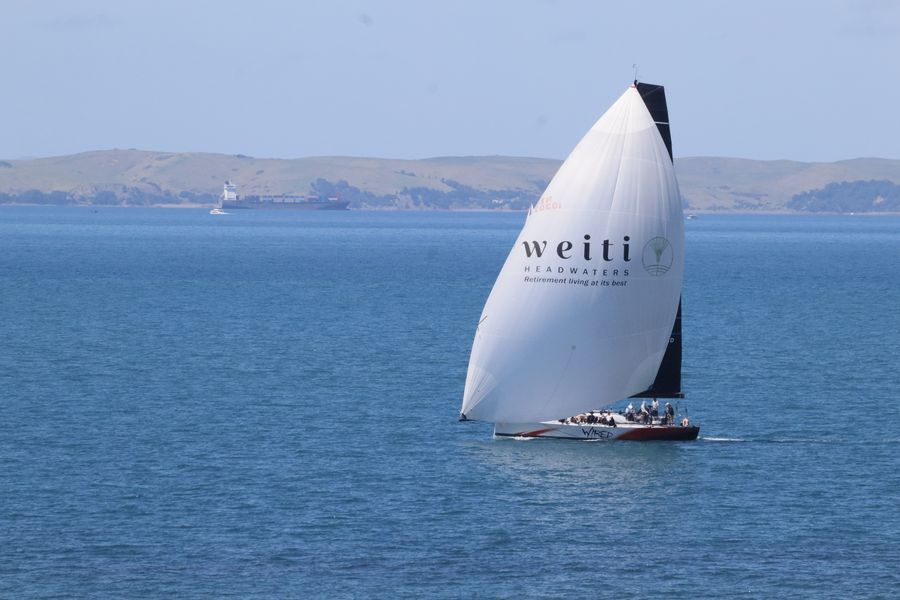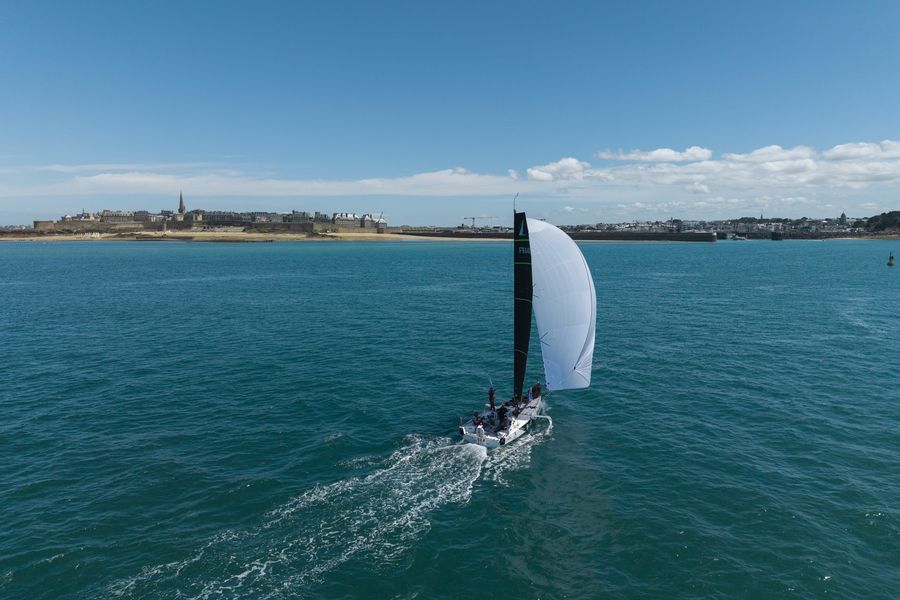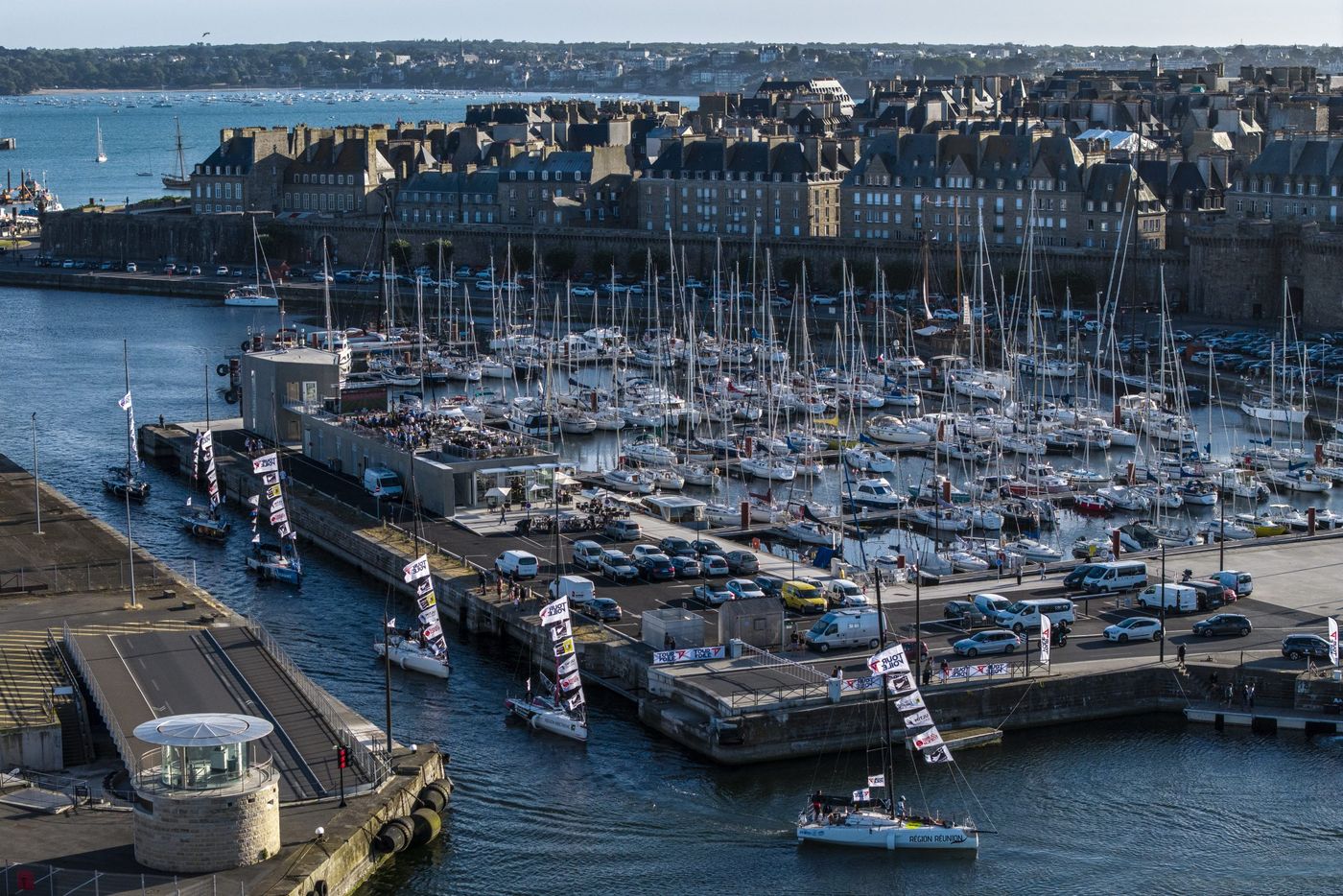
The Tour Voile arrived in Saint-Malo for a key stage of its 2026 season, bringing the Figaro Beneteau 3 class to one of France's most storied maritime cities. The stop represents more than another leg in an offshore series. It signals a deliberate effort by the race's organisers to reconcile the competition's deep-rooted traditions with a forward-looking commitment to inclusivity and gender balance.
Few French port cities carry the seafaring weight that Saint-Malo does. That heritage sits at the very core of the city's identity, and the Tour Voile's presence here amplifies it while pushing the race in new directions. Armel de Lesquen, the city's municipal councillor for maritime affairs and a member of the Bretagne Plaisance board, was direct about what the event means beyond the racing itself. "Tour Voile is above all a remarkable human adventure," he said. For de Lesquen, the race has earned its reputation as an essential development ground, a place where younger sailors work in close company with experienced navigators, absorbing knowledge through mentorship and live competition rather than classroom instruction.
The 2026 edition has moved that development mission into fresh territory. A noticeably stronger female presence, both within crew lineups and in leadership positions across the fleet, reflects the wider shift the sport is undergoing. The race has also adopted inclusion policies that allow sailors with disabilities to compete on equal terms. Taken together, de Lesquen described these changes as building "a modern, accessible sailing community oriented toward the future," a phrase that captures the tension offshore racing series increasingly face: how to honour what made them great while remaining relevant to a generation with different expectations.
{{TABLE_1}}
Gaëtan Guilloux, General Director of Bretagne Plaisance, the organising body in Saint-Malo, offered his assessment of what he had witnessed since the Tour Voile got underway. "The races have been highly disputed, and the commitment of the crews is remarkable," he noted. The bay at Saint-Malo brings exactly the kind of tactical complexity and demanding conditions that offshore racing requires, and Guilloux expected favourable weather to combine with those challenging waters as racing moved into the Grand Prix Bretagne Plaisance.
The Tour Voile's dual ambition this year, maintaining rigorous competitive standards while expanding access and representation, places it in an interesting position within French sailing. The series continues to function as an elite training platform, producing sailors capable of stepping up to the highest levels of the sport, yet it is doing so with a broader and more diverse cast than any previous generation of the race would have recognised. Saint-Malo's waterfront, shaped by centuries of maritime history, proves a fitting setting for a competition navigating precisely that kind of balance.