Three weeks of racing along some of France's most demanding coastline will define the 2026 Tour Voile, a competition that has quietly become one of the most purposeful events in offshore sailing. The fleet departs Cherbourg-en-Cotentin on 24 June and crosses the finish line at Larmor-Plage on 12 July, threading through Normandy and Brittany in a route that tests every skill a crew can possess.
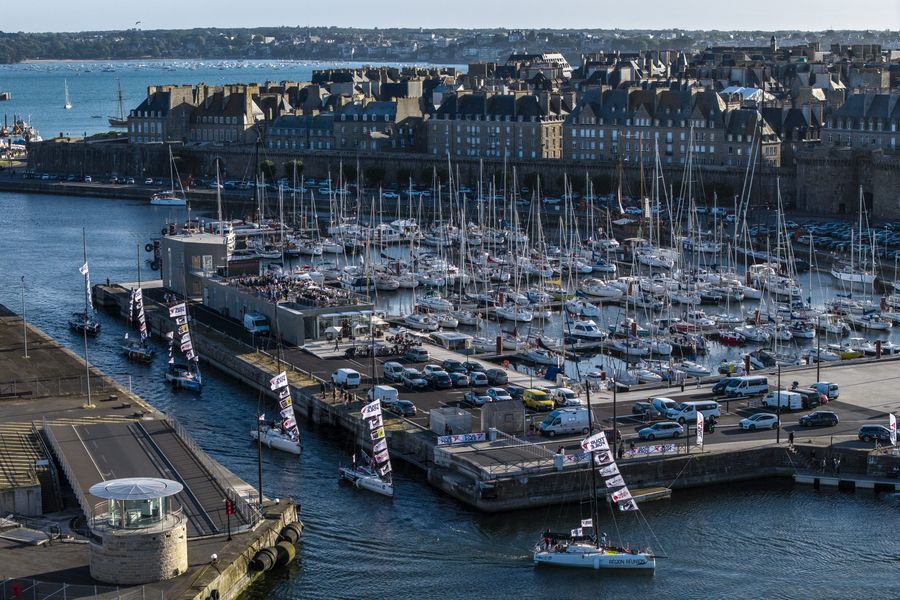
Ultim Sailing designed the course, and race director Yann Chateau returns for his second consecutive year at the helm of the event. The itinerary is built around five host ports, each adding its own character to a competition that blends coastal regattas, constructed courses, and open-water offshore legs into a single sustained challenge. Cherbourg hosts the opening phase from 24 to 28 June, followed by Saint-Malo from 29 June to 1 July, then Plérin in the Bay of Saint-Brieuc from 2 to 5 July, Camaret-sur-Mer from 6 to 9 July, and finally Larmor-Plage as the decisive closing venue. A single rest day falls on 4 July at Plérin, and outside that break crews work through approximately thirty competitions spanning the full duration of the event. Camaret-sur-Mer carries a particular footnote in 2026, becoming the first port to host Figaro Beneteau 3 boats under the Tour Voile banner.
The demands woven into this route are considerable. Crews must manage tidal windows, read shifting Channel weather, execute channel crossings, and move between inshore precision sailing and autonomous offshore passage planning, all while maintaining the intensity of a racing campaign across multiple venues. Each stopover is also designed to engage its host community, giving the competition a broader footprint than pure race results alone.
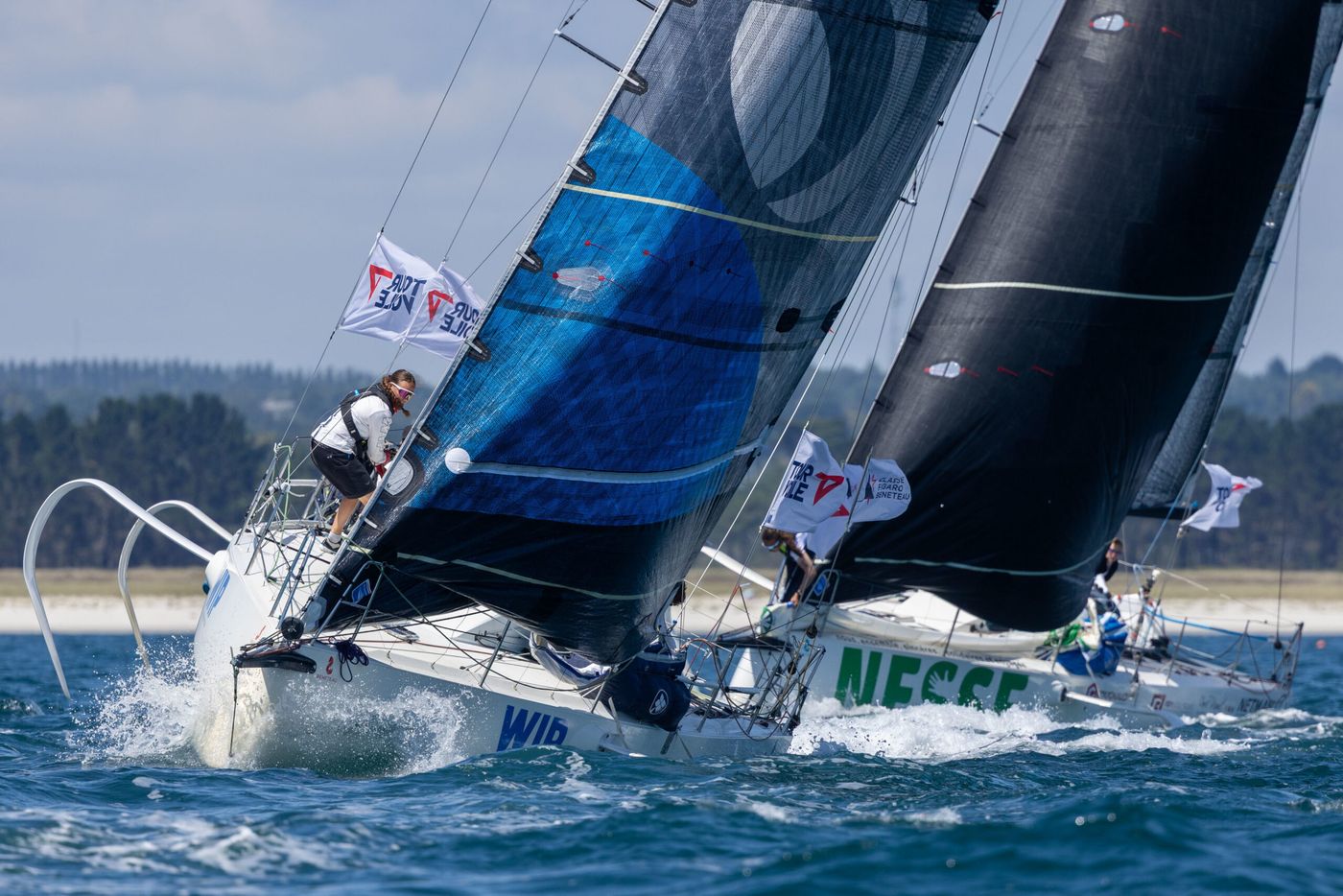
At the heart of the fleet's entry requirements is a crew rule that reflects the event's values as clearly as any course design could. Every Figaro Beneteau 3 entered must carry four sailors: one woman and at least two competitors aged under 26, with the female crew member eligible to count toward that youth quota. The structure is deliberate. Tour Voile has operated for years as a genuine proving ground for emerging offshore talent, a place where sailors build open-water handling skills, sharpen meteorological and tactical judgement, and develop the kind of resilience that only extended racing at sea can forge. Several careers that now command respect in offshore racing trace early chapters back to this event, and organisers frame the 2026 edition as a continuation of that tradition. Formation, mentorship, knowledge transfer, and mixed-crew racing are not peripheral features here; they are central to the competition's core design.
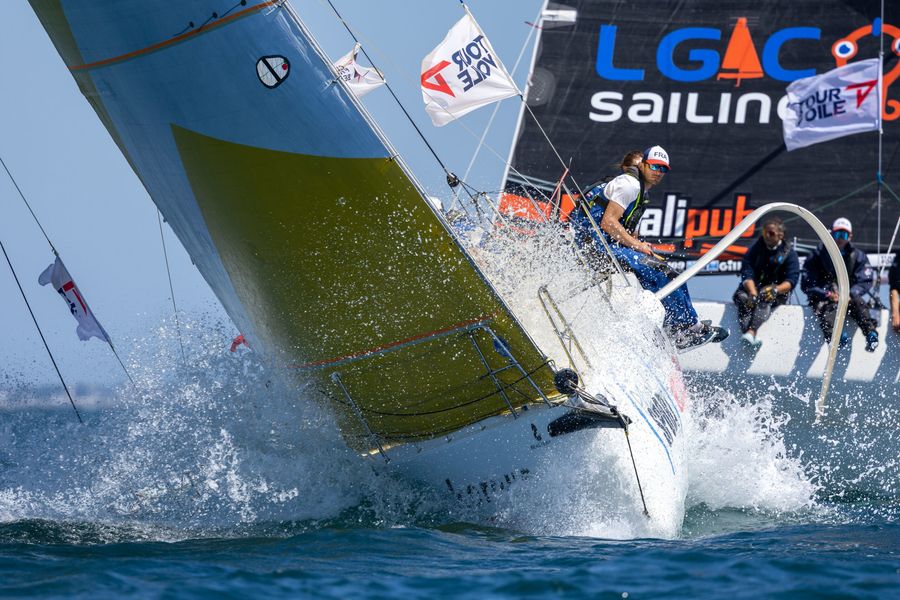
Organisers Emmanuel Bachellerie and Mathieu Sarrot have watched competitive standards rise steadily across successive editions. Returning competitors have arrived each season with measurably stronger skills, while new entries are increasingly coming with serious ambitions rather than treating the event purely as a learning platform. Within the 2026 fleet, at least one boat is expected to line up with a genuine podium target in mind, a detail that says plenty about where Tour Voile now sits in the wider competitive landscape.
"We are quite impatient to see the 2026 cohort," the organisers said. "One of the finest rewards of running this event over the past years is seeing that sailors come not just to raise their level, but to take home the trophy. That was a shared goal when we rebuilt Tour Voile with the French Sailing Federation and the Figaro Beneteau class: to create a competition that matters, one sailors want on their palmares."
The finish at Larmor-Plage on 12 July will determine the winner of the 47th edition of the event. Mayor Marianne Rousset has described the occasion as both a sporting landmark and a celebration for the wider community, a fitting close to a competition that asks as much of its sailors as any comparable event on the offshore calendar.