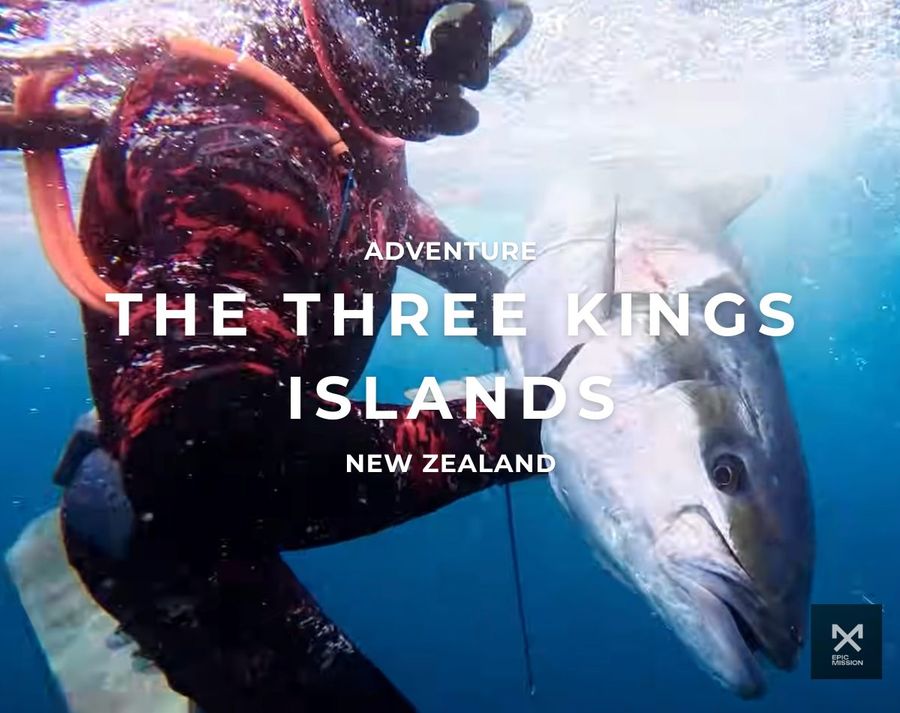
A spearfishing crew points north toward one of New Zealand's most remote fisheries, chasing a world record kingfish and filming everything along the way.
Michael Campbell was roughly a third of the way across a nearly 55 kilometre open-water crossing when he looked back and watched Cape Reinga recede behind the stern. Nothing lay ahead but Pacific Ocean, and somewhere beyond the horizon, the Three Kings Islands. A passage of that length places the Kings firmly beyond casual day-trip territory. You make that run because you have a specific reason, and Campbell's reason was a world record kingfish.
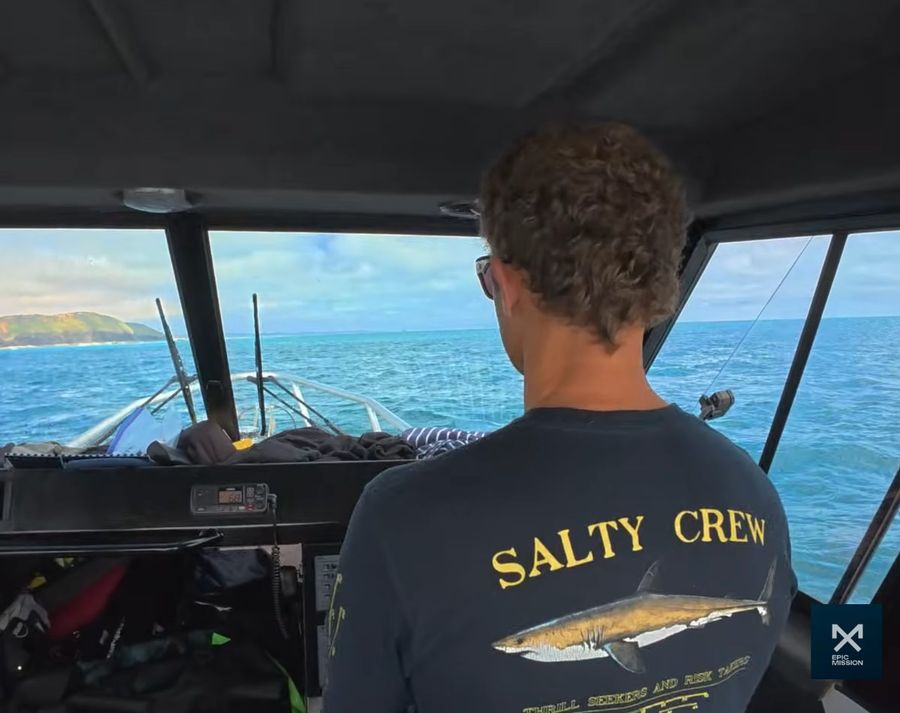
The Three Kings sit at a convergence of major ocean systems, producing conditions that are as volatile as they are rich. Volcanic structure climbs steeply from deep water, forcing currents to accelerate and wrap around the rock in unpredictable ways. Swell that appears orderly from a distance rebounds off sheer rock faces and piles into confused, chaotic patterns the moment you get close. Reading weather and sea charts before committing to a trip like this is not a preference, it is a basic requirement. When Campbell and his dive crew first assessed the Kings on this trip, the situation was clear from the outset: the sea held the schedule, the access, and every small decision they would need to make.
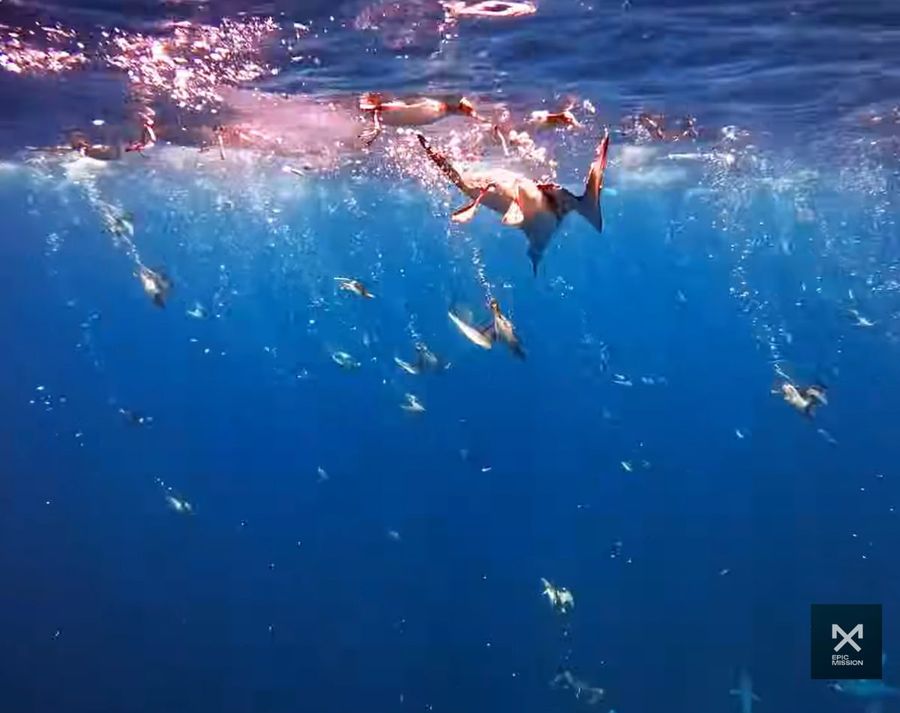
The very qualities that make the place difficult are also what make it fish so well. Heavy current sweeps nutrient-rich water onto structure, sustaining dense bait schools that attract predators. Bird activity at the surface frequently signals where feeding is concentrated below, with large congregations marking the most active zones. Campbell's plan was to work inside that system and find a fish capable of breaking a world record.
The cost of all that productivity is exposure. There is no meaningful shelter if the weather turns, and no realistic option to wait anything out. The Three Kings give you exactly what the conditions allow on a given day, nothing more, and Campbell knew that committing to the crossing meant accepting whatever the sea presented.
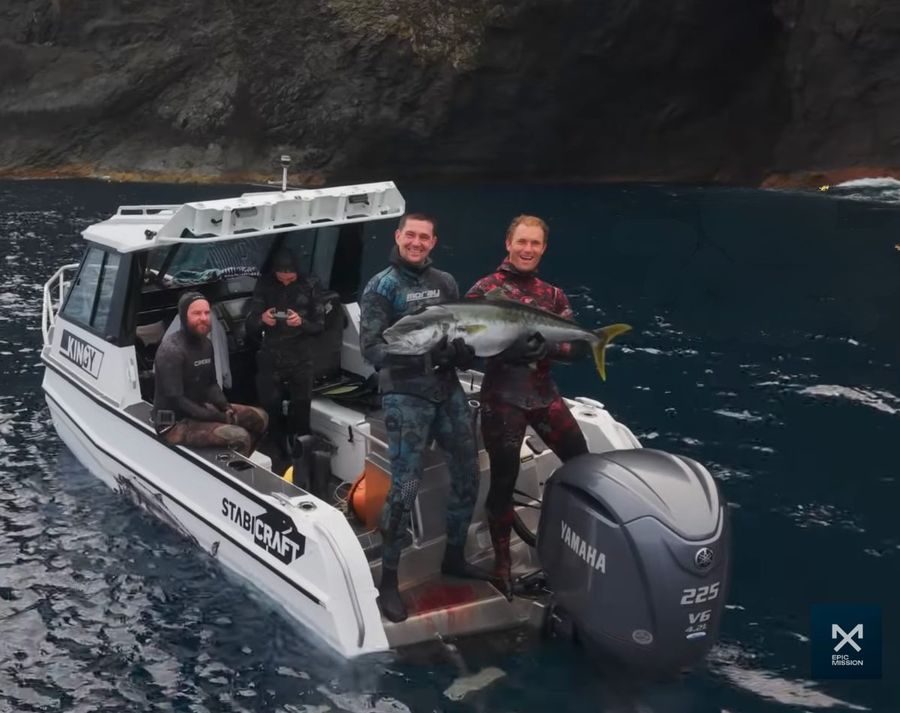
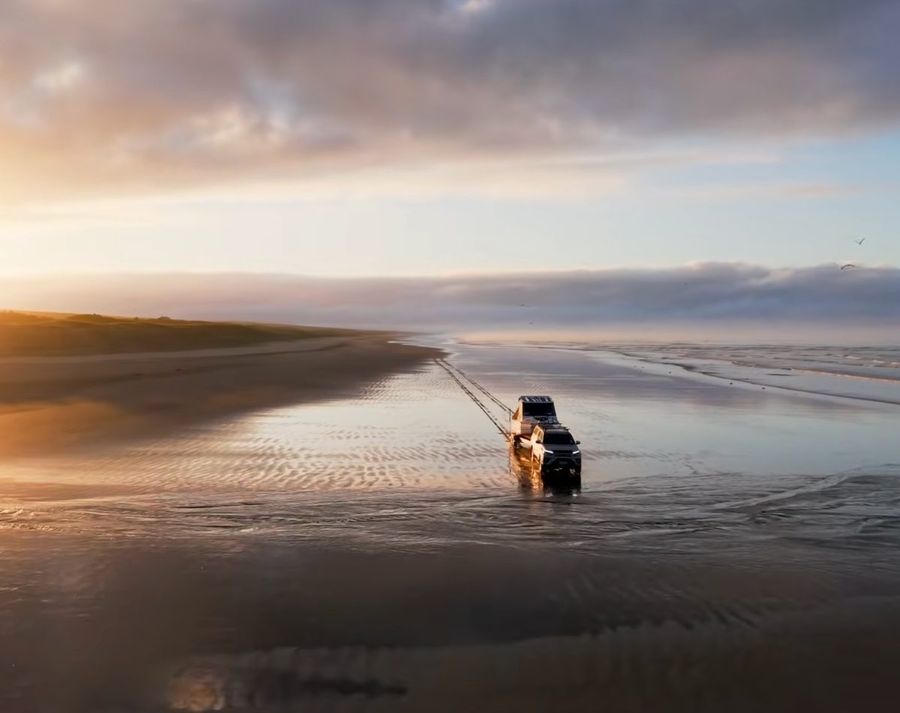
The boat carrying the crew is a 6.4 metre Stabicraft 2100, a workmanlike platform well matched to this type of mission. Hull thickness has been increased from 5mm to 6mm to soften the ride in rough water, and the transom is reinforced to carry a 4 litre Yamaha V6, providing the power required when conditions deteriorate. Hydraulic steering makes tight manoeuvring in current manageable, and the boat carries dive gear for a crew of three without difficulty. A Garmin 1kW transducer handles bait and structure reading, while reinforced hook hitches on the bow allow for beach launching and recovery using strops.
The passage north is a challenge in its own right. Leaving the shelter of the mainland offers no gradual transition into open water. Wind against tide builds short, steep seas quickly, and the sense of isolation deepens with every kilometre covered. There are no alternate harbours, no convenient fallback positions, and very little tolerance if something fails or the weather shifts unexpectedly.
Reaching the Kings, the crew's attention moves straight to the water. They work the areas where current runs hardest, because that is where kingfish hold. Productive zones shift with the current, and a spot that fires in the morning can go quiet within an hour. Campbell and his crew reassess constantly, adjusting drift lines, entry points, and pickup strategy to stay in contact with the bait schools.
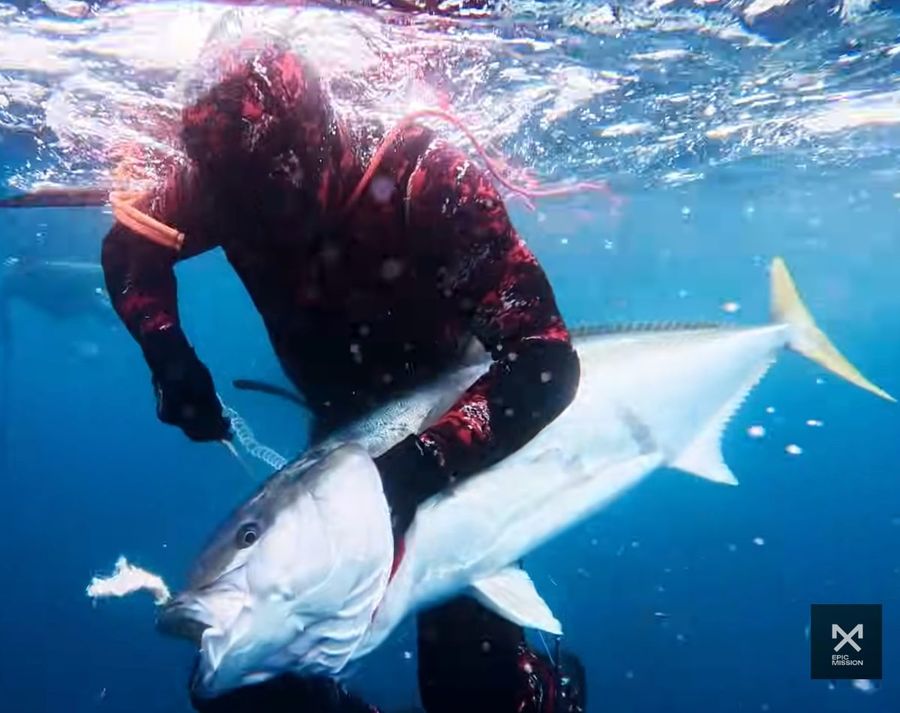
By mid-afternoon, the eskies are filling. Ice becomes a constraint quickly once fish start running larger, and while numbers are building, the record fish remains elusive.
Late that first day, a small misjudgement of current and swell places Campbell, his dive partner, and the Stabicraft 2100 closer to rock and whitewater than intended. The divers detach from the boat and let the current push them offshore. From the helm, the task is clear: hold position, keep both divers in sight, and recover them without incident. With careful positioning and a patient approach, both are brought back on board safely.
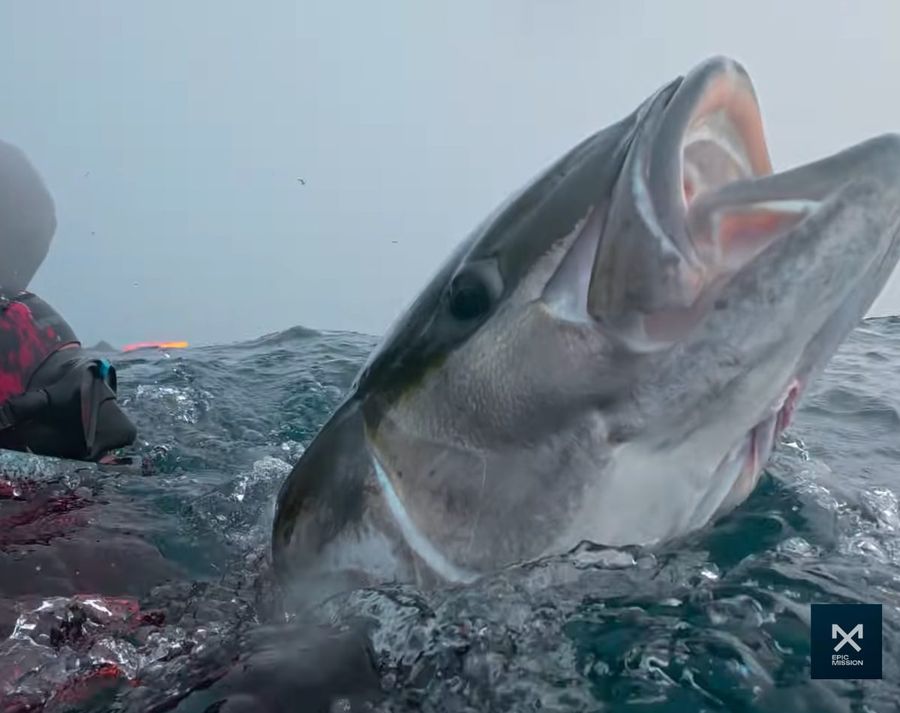
The hunt for a record-class fish carries into the following day. Persistence eventually delivers when a heavier kingfish is speared and brought to the surface. Weighed on board, it registers 34kg, a strong Three Kings fish by any standard, but still short of the mark the crew came for.
Then the window closes.
There is no argument to be had with the conditions out here. When it is time to head south, you go. Another opportunity will come around.
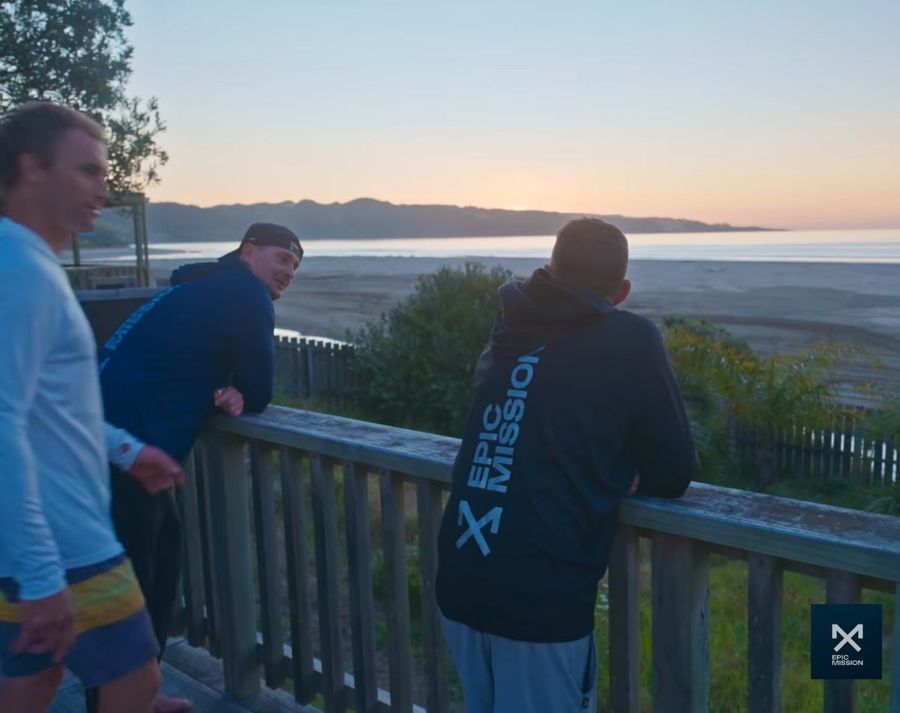
For Campbell, the trip connects directly to Epic Mission, a platform built around inspiring and enabling ocean-based adventures spanning fishing, spearfishing, diving, and broader exploration. A crossing to the Three Kings is precisely the kind of story that platform was built to tell. It reveals what exists out there, and what is genuinely required to get amongst it. When the crew swing the Stabicraft back toward the mainland, the trip is complete, not because a record was broken, but because the journey has been captured honestly for what it is.