
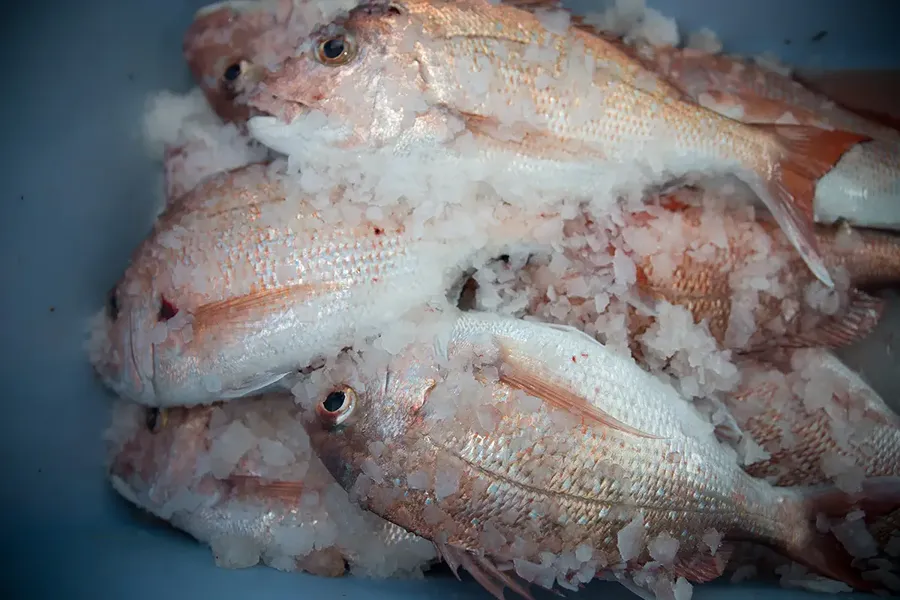
Three fishers have been fined $600 each for fishing inside the Whangārei Harbour Marine Reserve, adding to a run of similar cases in Northland this year.
Department of Conservation (DOC) Compliance Officer Evan Davies caught them in the act, spotting the three men fishing from a vessel in the reserve's Reotahi section during a routine patrol on 12 June. It was around 3pm, and all three were actively fishing when he first saw them. The boat's exact position was later confirmed using GPS coordinates taken from DOC vessel Rako as it pulled alongside.
When interviewed, all three admitted they had been fishing inside the reserve. Between them they'd landed one snapper. Each was issued a $600 infringement notice, which has since been paid.
DOC chose infringement notices over prosecution, pointing to the men's cooperation and their willingness to accept responsibility. Had the case gone to court, penalties under the Marine Reserves Act can run as high as $10,000 and three months in prison, with fishing gear forfeited on top.
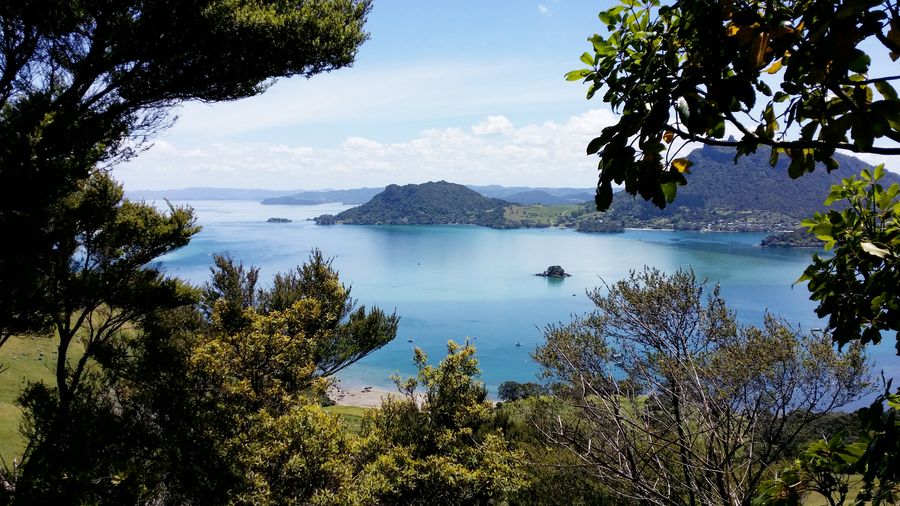
"Marine reserves help protect marine habitats and allow fish and other marine species to thrive free from fishing pressure," says DOC Whangārei Operations Manager Rob Akuhata. "Although most people follow the rules, it's important anyone heading out on the water understands where marine reserve boundaries are and what activities are permitted within them."
The reserve dates back to 2006, covers 236 hectares over two sites, and exists partly thanks to a campaign led by students and staff at nearby Kamo High School. Inside its boundaries, taking anything, fish included, is off limits.
Other cases this year
Two more Northland fishers were fined in June, $1,000 each, for fishing inside the Mimiwhangata and Rakaumangamanga (Cape Brett) Rāhui Tapu marine protection areas. One was caught on a night patrol that Northland Regional Council runs specifically to catch people who might otherwise wait out the daytime officers. Since October, the council has run 94 of these surveillance trips, checked more than 246 boats, and handed out 23 formal direction notices on top of the fines.
That case sits under different rules again, stemming from a 2023 Environment Court ruling rather than the Marine Reserves Act DOC used this time. But the pattern is hard to miss: Northland's protected waters are getting watched more closely, and more people are getting caught.
Meanwhile, scallops may be back on the table
Not everything is getting stricter, though. Fisheries New Zealand is consulting on reopening part of Whangārei Harbour to recreational scallop fishing after four years closed. A recent survey found some beds holding decent numbers again, and Oceans and Fisheries Minister Shane Jones has opened public feedback until 5pm on 18 September.
"Sustainability is always the bottom line," Jones says.
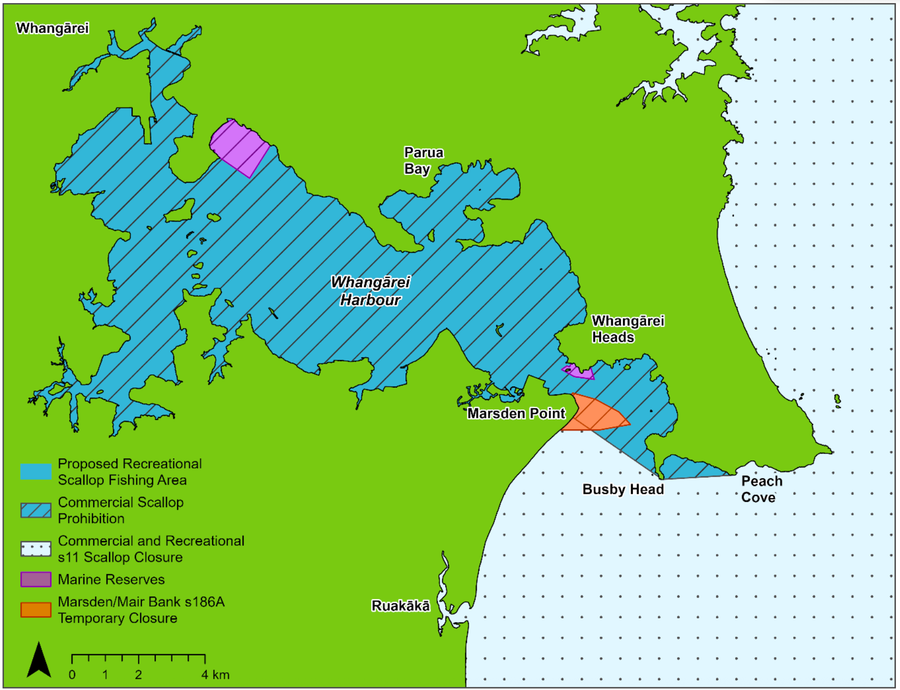
That's a separate issue from the marine reserve. Scallops would come under Fisheries New Zealand's rules for the wider harbour, not DOC's no-take reserve, which stays exactly as strict no matter what happens with the scallop consultation.
Anyone heading out on the water in the harbour is best off checking exactly where those reserve boundaries sit before dropping a line.