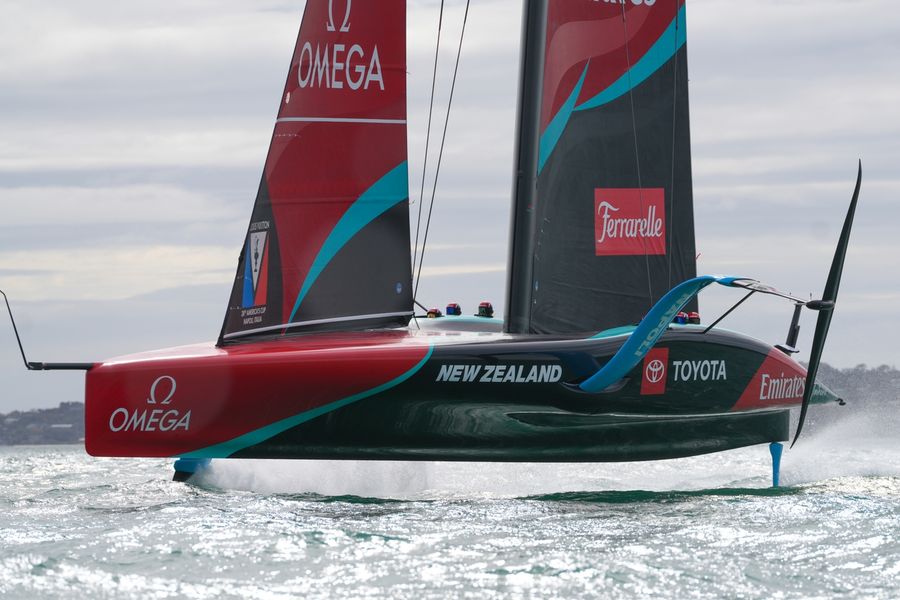
Three AC75s on the water at once. It has made for a revealing few weeks, with Emirates Team New Zealand in Auckland, Luna Rossa in Cagliari, and La Roche-Posay Racing Team back out in Lorient after their enforced layoff.
After a block of AC40 training in Naples, ETNZ returned to a mid-winter Auckland to begin working up Taihoro in earnest. Grant Dalton had signalled in Sardinia that the time for finding speed had arrived, and skipper Nathan Outteridge has since confirmed the boat is moving in the right direction.
"Every time it goes in the shed and gets some upgrades, it comes out, it's an improved boat, which is fantastic to see," Outteridge said. "We always thought there was going to be just small gains here and there, but the team's been doing a fantastic job to find some real metres on the table, which has been awesome. The boat's going faster and it's getting easier for us to sail, which is really cool."
Those are words the other camps will not enjoy reading.
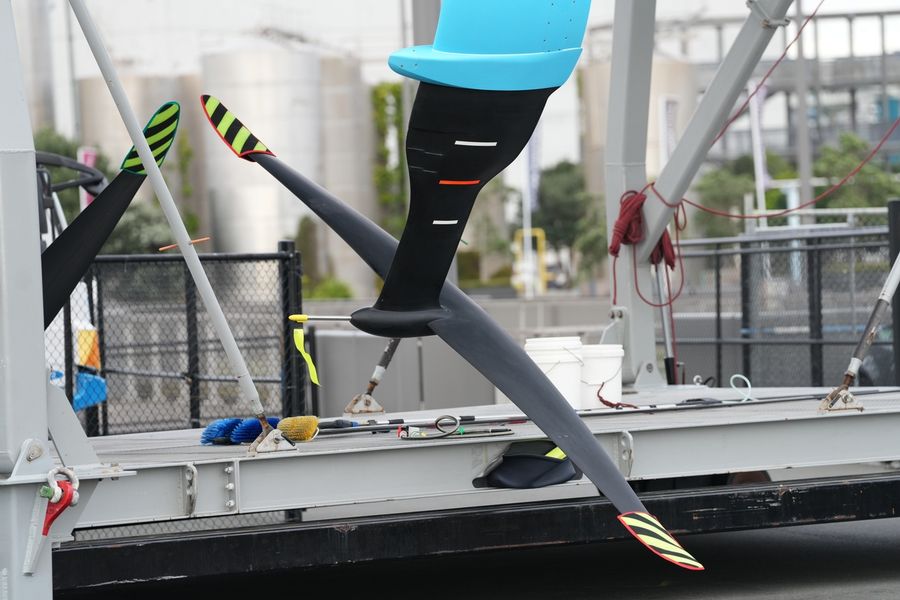
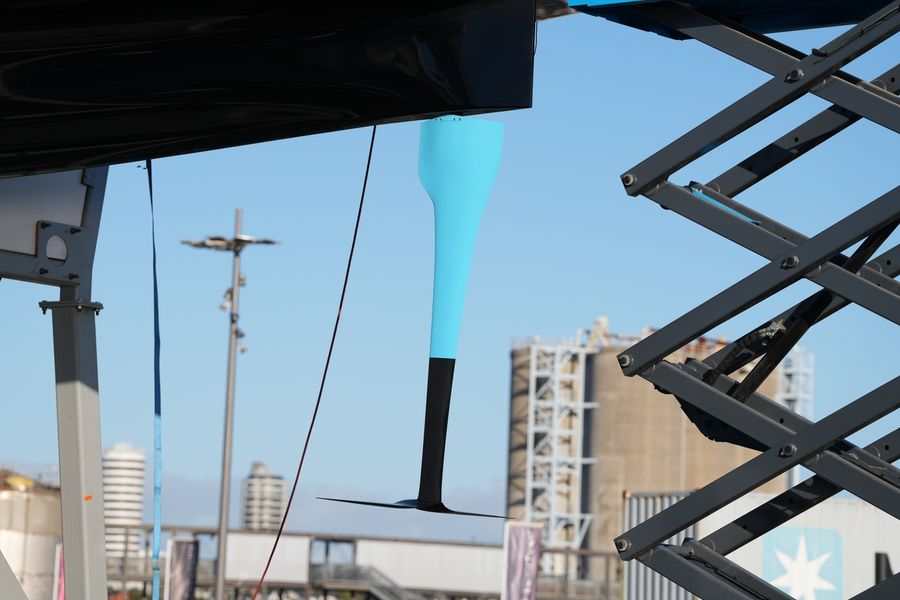
Taihoro has looked steady in flight and controlled through manoeuvres. The legacy main foils have been upgraded in ways invisible to the eye, the overall shape unchanged, though a larger protruded-forward weight anvil hints at a reduction in overall foil weight. A new rudder, smaller and noticeably raked fore and aft, has also appeared. In the most recent session the team were ripping around the Back Paddock at speeds above 50 knots under the M3 mainsail and J5 jib.
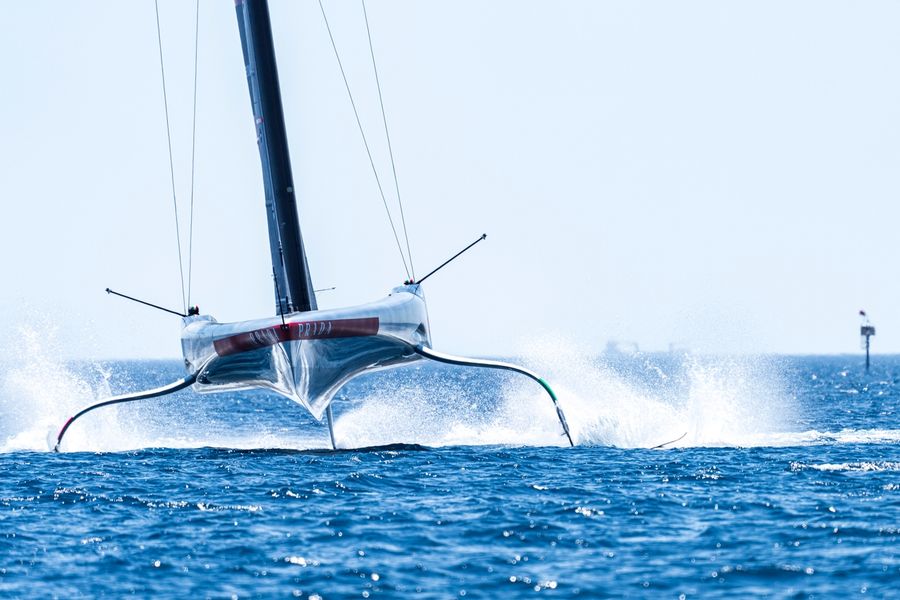
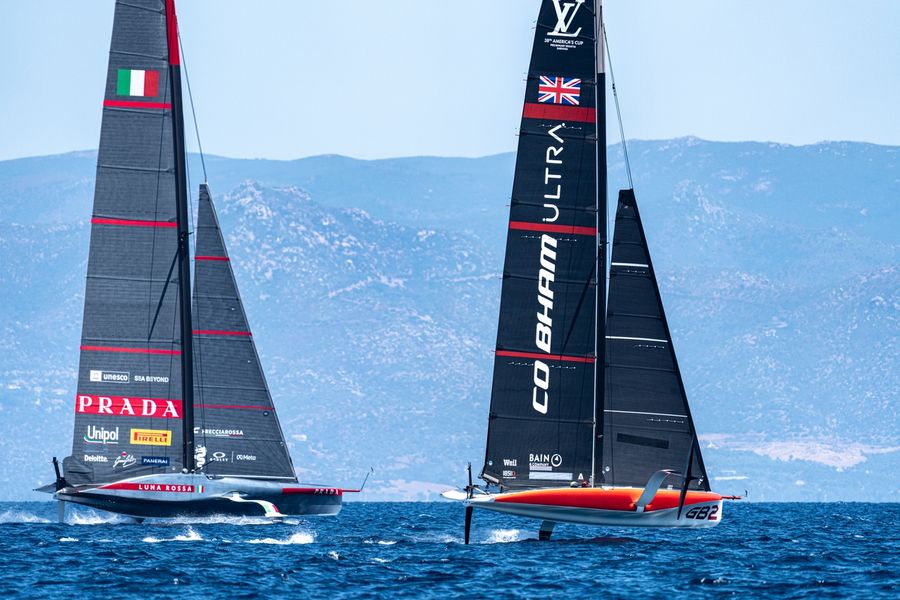
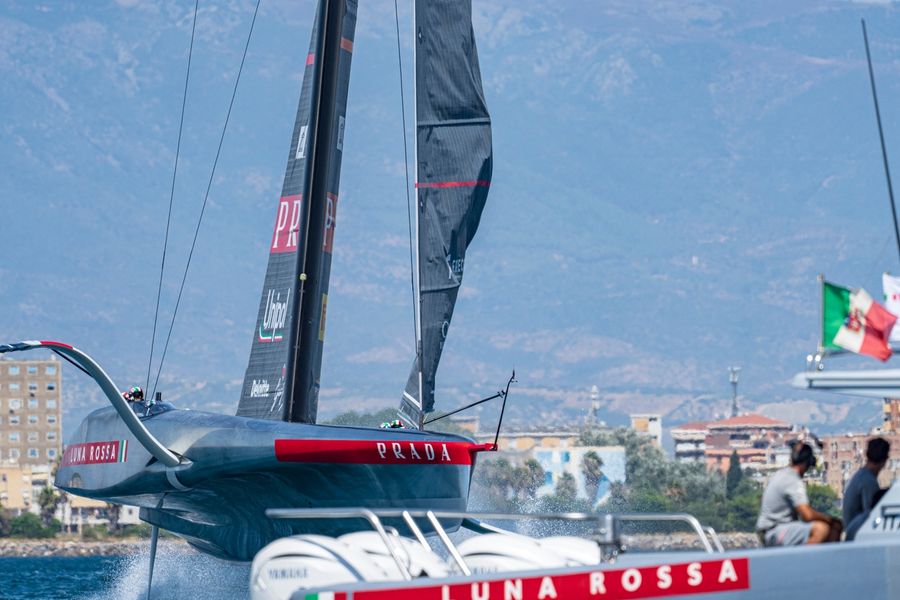
Luna Rossa put in four solid days in Cagliari before a ten-day break ahead of PR2 in Naples. Manoeuvre speed has lifted noticeably, particularly in pre-start work, with the helms rotating through sessions and pushing the Silver Bullet hard into tight circling. The July block had included a significant nosedive and a near-capsize. August has looked considerably more assured.
Peter Burling has been a constant presence on the water, paying close attention to the aero package and often walking out at speed to inspect mainsheet track and cunningham settings. The helm rotation question remains unresolved, with double gold medallist Ruggero Tita and Youth America's Cup holder Marco Gradoni still competing for the port helm slot. CEO Max Sirena has alluded to upgrades coming in the next month without specifying where they will appear, though foils, sails, and systems controls are the obvious candidates.
Then there is Lorient, where smiles have returned.
La Roche-Posay Racing Team came back to the water after their capsize sidelined them for nearly a month, an incident that saw battery smoke rising from the cockpits when lithium and salt water met in the electronics systems. The cause appears to have been a pinned mainsail traveller that failed to release.
Back in near-perfect conditions off the northwest of France, the boat has looked spectacular. A new double-skin mainsail was introduced in the most recent session, and skipper Quentin Delapierre said it gave the team more control out of manoeuvres from the outset. The team are still on the legacy foils from Barcelona 2024, with development focus sitting on the aero package and pre-set controls, particularly linking mast control and rotation with cunningham and outhaul settings to de-power and then power on the rig through the wind range. Communication between Delapierre and Diego Botin has looked sharp.
The French are running a sister-ship to Taihoro, which gives them a solid platform to build from. With the Louis Vuitton Cup not until May 2027, there is still time to close whatever gap currently exists.