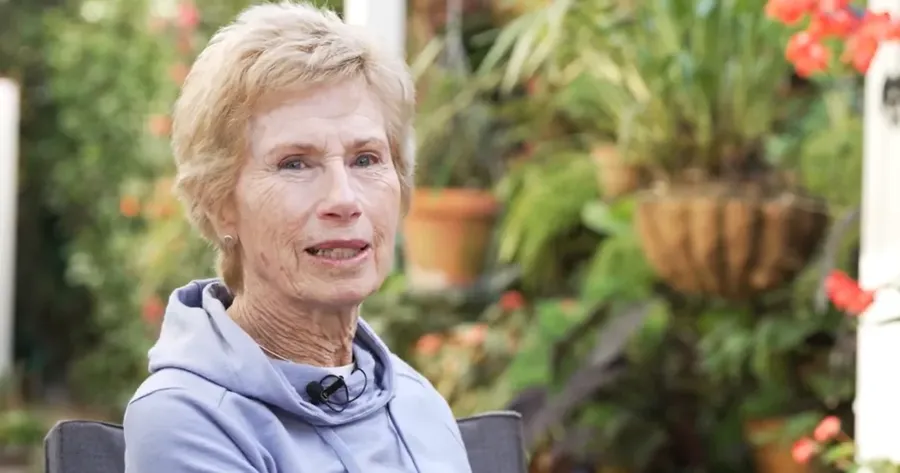
Few people can claim to have shaped a sport as comprehensively as Lesley Milne has shaped rowing in New Zealand. At the New Zealand Sport and Recreation Awards ceremony held in Auckland on Monday, 8 June, Milne received the 2026 Sir Eion and Jan, Lady Edgar Lifetime Achievement Award, one of the most distinguished honours available in New Zealand sport. The recognition is reserved for those whose contribution to sport and recreation in Aotearoa has been both exceptional and enduring, and by any measure, Milne's qualifies on both counts.
What makes the award so fitting in her case is the breadth of what it acknowledges. It is not a tribute to medals alone, but to more than sixty years of sustained effort as an athlete, administrator, official, and advocate, effort that has quietly and permanently altered the landscape of women's rowing in this country.
Her connection to the sport took root in the 1960s, a time when the doors of many Auckland rowing clubs remained firmly closed to women. Milne found her place at North Shore Rowing Club on Lake Pupuke, and from there set about expanding what was possible for female rowers in New Zealand. The pathways were narrow, but she helped widen them.
A turning point came in 1974, when she was selected for the first New Zealand women's crew to race at the World Rowing Championships, competing in the Coxed Four at Lucerne. It was a milestone for the sport nationally as much as it was personally. Back home, Milne went on to claim eight national titles with Auckland Rowing Club, and her competitive record gained further distinction two decades later with gold and silver medals at the 1994 World Masters Games.
Formidable as that racing career was, it is her contribution away from the water that has left the deepest mark.
From 1967 to 1973, Milne served as Secretary of the New Zealand Women's Rowing Association, becoming a key figure in the landmark unification of the women's and men's national rowing bodies. That structural change was significant well beyond its administrative detail, fundamentally broadening the sport's inclusivity and laying the foundation on which New Zealand's women rowers compete today.
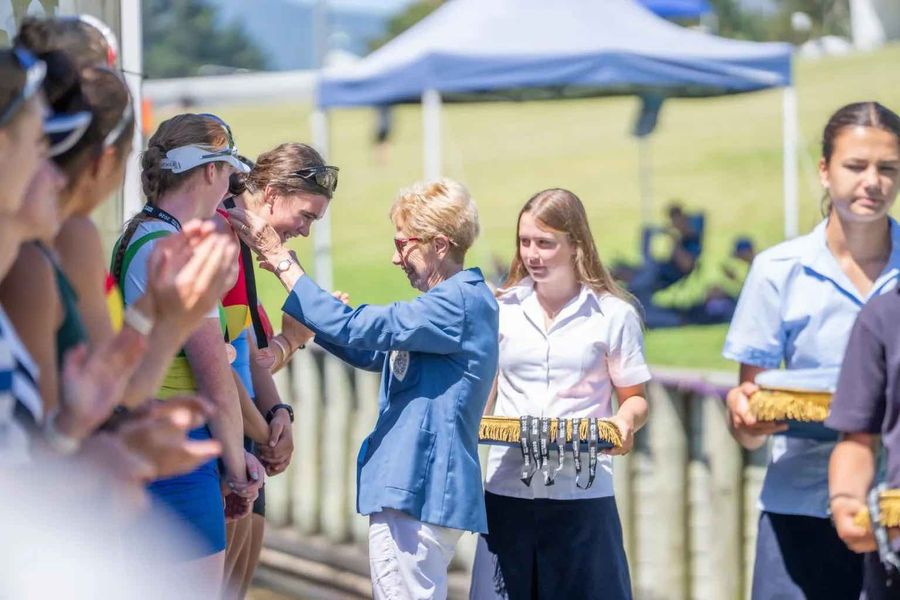
Her governance work was both extensive and long-lasting. An eleven-year tenure on the New Zealand Rowing Association Council brought her to a historic distinction: she became the organisation's first, and to this day still only, female President. She also served as President of the Auckland Rowing Association, and contributed across governance, welfare, and volunteer roles at Auckland Rowing Club over many years.
Milne's reach extended equally into the world of officiating. As the inaugural Chair of the national Race Officials Association and later as Rowing New Zealand's Race Officials Coordinator, she helped build the education frameworks, development pathways, and internationally benchmarked standards that continue to define how racing is officiated throughout the country.
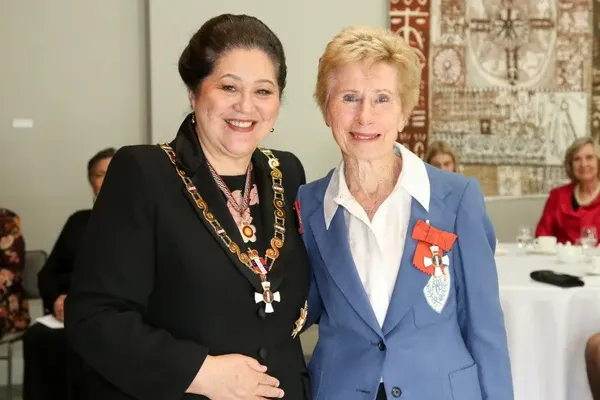
That body of work has already drawn formal recognition of the highest order. She holds an appointment as a Companion of the New Zealand Order of Merit, and has been awarded Life Membership by Rowing New Zealand, the Auckland Rowing Association, and the Auckland Rowing Club.