Sam Goodchild found himself holding the race lead in the most unwelcome fashion imaginable, pushing north-west of Ireland in the small hours of Monday morning as the IMOCA fleet absorbed the tail end of a punishing frontal system. The conditions the Vendée Arctique had served up were some of the hardest yet: sustained winds of 25 knots, gusts touching 30, seas heaving to four metres, and every skipper in the fleet facing the same grinding calculation about how much load their boat could absorb before something broke.
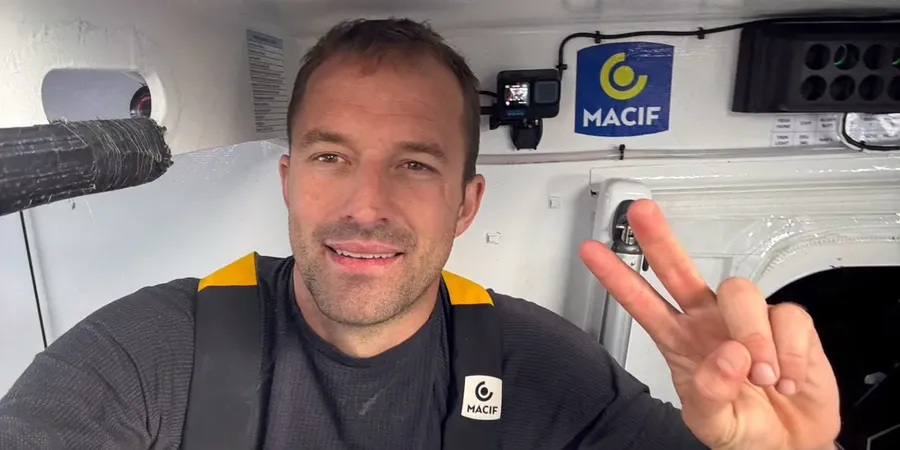
For Corentin Horeau, that question had already been answered. Running second aboard MACSF until late Sunday, Horeau lost his J3 shroud at around 21:00 (NZST, 9 Jun). The deck fitting that held the jib had pulled clean out, and his team spent two hours working through the options, searching for any path forward. With the sea state deteriorating ahead and the damage refusing to stabilise, Horeau turned MACSF toward Lorient. Another strong campaign, ended before daylight.
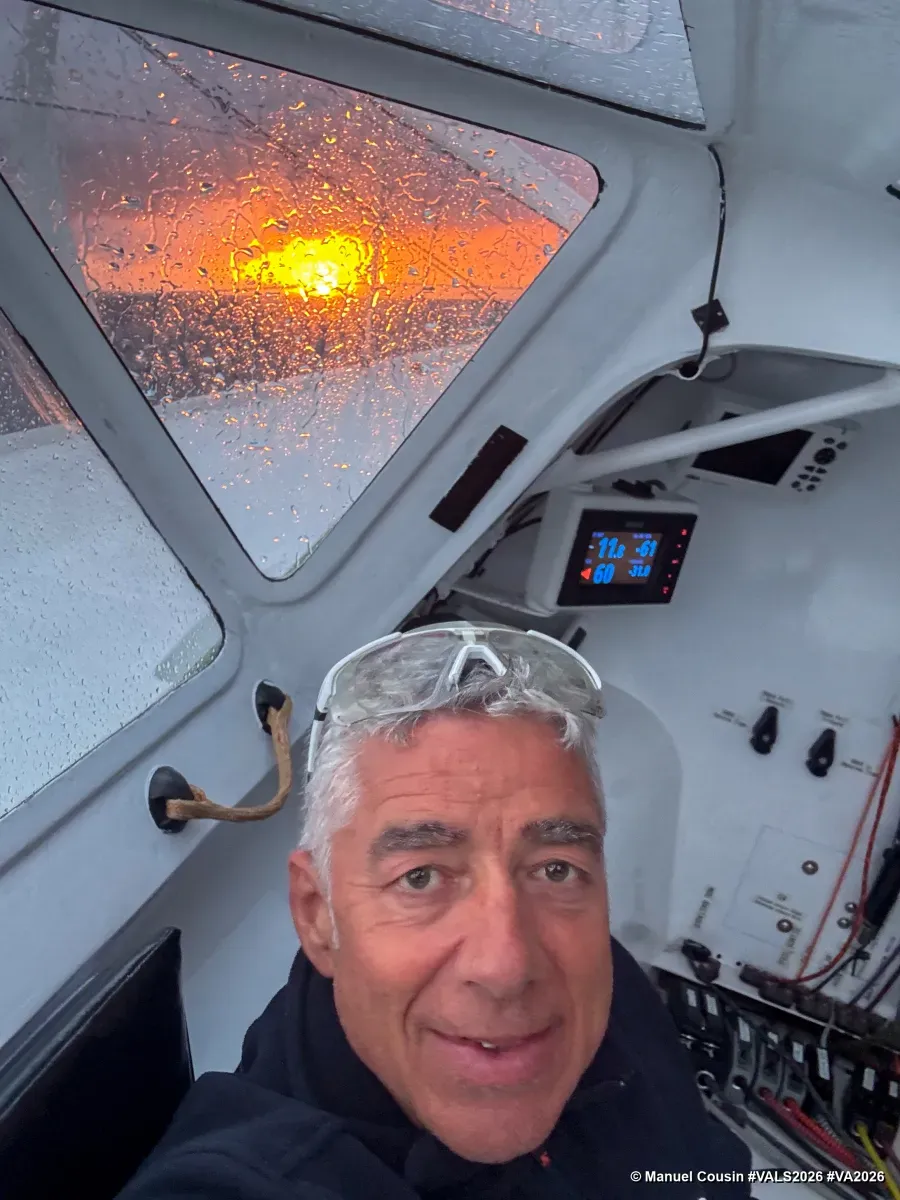
Goodchild had been racing in close company with Horeau from the start, and the retirement clearly left a mark on him. "I'm sad for Coco," he said. "It's a shame to see him turn back. He was sailing really well and made a beautiful start to the race. Losing a competitor like that always hurts. But I'm sure he'll return stronger." With MACSF out of the picture, the Franco-British skipper held a lead of roughly 50 nautical miles over Élodie Bonafous on Association Petits Princes - Quéguiner, who had rounded the south-west of Ireland and come through Dingle Bay at around 04:00 on Monday morning.
Far from pressing the advantage, Goodchild had spent hours deliberately reining in his pace, managing boat speed to reduce the violence of each impact as the bow met the steep, disordered swell. Squalls continued to roll through without warning, gusts arrived at unpredictable angles, and he kept himself within reach of the sheets at all times, ready to ease away the instant the boat dropped off a wave or was caught side-on.
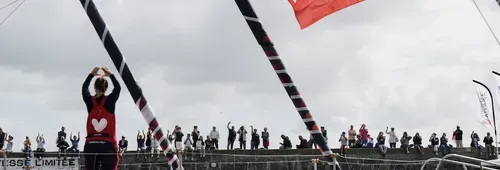
"The goal is to go fast, but not too fast," he said. "We're trying to eliminate the big accelerations and the hardest shocks." Below deck, life had been reduced to bare necessities. Meals happened when the boat allowed them, and sleep came in whatever gaps the sea offered between its harshest moments. "I try to move as little as I can," he added.
Goodchild believed the most severe weather had already passed, the systems that had hammered the fleet through the night beginning to relent as the IMOCAs pressed further along the course. On boats where a single failed fitting is enough to end everything, arriving at calmer water with the rig intact counted as a result in itself.