Ocean racing has deep roots in commerce. The Transat Café L'OR draws its identity from the old Route du Café, the trade corridor that once linked Le Havre, France's most active port, to the island of Martinique. When the race was established in 1993 under the Transat Jacques Vabre banner, its founders were honouring a celebrated French coffee brand while breathing new life into that historic maritime connection. What they created was one of the most demanding double-handed ocean crossings on the sporting calendar: 3,800 nautical miles taking crews through North Atlantic gales, the frustrating stillness of the doldrums, and the punishing heat of the tropics.
Thirty-two years on, Le Havre remains the starting point, but the event has grown into something considerably broader. When Café L'OR assumed the title sponsorship in 2023, the race was reimagined for a new generation, one shaped by technological innovation, gender equality, and a genuine commitment to environmental responsibility. The rebranding kept the race's core character intact while sharpening its focus on inclusivity and sustainability.
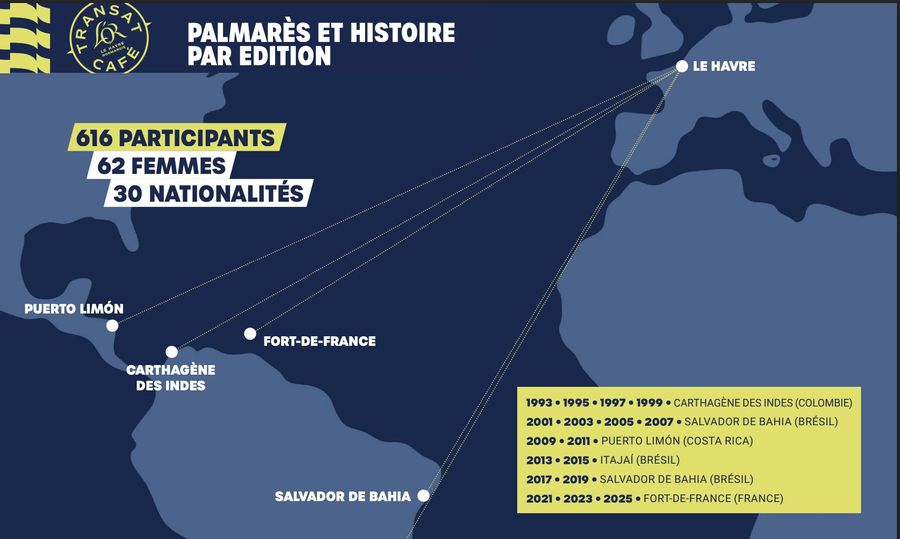
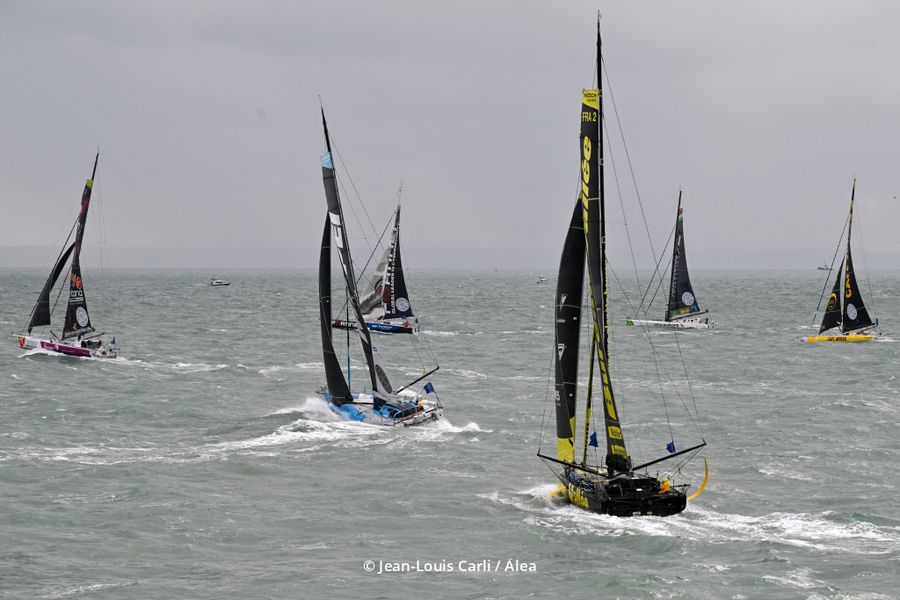
One of the most distinctive features of the Transat Café L'OR is the sheer breadth of its fleet. Few ocean races gather such a range of vessels under a single start banner. The 2025 edition brings together four ULTIM trimarans, 32-metre foiling machines capable of reaching 40 knots; ten Ocean Fifty multihulls, nimble 15-metre craft sitting between raw offshore power and everyday manageability; 18 IMOCA monohulls, the same Vendée Globe thoroughbreds that have come to define the leading edge of double-handed ocean racing; and 42 Class 40s, the accessible performance platforms that continue to attract new entrants to the sport. Across those four classes, 148 skippers representing 18 countries line up, a mixture of household names from offshore sailing's upper tier and ambitious crews making their first Atlantic crossing. Each class races on its own course with its own start sequence, yet every competitor shares the same finish: Fort-de-France, Martinique, a destination that closes the loop between Europe's industrial north and the Caribbean port at the heart of the old coffee trade.
The race's organisers are equally committed to what happens beyond the competition itself. The modern Transat Café L'OR is guided by the philosophy "Prendre la mer, Agir pour la terre," translated as "Take to the sea, act for the planet." Each edition runs sustainability programmes aligned with the
UN Ocean Decade
. The Ocean Experience educational village brings marine science directly to schoolchildren, while the Blue Innovation Forum convenes researchers and professional sailors to explore low-carbon solutions for the sport and the wider maritime world.
The
Cap pour Elles
initiative provides funding for all-female duos competing in the Class 40 division, and adaptive-sailing projects have opened offshore participation to disabled sailors. The City of Le Havre and the Normandy Region stand behind the event, and its organisers regard it as a demonstration of social progress every bit as much as a test of seamanship.
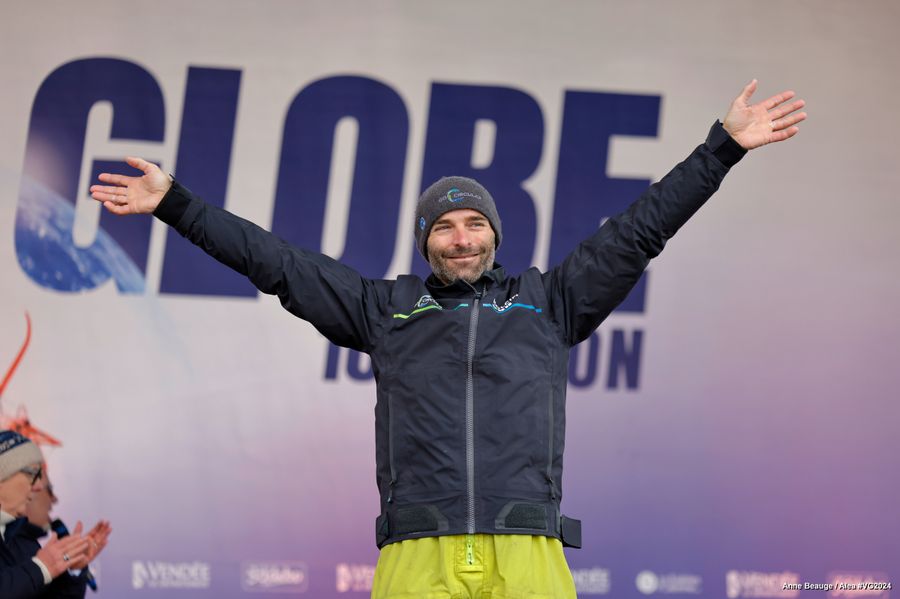
The race's roll of honour reflects some of the most accomplished names in offshore sailing. Franck Cammas, Armel Le Cléac'h, François Gabart, Jean-Pierre Dick, and Thomas Ruyant all appear among past winners. The Transat has served as a proving ground for
Vendée Globe
champions and as a laboratory for IMOCA development. Canting keels, composite foils, and real-time meteorological routing all found their feet in this race before becoming standard across the sport.
Yet the event's lasting appeal goes well beyond hardware. Two-handed sailing demands a particular kind of trust between crew members, a reliance on shared discipline and mutual resilience that no amount of technology can replace. Every edition produces hundreds of interwoven stories: well-funded professional campaigns operating with satellite support and weather routing teams alongside hand-built projects steered across the Atlantic by amateur pairs running on determination alone.
The 17th edition, departing Le Havre on 26 October 2025, is the largest in the race's history. From Basin Paul-Vatine, four start sequences sent the fleets out toward the Atlantic. The race village drew more than 500,000 spectators over its ten days, and millions more followed the progress of each division online.
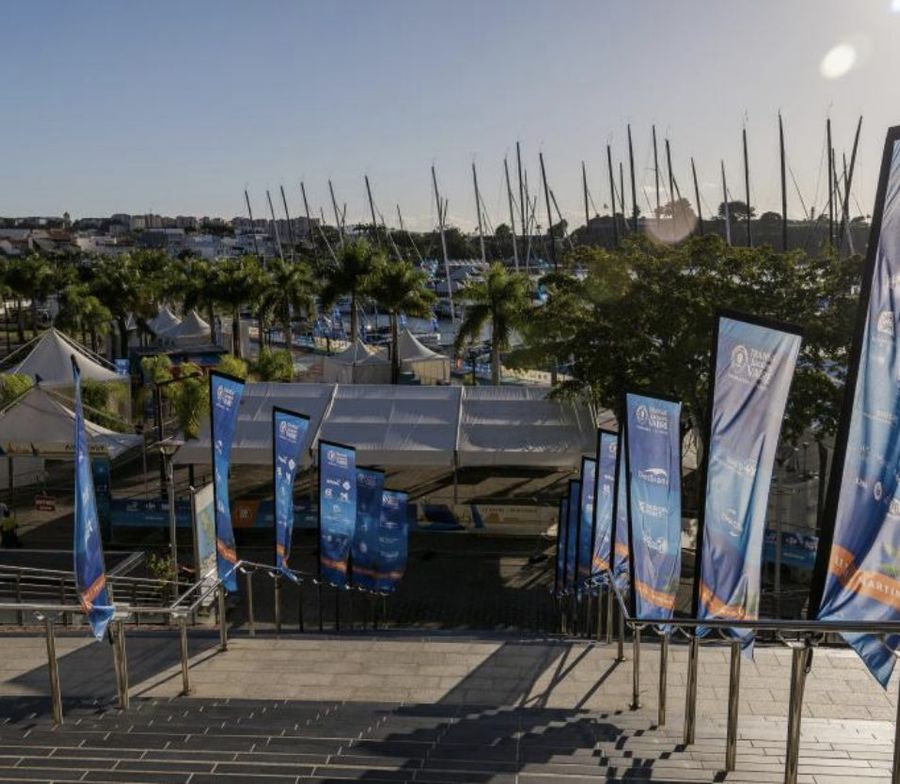
This year's ambassadors, astronaut Claudie Haigneré and explorer Matthieu Tordeur, give the 2025 edition a particular resonance. Their presence speaks to the event's long-standing interest in scientific curiosity and the kind of human courage required to venture beyond the familiar. The message they carry echoes across every hull working its way through the Bay of Biscay toward warmer water: that open horizons and bold thinking have the power to generate real change in the world.
What the Transat Café L'OR ultimately offers is a reminder of why ocean racing continues to matter. It draws a line between continents, between generations, and between different visions of what sailing can be. Whether your attention is on the ULTIMs carving through the doldrums at speed, the IMOCAs pushing their crews to the edge of endurance, or the Class 40s where lasting friendships are forged over weeks at sea, the underlying story is always the same: two people, one boat, and an ocean to cross together.
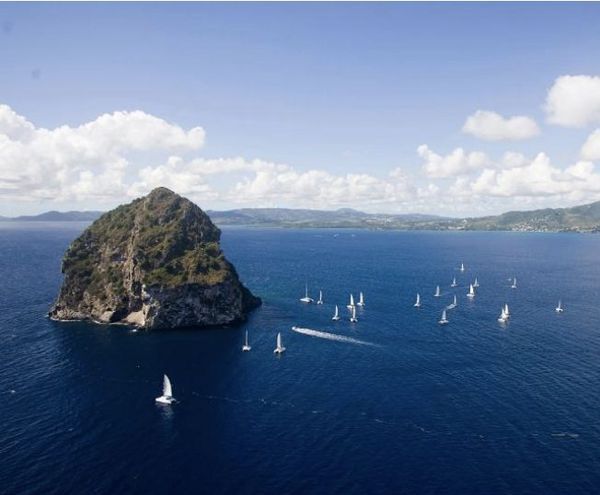
The Route du Café has changed almost beyond recognition since the first cargo ships made that run from Normandy to Martinique. The vessels are faster, the materials lighter, the data richer. But the spirit of the crossing, that mix of adventure, partnership, and respect for the sea, has never gone stale.