Speed-detecting digital signs have cleared their first real test on South Australian waterways, with trial results strong enough to convince authorities to proceed with a full statewide rollout. Marine Safety SA has confirmed the programme is producing measurable changes in boater behaviour, with vessel speeds falling and compliance rates climbing at every location where the technology has been deployed.
The two pilot sites at North Haven and St Kilda, both activated earlier this year, generated numbers that were difficult to argue with. St Kilda delivered the more striking result, with average vessel speeds falling by more than 30 per cent, a reduction of over 2 knots. North Haven recorded a speed decrease of close to 15 per cent. Together, those figures built a compelling case for extending the programme to additional locations across the state.
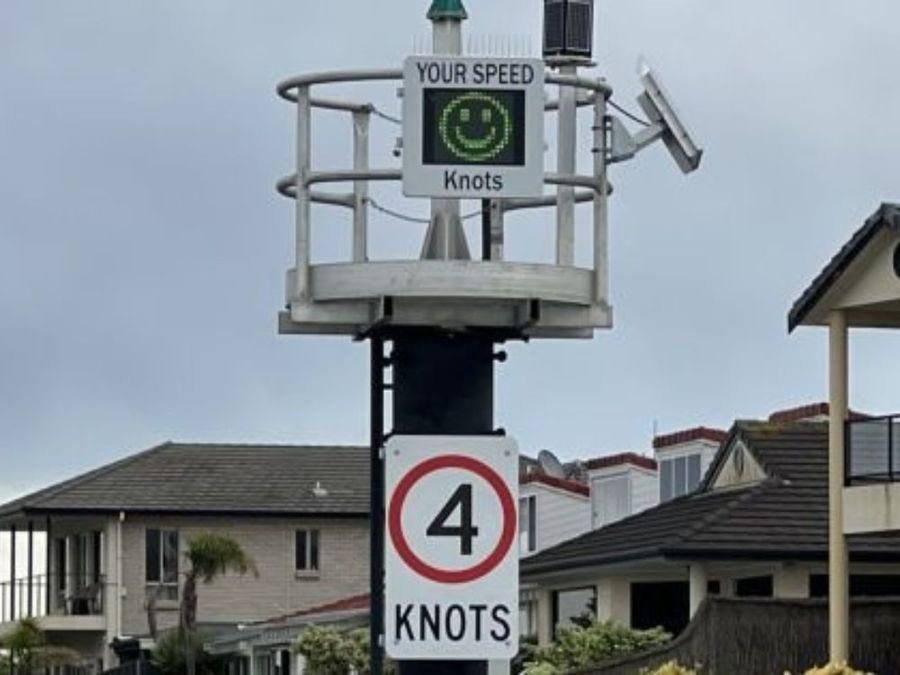
What makes the technology particularly effective is the immediacy of the feedback it provides, a form of real-time information that recreational vessel operators have never previously had available to them. Unlike cars, most recreational boats are not fitted with speedometers, meaning a meaningful number of people on the water simply have no reliable way of knowing their speed at any given moment. The digital signs address that gap directly. A vessel travelling within the limit sees its speed displayed alongside a green smiley face, while any boat running over the limit is met with a flashing red "SLOW DOWN" warning. That pairing of instant information with a clear visual prompt appears to be driving the behavioural shift the programme was designed to produce.
The case for keeping boat speeds down extends well beyond collision prevention. Fast-moving vessels generate substantial wakes that can create genuinely dangerous conditions for swimmers, kayakers, and other people sharing the water. In environmentally sensitive areas such as the Port River, excessive speed carries additional risks, threatening local wildlife including the dolphins that inhabit the area.
The rollout also reflects a community that has been vocal about the problem for some time. Speeding complaints have accounted for nearly half of all grievances lodged with Marine Safety SA over the past four years, a proportion that speaks to how deeply the issue registers with the public. Enforcement data from the same period adds further context, with more than a third of boaters intercepted found to be in breach of basic safety requirements.
{{TABLE_1}}
The digital sign programme sits at the heart of South Australia's Recreational Boating Safety Strategy, which places technology at the centre of the effort to change habits rather than relying primarily on enforcement action. The results so far suggest that philosophy is already translating into real outcomes on the water.