The overlanding world has long embraced rooftop tents as a way to sleep off the ground without the fuss of a campsite. Now that same thinking is making its way onto the water, with hardtop boat owners discovering that a tent bolted above the cabin can transform a day vessel into a genuinely capable overnighter.
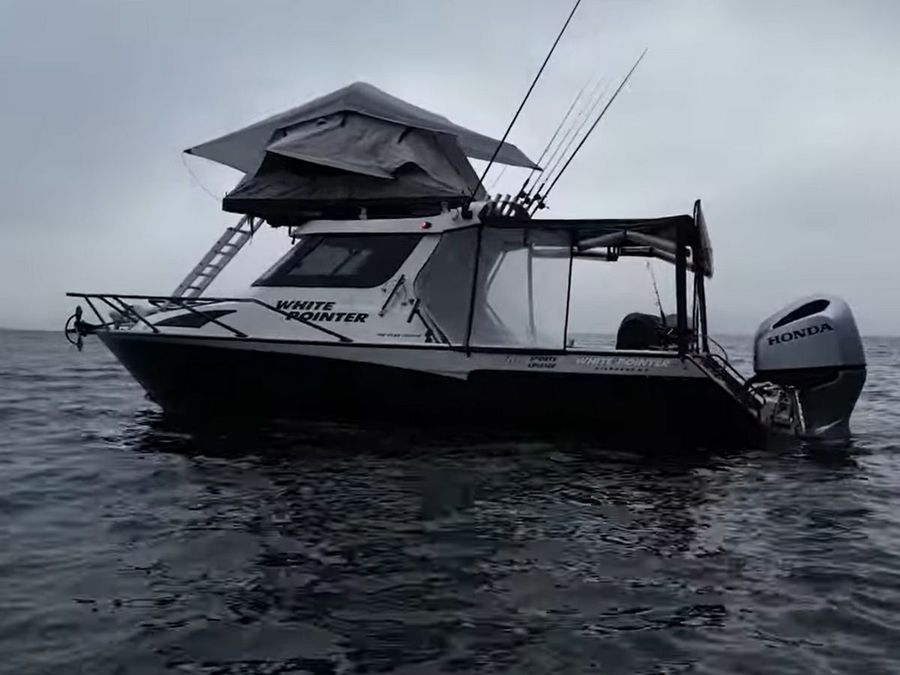
The appeal is straightforward. Sleeping space is added without sacrificing deck room below, your range extends beyond the nearest marina or campground, and the whole setup folds away cleanly while you're underway. White Pointer offers a well-known example of this concept in action, with their 700SC hardtop running a rooftop tent mounted above the cabin. Drop the anchor, unfold the ladder, and what you have is effectively a floating hut, one that's stable, mobile, and adventure-ready.
The concept only works, though, if the equipment is purpose-built for the marine environment. Rooftop tents designed for boats need to deploy quickly, sit low in transit, and shrug off saltwater, constant motion, and a persistent breeze. Off-the-shelf camping gear simply isn't up to the job. The better marine-adapted designs rely on pop-up or clamshell frames, bases built from lightweight alloy or composite materials, and a profile that compresses down neatly when stowed. Loose poles and pegs are a liability on a moving vessel, so the simpler the deployment system, the better.
The Feldon Shelter Crow's Nest is one design that ticks those boxes, using a ladder-deploy system with no loose components to lose overboard. It started life as an off-road product but has since found a genuine following on hardtop trailer boats, cruisers, and workboats throughout New Zealand. It isn't the only option worth considering, however. Global manufacturers including iKamper, Eezi-Awn, and Darche all produce models that can suit marine applications. Whatever the brand, the priorities remain the same: a firm base, corrosion-resistant fittings, and a structure that won't work itself apart at anchor in a bit of chop. Mounting systems are equally important, with most tents bolted to roof racks, fabricated frames, or custom rails fitted to the hardtop.
Most designs come with a built-in mattress, often queen-sized, which removes the need to haul bedding up from below. Ventilation panels, insect screens, and a waterproof outer shell are standard inclusions. Weight is a practical consideration too, with most units sitting somewhere between 50 and 70 kilograms, meaning it pays to confirm your hardtop's static load rating before committing to a purchase. The majority of tents are rated for two adults, though solid anchoring is non-negotiable before anyone climbs up for the night.
Rooftop camping does come with real limitations. Being elevated and exposed, it suits sheltered anchorages and settled conditions far better than open roadsteads in a nor'wester. You'll need a hardtop built to take the load, a tidy approach to stowage while underway, and enough anchoring experience to feel confident your boat will stay put overnight.
For the right kind of boatie, though, the upside is hard to argue with. No booking systems, no sodden groundsheets, no tent pegs in soft sand. Just ease into a quiet bay, climb the ladder, and drift off with the waterline below you and open sky above.
Comfort has come a long way in these designs too. Airflow, a dry shell, and proper back support mean a genuine night's sleep rather than the compromise of a cabin squab or a damp boom tent. It's a noticeable step up.
The boat rooftop tent is more than a novelty borrowed from the 4WD crowd. It's a practical evolution in how Kiwis use their boats, whether island-hopping, hunting scallops, or tucked into a calm arm of the Sounds. The setup encourages longer stays and wider roaming, with a proper rest waiting at the end of the day.
Put simply, it's a way to turn your boat into a floating bach and your hardtop into a home base.