When the IMOCA fleet departed Kiel on 10 August, few would have anticipated a race that swung from flat-out foiling in the Baltic to an almost motionless tactical slog across the North Sea. Leg 1 of The Ocean Race Europe 2025 has delivered both in full measure, and with the leading boats still working south towards Portsmouth, the contest remains unresolved.
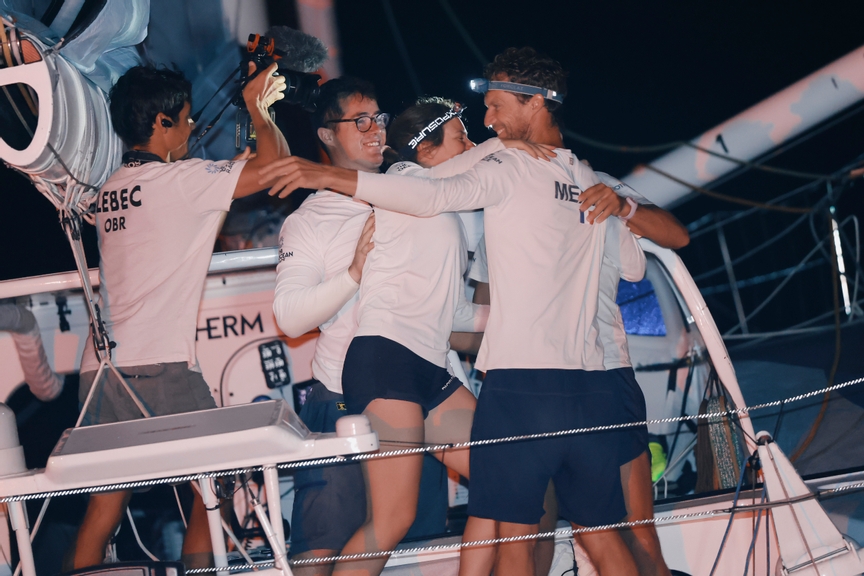
The opening hours were everything offshore racing fans could want. A punchy westerly met the fleet at the start line, driving boats onto their foils with the spectator fleet roaring alongside. Biotherm, skippered by Paul Meilhat, made the best of the conditions, reaching the Kiel Lighthouse scoring gate first to bank two bonus points before settling into a close battle with Paprec Arkéa along the Danish coast. Trimmer Amélie captured the intensity of those early miles: "We were close to the shore, dodging traffic and buoys, and the wind was all over the place. Not much rest — just short naps and constant trimming."
Paprec Arkéa, crewed by skipper Yoann Richomme alongside Corentin Douguet, Mariana Lobato, and Pascal Bidégorry, crossed the same gate in second to claim their own bonus point. Richomme was candid about the start's demands: "The start was super intense. We used a lot of energy in those first hours." Lobato offered a simpler view: "It was nicer in the 20 knots at the start, but we're pressing on — Biotherm is just ahead."
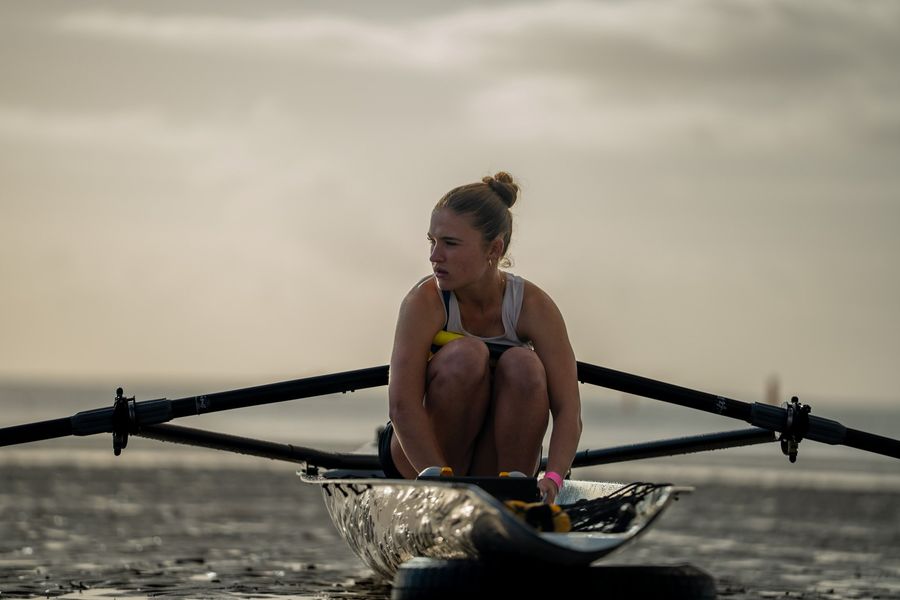
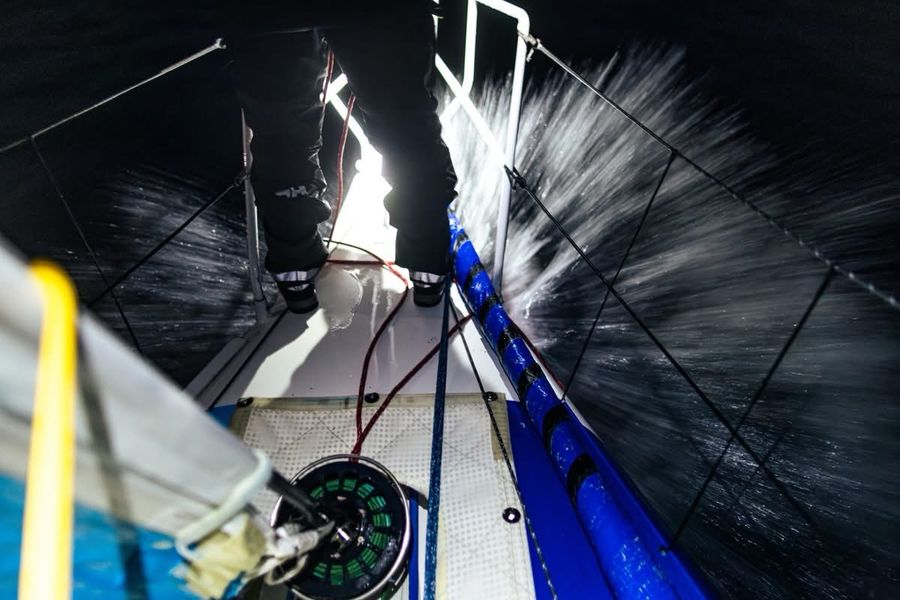
Team Malizia – Seaexplorer also got away strongly, with Boris Herrmann noting Paprec Arkéa just ahead near a lighthouse in flat, calm water. "A beautiful morning," he observed, though his off-watch coincided with a stretch of zero wind. Further back, Canada Ocean Racing – Be Water Positive, under skipper Scott Shawyer, flew past the Great Belt Bridge in Denmark at speeds touching 30 knots, while Team Amaala and Swiss skipper Alan Roura embraced the opening blast wholeheartedly. "One of the most beautiful starts I've had the privilege to experience," said Roura of those first miles in over 20 knots.
Through the Danish islands the fleet held close company, with Biotherm gradually pulling ahead as it set up for the transition into the North Sea. Paprec Arkéa kept the leader in sight from second, Malizia enjoyed a striking sunrise before the breeze returned, and Amaala worked through a night of tacks in over 20 knots before conditions began to soften.
The shift, when it came on the morning of 12 August, was decisive. A broad high-pressure ridge had settled across the North Sea, draining the wind from the course. Team meteorologist Christian Dumard laid it out plainly: "The high-pressure system has expanded, creating a ridge. As the boats move south, the westerly wind is weakening."
The 0800 position report told the story in numbers. Biotherm held an 8-mile lead over Paprec Arkéa, with Malizia a further 14 miles back. Canada Ocean Racing trailed by 41 miles, Amaala by 64.
Jack Bouttell on Biotherm was candid about the previous 24 hours: "After passing Denmark, we had a lot of tacks — really tiring. Last night the wind dropped, but we got through a little quicker than the routing predicted." On Paprec Arkéa, Lobato found reason for optimism even in the lull: "We've had some great transitions. Now the wind is down to 10 knots, but we're keeping going." Richomme acknowledged the challenge without dwelling on it: "Medium winds aren't our strong point, but we'll keep pushing."
Will Harris aboard Malizia reported the boat was "flying home now" after a tricky transition had cost them several miles, adding: "It's going to be a tense race until the very end." Christopher Pratt from Canada Ocean Racing described the light airs as "not brutal but enough to shake everyone," before identifying a silver lining: "The upside is you can take proper naps after a hard-fought battle in the light winds." Roura kept things philosophical: "These aren't our ideal conditions, but we sail seriously while keeping a joyful spirit."
{{TABLE_1}}
The ridge continued to set the tempo overnight and into the following day. With boat speeds low and gains hard to come by, crews focused on trimming, weight placement, and keeping morale intact. Paprec Arkéa reported a mood of "smiles, manoeuvres, commitment" despite two days of grinding progress. Canada Ocean Racing shifted weight forward to reduce drag, while Roura kept his crew focused on the larger picture. "We don't have the fastest boat," he said, "but we optimise the route — and that saves us. Anything can happen before the finish."
Biotherm has held its grip on the lead as the fleet closes on the southern end of the North Sea. Bouttell's account of life on board reflects the spirit the crew has sustained through a demanding leg: "Everyone gets along well, we joke and laugh. Yesterday we had a beautiful sunset with dolphins."
The final approach to Portsmouth carries its own complications. A forecast wind shift to the southeast should provide a fast reaching angle into port, but the English Channel's heavy shipping traffic and Traffic Separation Schemes will demand sharp navigation from every crew. With the top three boats still within striking distance of one another, the result of Leg 1 remains wide open.