Few lines on a chart carry the weight of 66° North. For the IMOCA fleet in the Vendée Arctique, the Arctic Circle is not just a navigational marker but a threshold into waters that competitive offshore sailing almost never visits, where daylight becomes a permanent fixture and an unbroken grey presses equally on hull and mind.
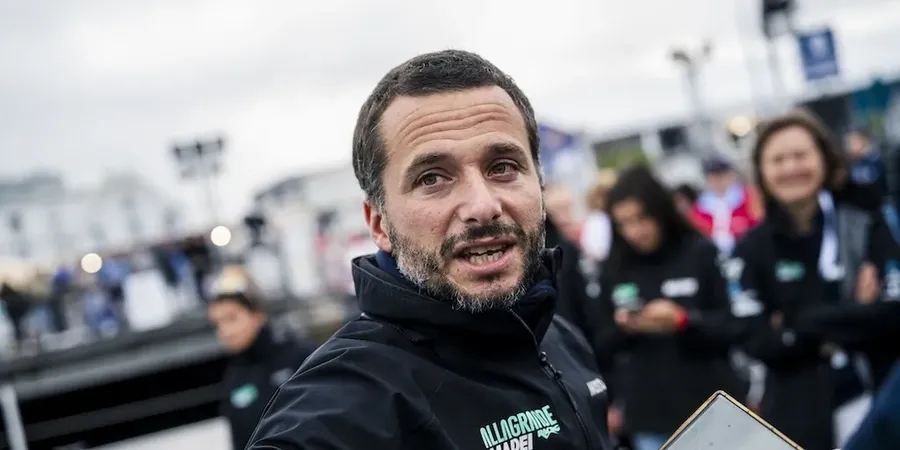
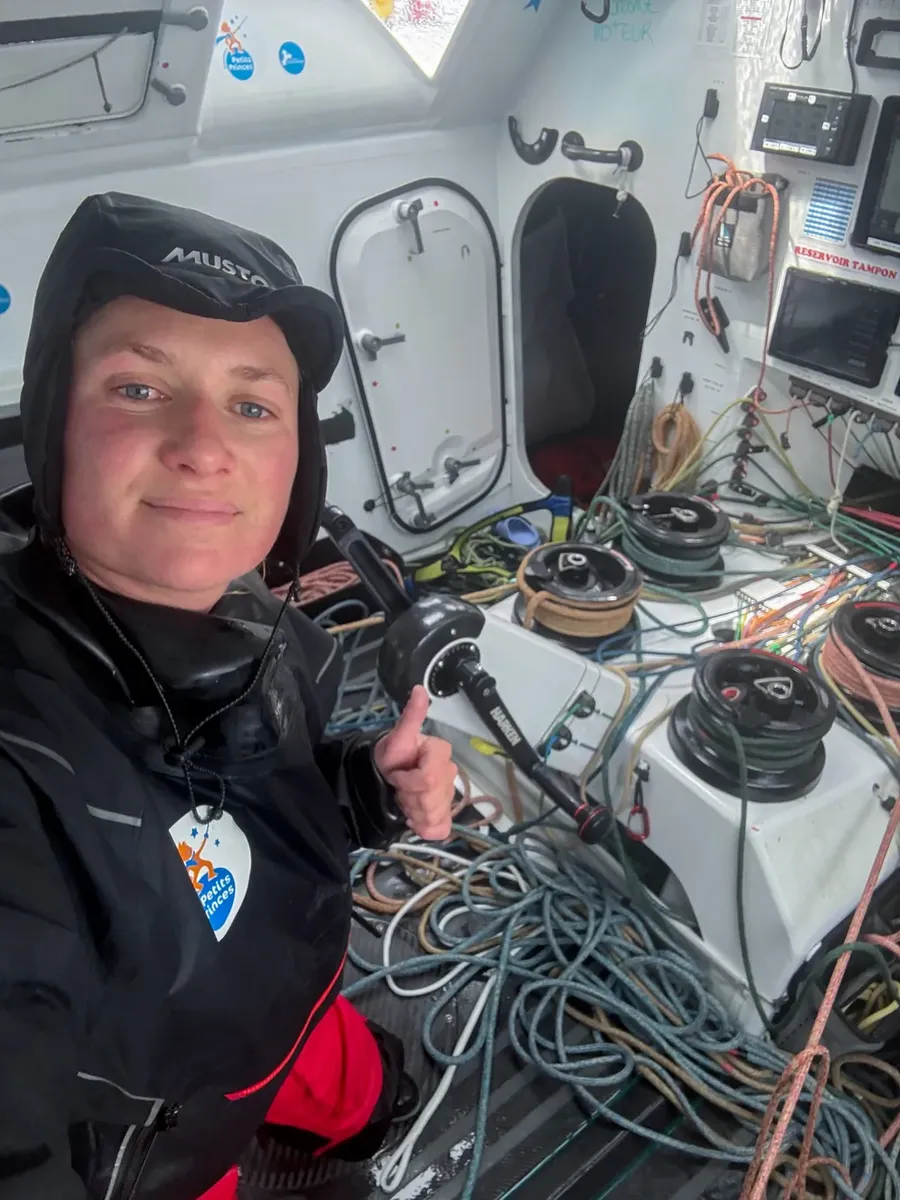
Sam Goodchild, racing aboard MACIF Santé Prévoyance, was expected to cross that boundary somewhere between 9:30 and 10:00 NZST on Thursday morning, becoming the first competitor in the race's history to reach that latitude. Élodie Bonafous on Association Petits Princes – Quéguiner was set to follow within hours. The crossing carries significance beyond ceremony. It marks the point at which strategy pivots, where the long run back south towards Les Sables d'Olonne shifts from a future consideration to an immediate one.
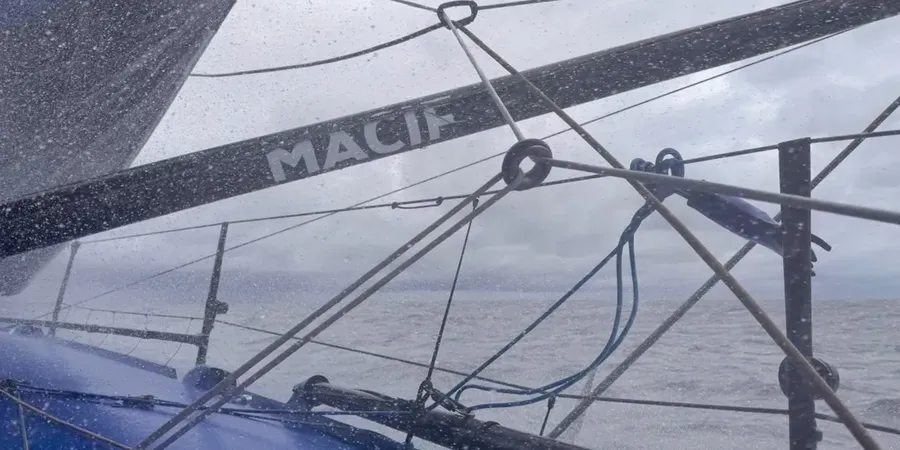
Each passing day has reshaped the race as the fleet pressed further north. The Hebrides gave way to the Faroes, and then the Arctic Circle itself came within reach. The quality of the light shifts with the latitude, the sky seeming to lower itself closer to the water while the visual world around the boats drains of contrast. "It's grey, grey, grey," Goodchild reported in the early hours. "Either fog or cloud everywhere. It genuinely feels like the Southern Ocean sometimes." The Arctic does offer one thing the Southern Ocean cannot, though: the sun simply does not go down. At 3:30 in the morning, Goodchild watched it sitting above the horizon, muted behind cloud. At midnight, or one o'clock in the morning, there is no need for a headlamp.

The cold builds gradually, yet moisture rather than temperature proves the more persistent adversary. Condensation settles on every interior surface, Goodchild reported, a pervasive dampness that disrupts rest and turns routine tasks into ordeals. Bonafous reached for her heaviest clothing days ago. "Everything is drenched or half-drenched," she said. "The humidity makes everything harder." For her, the starkness of the landscape carries something beyond mere discomfort, a quality almost threatening in its emptiness.
Skippers with Southern Ocean experience find the comparison comes naturally. The same grinding monotony, the same cold, the same sensation of sailing beyond the edges of the familiar world. This Arctic excursion, ancient and austere as it feels, will not last long. Behind the symbolism of reaching 66° North, the race is already being decided. The choices made in these colourless waters will carry consequences all the way down the downwind leg home, and the emotional charge of that historic latitude will dissipate quickly against the hard arithmetic of wind, current, and boat handling that ultimately determines who leads the fleet back into France. In offshore racing, awe and urgency are always simultaneous. The clock yields to neither.