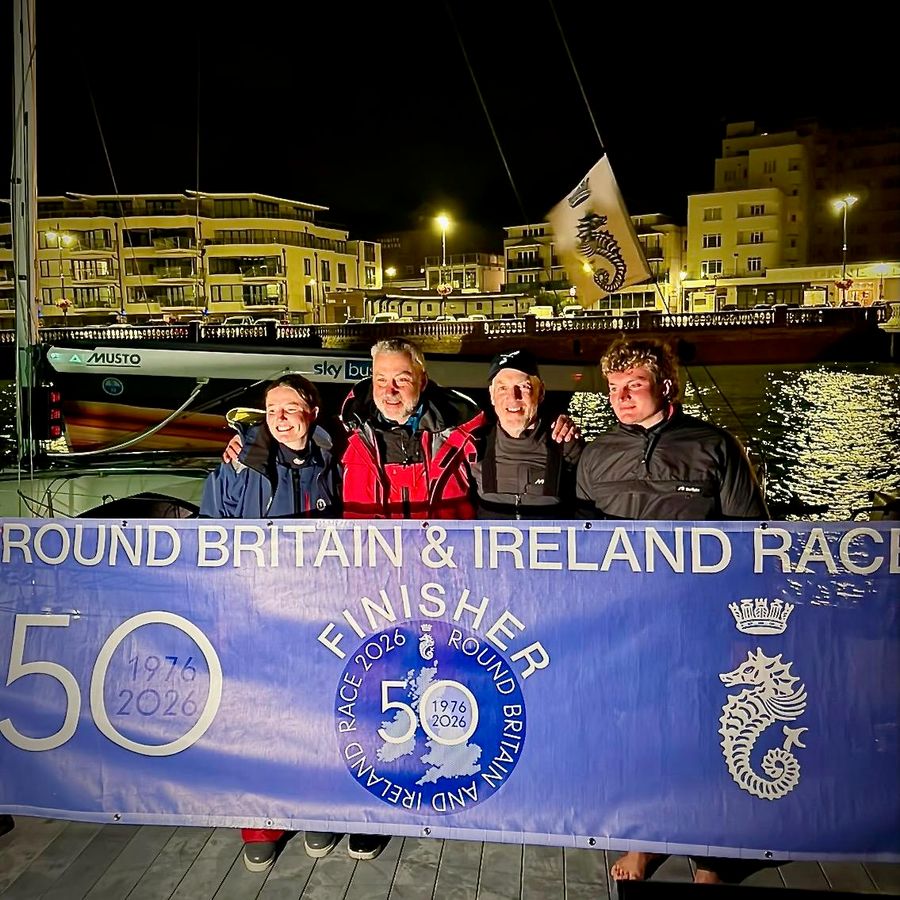
The RORC Round Britain and Ireland Race will start for the 50th time this coming Sunday, sending 33 boats and 182 sailors from 22 countries out from Cowes on a 1,805 nautical mile, non-stop lap of the British Isles. First run in 1976, it returns every four years, and among the sailors who have actually finished it, it has built a reputation as the race that changes what comes after.
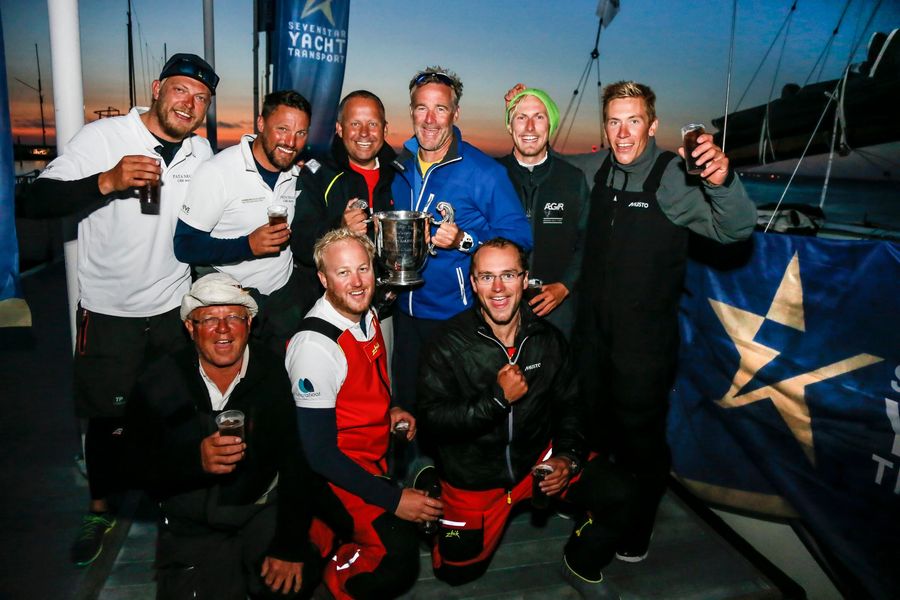
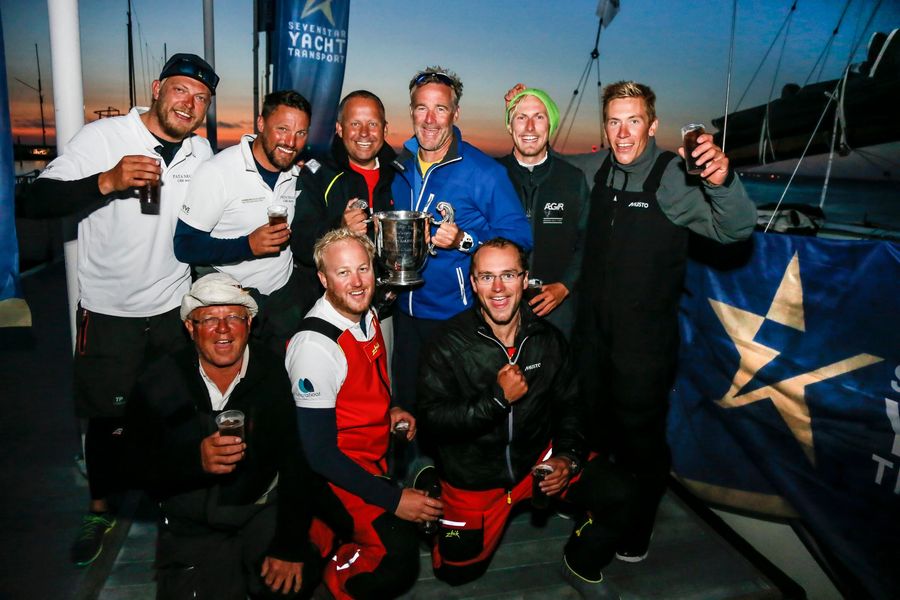
Ask Ollie Heer where his career really began and he does not hesitate. In 2018, at 30, Heer skippered Giles Redpath's Lombard 46 Pata Negra to overall victory under IRC. The win led to a job as boat captain on Alex Thomson's IMOCA Hugo Boss campaign, and seven years later Heer completed his own Vendée Globe in a little over 99 days and five-and-a-half hours. He is now building a new foiling IMOCA for the 2028 edition. "If you love offshore sailing, you have to be on the start line," he says of the race he credits with starting it all.
Richard Palmer knows a version of that feeling too. Racing double handed with Rupert Holmes aboard the JPK 1010 Jangada in 2022, Palmer won the race outright under IRC by seven minutes on corrected time after nearly two weeks at sea, one of the closest finishes in its history, decided by hundreds of small choices rather than one big move, as competitors tracked each other for tens of miles on AIS through a prolonged high pressure system. Jangada went on to win the RORC Season's Points Championship that year. Palmer and Holmes are now racing round the world together in the Globe40. Speaking by satellite from the Bass Strait in December, 23 days into a 5,000 nautical mile leg from Réunion to Sydney and battling six metre seas, Palmer still returned unprompted to the race that got him there.
The course itself explains why it leaves a mark. It opens like a Rolex Fastnet Race before unfolding into something nearly three times as long: the west coast of Ireland for the Atlantic swell, then Cape Wrath, tidal gates and overfalls where ocean sailing turns into highly tactical coastal work and back again, all before the long beat home through the North Sea. Few offshore races ask a crew to shift gears that many times in a single non-stop circuit.
Five sailors have taken the John Illingworth Trophy for IRC overall since the race adopted its current non-stop format, and the outright records still standing from the storm-lashed 2014 edition, Musandam-Oman Sail's MOD70 in 3 days 3 hours 32 minutes 36 seconds, and Ian Walker's VO65 Azzam setting the monohull mark of 4 days 13 hours 10 minutes 28 seconds, give some sense of how fast the fastest boats have gone around a course that regularly takes slower ones two weeks or more. (Note: While Derek Saunders won the trophy in 2000, that edition was held before the strict unassisted non-stop rule was permanently instituted in 2006.)
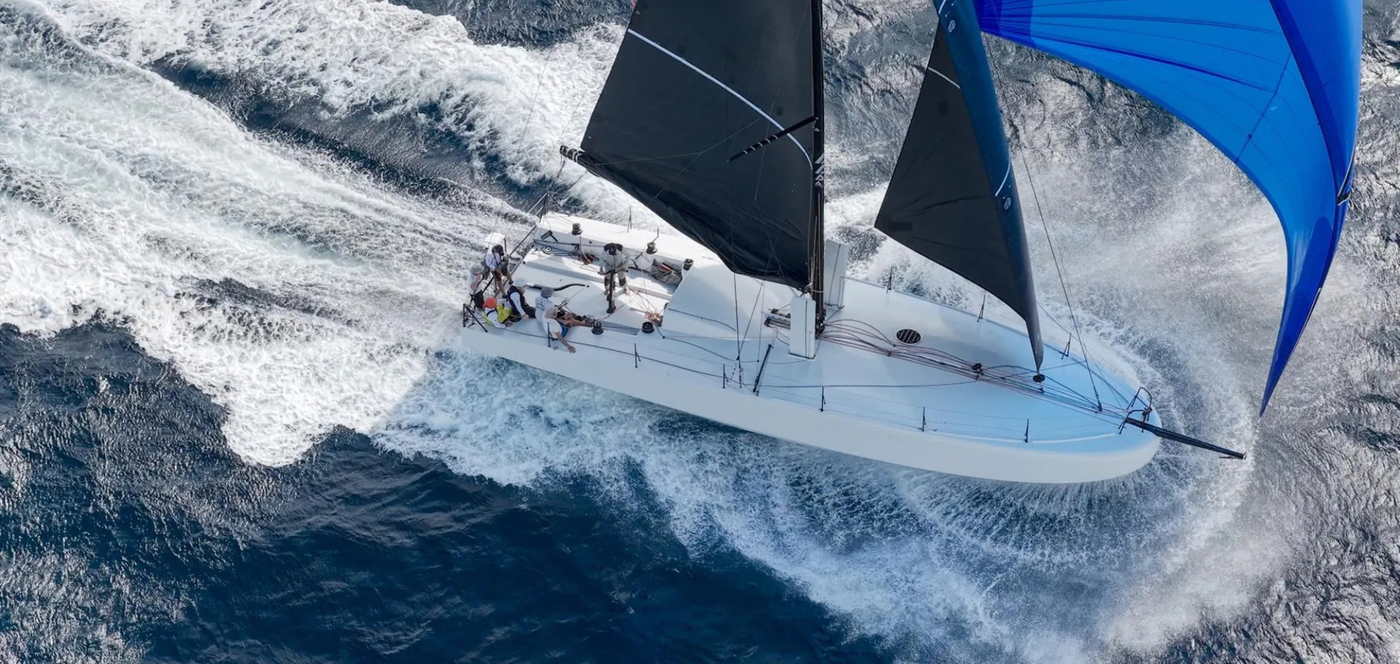
New Zealand's interest in the 50th anniversary is a direct one. Wellington sailor Oakley Marsh and four time Volvo Ocean Race winner Stu Bannatyne are the only two Kiwis in this year's fleet, racing for rival boats in IRC Zero. Go Boating New Zealand will be following both through the start.