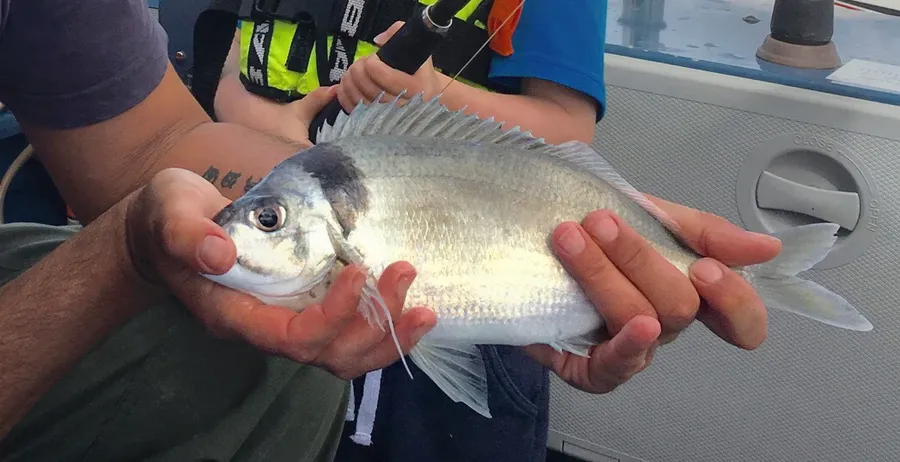
Recreational fishers face a new nationwide daily limit of 10 tarakihi per person after Oceans and Fisheries Minister Shane Jones announced significant cuts to both commercial and recreational allowances.
The reductions form part of a twice-yearly review covering 22 fish stocks. The western tarakihi fishery bears the heaviest burden, with commercial limits dropping roughly 55 percent. The eastern fishery takes a 20 percent cut.
Jones says the measures aim to ease pressure on stocks and improve recovery prospects while keeping fisheries open at reduced levels. He notes that approximately 95 percent of commercially caught tarakihi is consumed domestically, making stock health a matter of national interest.
The Ministry for Primary Industries will monitor outcomes closely. A scientific stock assessment for east coast tarakihi is scheduled for 2027, with the west coast assessment to follow in 2028.
Butterfish also face tighter restrictions. Commercial limits and allowances have been reduced, and recreational fishers are now limited to five butterfish daily, reflecting concerns about habitat pressure.
Some stocks see increased allowances where science supports it. North Island east coast snapper and trevally (East Cape, Hawke's Bay and Wellington), South Island east and south coast leatherjacket, and deepwater species including frostfish and blue mackerel all receive higher limits.
Further reductions apply to stargazer and ling on the West Coast and top of the South Island, plus shortfin eel, pāua, elephant fish and other pressured stocks.
Jones has also adjusted deemed value rates—the fees for exceeding annual catch entitlements—for six stocks. Rates rise for school shark (Southland), parore and yellow-eyed mullet (upper North Island), and fall for school shark on the South Island's east coast.
"My decisions consider both sustainability and utilisation of our fisheries resources," Jones says. "It makes sense to allow fishing where there is no sustainability concern, but where evidence shows otherwise, we need to give the stock time to recover to make sure there are plenty of fish in the water for future generations to enjoy."
For anglers and operators wanting the finer detail behind each of the 22 stock changes, MPI has published the full decision letter and a stock-by-stock breakdown on its website.