The 80th Rolex Sydney to Hobart Yacht Race has entered an overnight phase with front-of-fleet positions tightening and both corrected-time competitions undergoing significant change as the fleet pushes south.
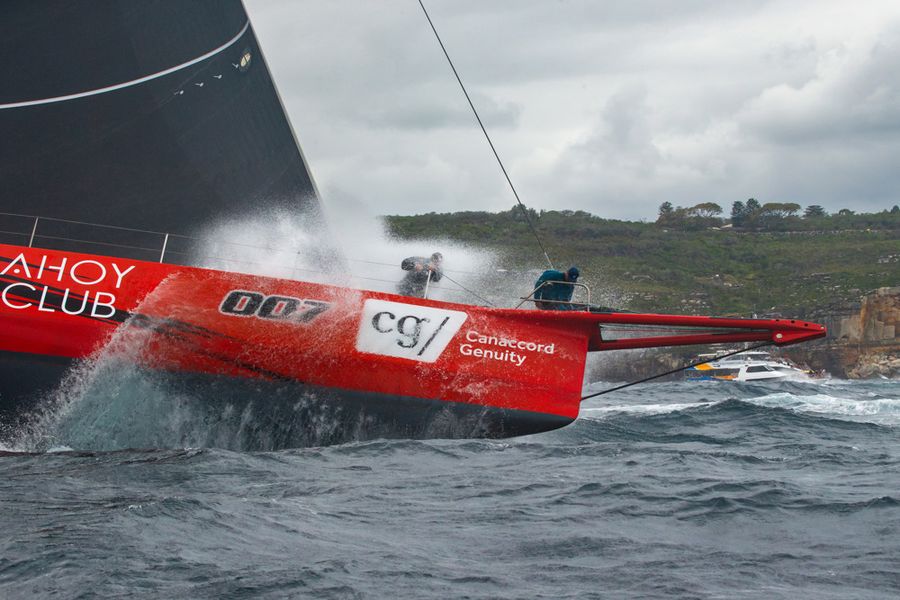
Master Lock Comanche has retained first place after moving into the lead the previous day, currently tracking parallel with Tura Beach with 438.6 nautical miles remaining to Hobart. The gap between her and second-placed LawConnect stands at just 2.4 nautical miles, a margin that has widened slightly through the night but which, as earlier stages of this race demonstrated, can dissolve rapidly with any shift in pressure, routing, or sail selection.
The top five reflects how little separation has developed across a full night of offshore racing. SHK Scallywag, a Dovell 100 navigated by Will Oxley, holds third place, 8.2 nautical miles off the leader. Lucky sits fourth, nine nautical miles behind Master Lock Comanche, maintaining consistent pace and staying connected to the front group. Although Lucky races under American ownership, she carries strong New Zealand interest, with Brad Butterworth directing race strategy aboard a largely Kiwi crew. Palm Beach 11 rounds out the top five at 13.5 nautical miles off the pace. Five boats remaining within that range after a full night at sea points to how evenly matched the leading fleet has been.
Wild Thing 100 retired overnight following forestay damage, withdrawing at sea and effectively advancing the remainder of the fleet one position in the standings.
For New Zealand supporters, Callisto remains the leading New Zealand-flagged entry. Following Wild Thing 100's retirement, she sits 10th for line honours, 59.4 nautical miles behind Master Lock Comanche. She has not threatened the lead group, but she has held her position within the upper reaches of the fleet rather than losing ground overnight, which matters as the miles accumulate. Further back, Vixen Racing is running 64th, while Gizmo has closed the gap through the night and now sits one place behind in 65th. Both remain within the central pack rather than drifting into isolation.
The corrected-time picture has shifted considerably since the race began. On IRC, Celestial V70 now leads the standings, with URM Group second and Lucky third. That marks a clear change from the early hours, when none of the larger offshore designs featured inside the top ten. Sustained overnight pressure and improved velocity made good have allowed those bigger boats to convert raw pace into corrected-time gains, bringing them back into contention as the race lengthens.
{{TABLE_1}}
On PHS, Wild Oats leads, followed by Alithia, with Maritimo 100 dropping back to third from second. The change reflects a tightening mid-fleet rather than any meaningful loss of pace from Maritimo 100, with more settled overnight conditions reducing the variability that had initially suited her consistent, measured approach.
{{TABLE_2}}
Among the more notable performances overnight is Maritimo 100, owned and skippered by Bill Barry-Cotter. She sits 22nd overall with approximately 513.8 nautical miles remaining. Built as a luxury motor yacht rather than a purpose-designed offshore racer, her standing in the fleet is a product of disciplined sailing, reliability, and careful race management rather than outright boatspeed. Her sistership, Maritimo Katwinchar, is currently 111th with 553.2 nautical miles still to sail. Despite the numerical difference between their leaderboard positions, the two boats are separated by only around 40 nautical miles on the water, underlining how tightly bunched the mid-fleet has become.
Attrition to this point has been limited. Wild Thing 100 withdrew at sea following rigging failure, Arwen retired after suffering a broken forestay, and Hutch's Year Baby retired at port and did not take the start.
With the leaders still more than 400 nautical miles from Hobart, the 80th Sydney to Hobart remains far from resolved. The fleet is largely intact, the gaps at the front are small enough to be closed within a single good watch, and the race continues to be defined by precision rather than separation.