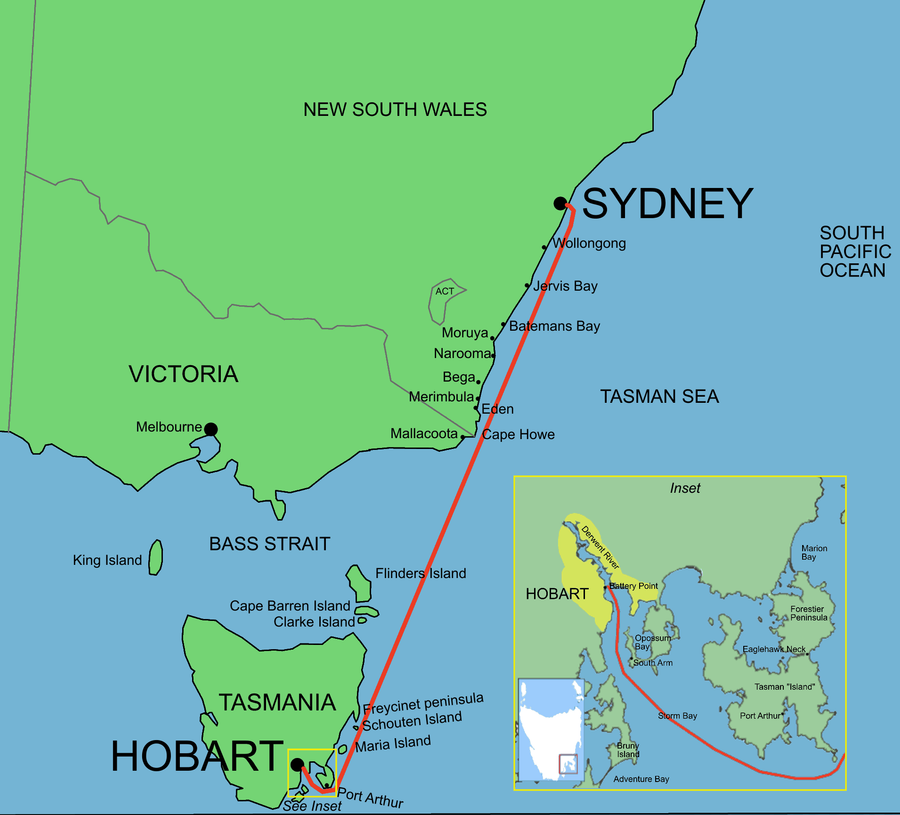
The Sydney to Hobart is a race that keeps its cards close. In the quarter-hour following the start gun, the fleet was still taking shape rather than finding its rhythm, and what played out as boats cleared Sydney Heads amounted to a collection of early indicators rather than anything conclusive. Positioning, the choice of canvas, and how each crew coped under pressure provided the first hints of what might come, even with more than 600 nautical miles still ahead.
Inside the harbour entrance, the conditions were quietly treacherous. The wind eased in the lee of South Head, dropping to around 15 knots and arriving in patchy, uneven gusts. Boats punched through a short, uncomfortable chop while hunting for the steadier offshore flow waiting beyond the Heads. Once outside, the sea told a different story altogether. A lumpy seaway was already running, with three to four metre swells forecast to build through the afternoon.
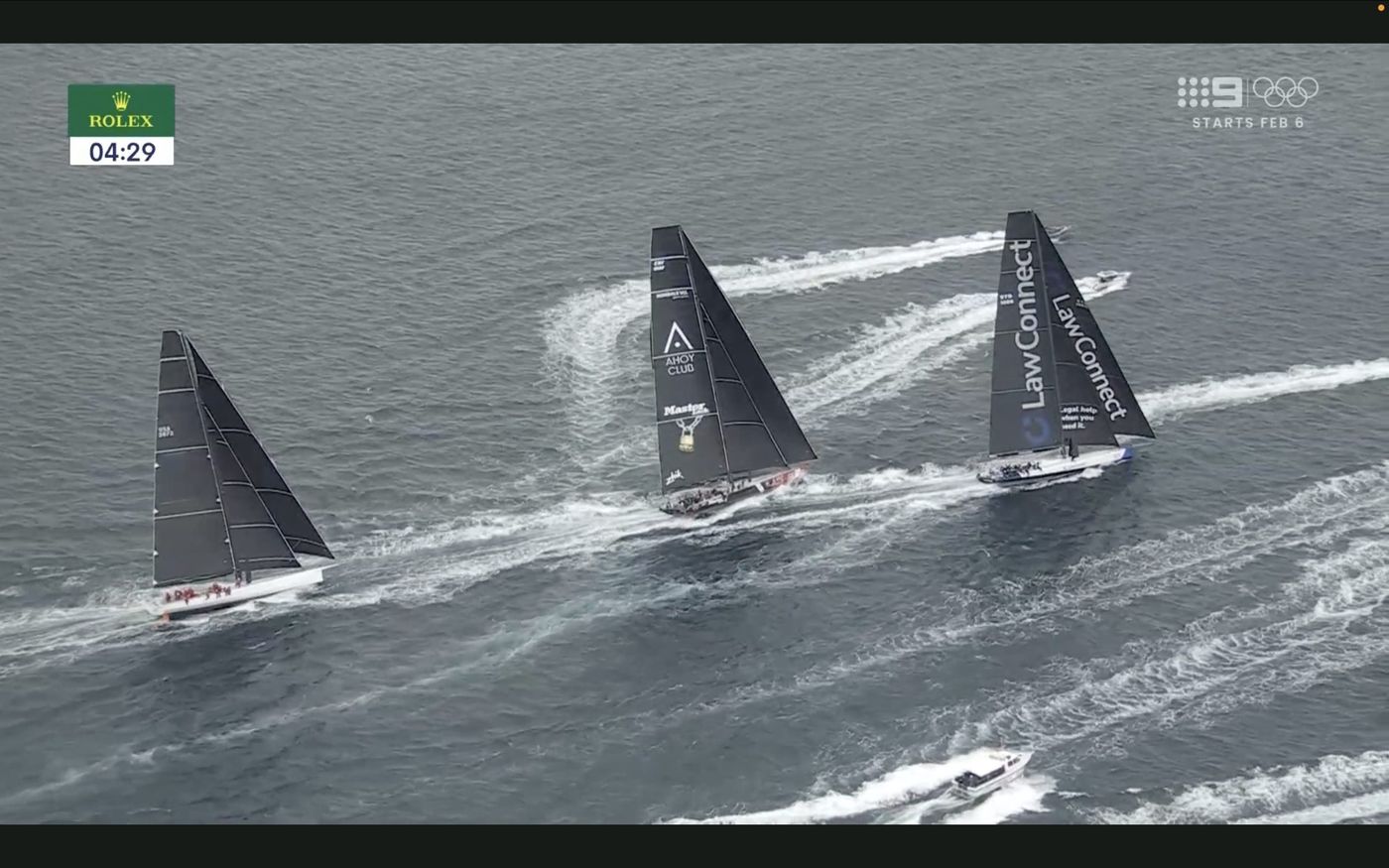
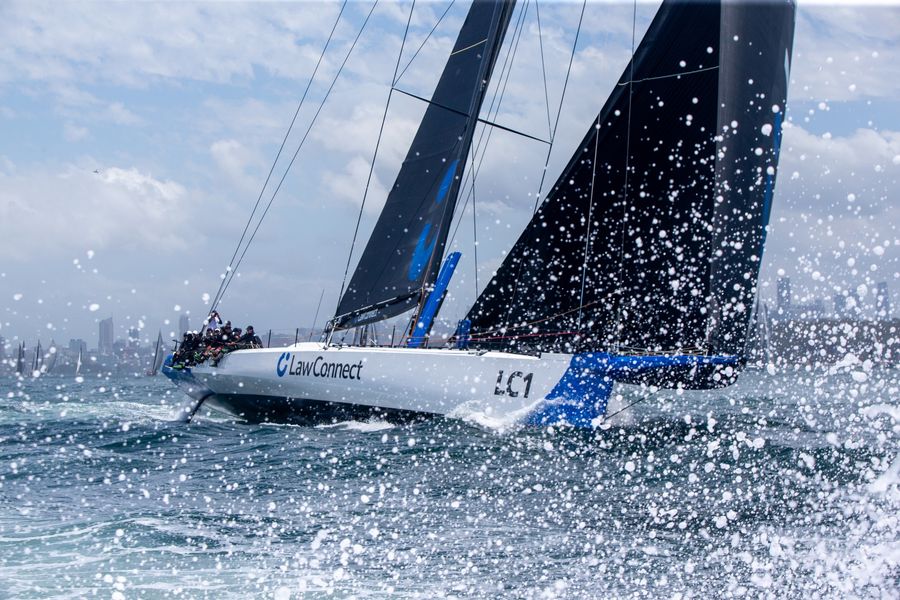
LawConnect was first to the initial turning mark, rounding in just under six minutes. That time sat outside the benchmark Comanche established in 2014, though the emphasis for LawConnect's crew appeared to be on composure rather than clock-watching. The boat looked tidy and controlled, clearly prioritising early command of the race over raw pace.
Master Lock Comanche followed close behind, though she did not simply shadow LawConnect's line. Instead, she began exploring a slightly lower angle offshore, giving up some height in exchange for boat speed. The margin between the two was slim, a matter of boat lengths, yet the contrast in strategy was evident from the very start.
Lucky rounded next and continued to make an impression. Despite conceding significant waterline length to the super maxis, she moved through the water with a confident, upright posture, well balanced and clearly at home in conditions that might have unsettled lesser campaigns. She held her place firmly as the fleet pushed out into open water.
Palm Beach 100 came through next, sailing a conservative but well-executed race. A reef was already in, and the sail handling was clean and unhurried. The focus appeared to be on protecting the boat and keeping things tidy, a sensible approach given what the offshore sea state was promising to serve up.
SHK Scallywag drove away to leeward with purpose, while Wild Thing 100 settled in behind her. Not far back, URM Group and No Limit demonstrated how potent the mini maxi class has become, staying in contact with boats that held a meaningful size advantage over them.
Up at the front, while the order looked organised, the opening minutes were far from serene. A number of boats found themselves underpowered inside the Heads as the breeze thinned and the fleet bunched. Those left to leeward suffered most, trapped in disturbed air with little room to manoeuvre.
Sail handling was also tested early. Master Lock Comanche lost valuable time working to retrieve a reaching sail from the bow, and Vixen ran into difficulty trying to set a spinnaker, appearing to have a jam near the head of the sail. The result for both was lost momentum and a slow drift rearward as pressure faded around them. Problems like these may appear small in isolation, but the Sydney to Hobart has a long history of turning minor setbacks into significant ones, particularly once the weather takes the wheel.
As the leaders rounded the outer mark and the fleet began to transition, the character of the race shifted again. From reaching, boats moved to sailing higher, setting up for what is expected to be a demanding upwind passage lasting well into the following two days. LawConnect emerged from the mark with a slender lead, two to three boat lengths clear of Comanche, but with no sense of anything decided.
What the opening fifteen minutes had revealed, though, were tendencies. LawConnect preferred control. Comanche wanted to apply speed and chase. Lucky had shown she belonged at the front of this fleet. Palm Beach 100 was clearly thinking well beyond the first hour, sailing with discipline and an eye on the longer game.
The race was not settled. It was still, really, only just introducing itself.