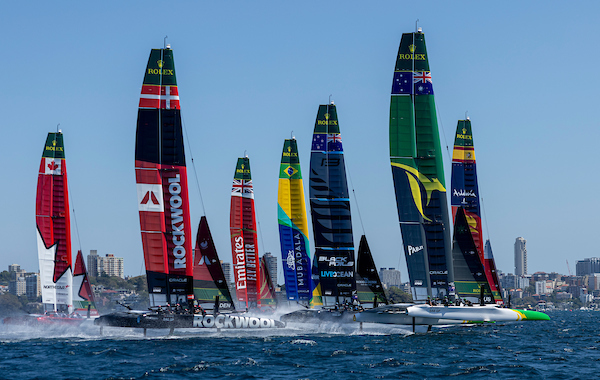
Sydney Harbour has a way of cutting through pretension. It rewards conviction and punishes hesitation, and when F50 foiling cats are crossing at close to 100 km/h with headlands squeezing the course, any lapse in judgement tends to compound fast. The 2026 Sydney SailGP regatta arrives with a changed cast and a few fresh wrinkles, and shapes up as one of the more intriguing weekends of the season.
The absence shaping everything else involves both the Black Foils and DS Team France. Their collision in Auckland ended both campaigns for that event and left significant repair work in its wake. Before the Auckland penalty was applied, New Zealand had accumulated 18 regatta points and France sat just behind on 17. The eight-point deduction reshuffled the standings sharply. France, had the weekend unfolded differently, would very likely have made the final. Neither team lines up in Sydney, and that gap in the fleet opens genuine opportunity for those presently hovering outside the podium positions.
The U.S. team, currently fifth overall, has looked more composed and settled this season than in previous campaigns. Spain, returning after earlier difficulties, will be chasing the kind of result that restores momentum. With two prominent programmes absent, the mathematics of the championship table shift in ways that could benefit either.
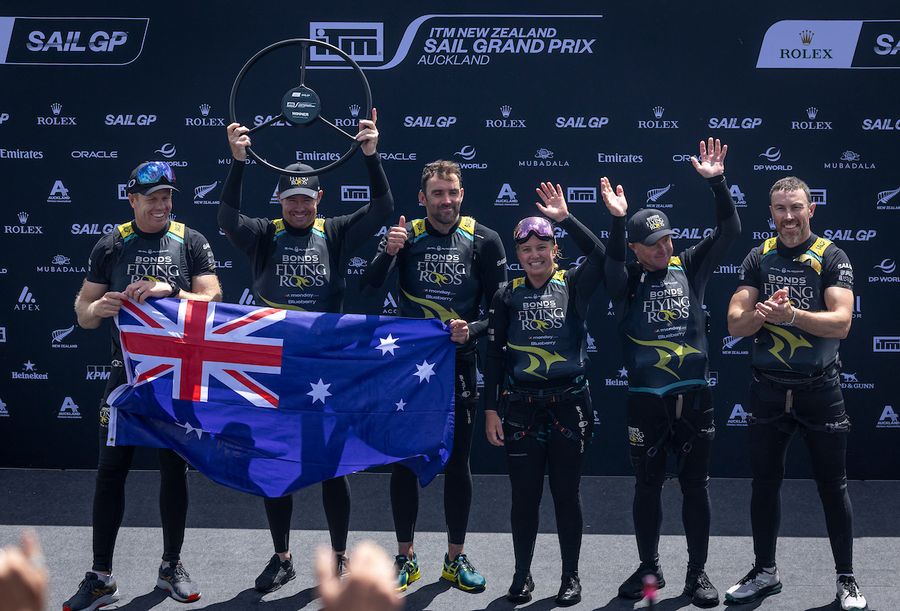
Leading that table are Tom Slingsby's BONDS Flying Roos, who arrive in Sydney having placed second in Perth and claimed victory in Auckland. Their 2026 form makes them the obvious benchmark, and their record in this city only reinforces that status. Across five previous Sydney editions, the Australian team has won three times and stood on the podium at every one. Familiarity with the venue counts for something, though Slingsby would be the first to note that past results evaporate the moment the start gun fires.
What the harbour offers is a course that compresses quickly. Headlands funnel gusts in and then swallow them without warning. Boundaries loom sooner than charts suggest. The fleet converges at high speed with little room between boats, and a misjudged cross can carry a team backwards through an entire race. Sydney does not offer much in the way of forgiveness.
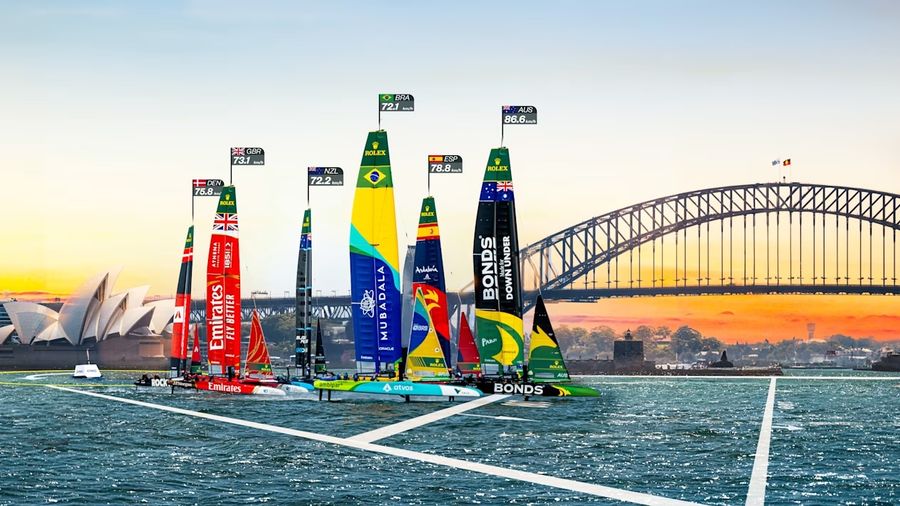
This edition adds a timing change that is new for the venue. Racing will begin at 5.30pm local time, making it the first occasion Sydney has hosted SailGP under a twilight schedule. Foiling at those speeds in late afternoon light is one thing; doing so as the land cools and the sea breeze begins to shift is another. Pressure lines move. Gusts roll down from headlands and then ease off unpredictably. Wind patterns in that transitional part of the day rarely settle into anything steady, and crews already managing ride height and boat speed will have one more variable to account for.
Artemis SailGP, sitting fourth overall after a fourth place in Perth and a fifth in Auckland, arrives with a roster of sailors well known across the circuit. Nathan Outteridge has stood on a Sydney podium before, wearing different colours, and his understanding of how the harbour behaves in different conditions is genuine. Through two events, Artemis has found its footing quickly. The team is competitive without looking rushed, which is often the harder thing to achieve in a new campaign.
Sydney in 2026 comes with a reduced fleet, a changed championship picture, and racing that begins as the afternoon light softens. The harbour, as always, will find the teams that hesitate. Those prepared to commit early tend to leave with something to show for it.