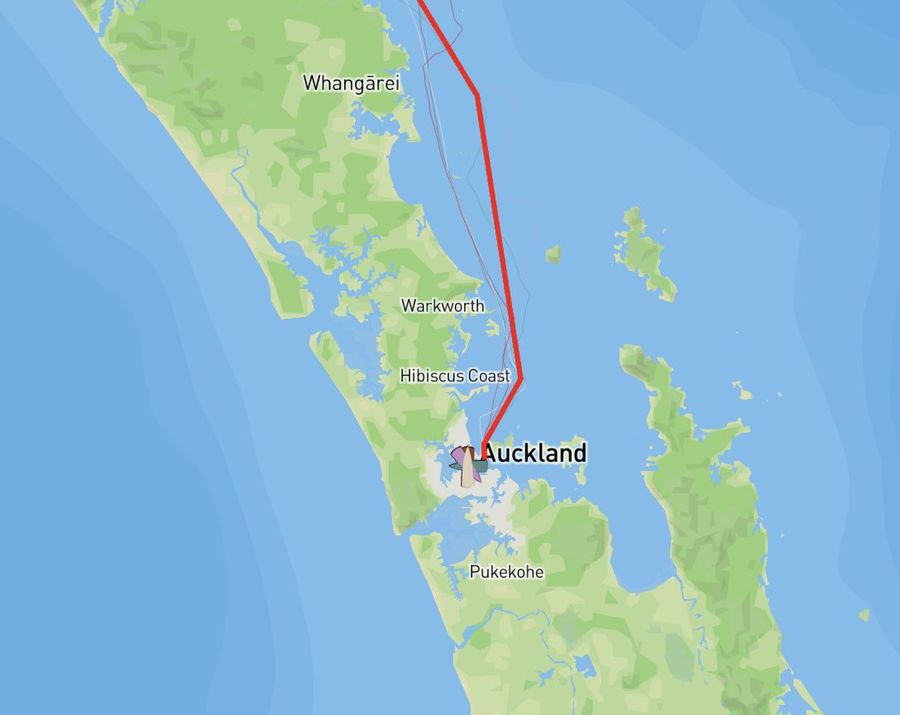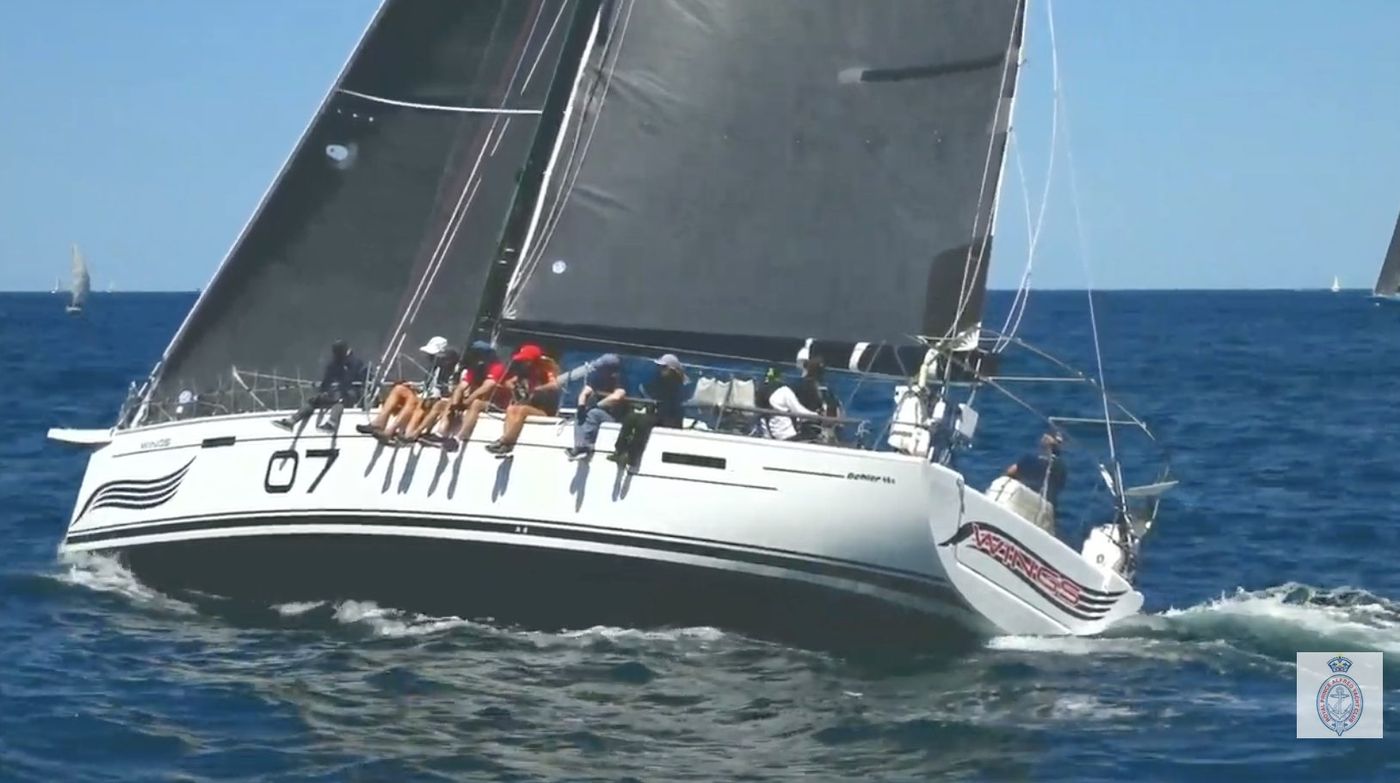
The forecast for Saturday's Sydney to Auckland Ocean Race 2025 points to an opening stretch that will demand both nerve and speed. Race meteorologist Dr Roger Badham, known to sailors as "Clouds," has mapped out a complex meteorological picture for the 1,250-nautical-mile crossing, one that promises early fireworks before testing crews with a very different challenge in the days that follow.
"Competitors can look forward to a fast and lively start powered by strong north-westerlies," Badham said ahead of the race. "The challenge will come later in the week when lighter, variable winds develop as high pressure builds toward New Zealand."
The fleet will leave Sydney under a west-northwest flow spanning from New South Wales all the way to New Zealand, a regime Badham expects to hold until Monday, 13 October. A cold front moving off the NSW coast on Monday will then sweep across the Tasman, arriving at the North Island by Tuesday afternoon. In the hours before that front arrives, crews can expect north-westerlies of 25 to 30 knots, which will ease and shift southwest once the change passes through.
Midweek brings a different puzzle. A high-pressure system is forecast to build over the western Tasman and drift slowly east, ushering in more settled, lighter conditions for the approach to New Zealand. A further front is predicted to reach the North Island early the following week, though most of the fleet is expected to have already finished by then.
The East Australian Current adds another dimension to the early stages, running eastward between 153°E and 159°E. That warm, fast-moving stream could provide a useful boost as yachts push offshore from Sydney, though Badham cautions that once the fleet is out into the Tasman, wind strategy will carry more weight than any current advantage.
Forecast models show some variation in how hard the pre-frontal conditions will blow. The GFS model predicts stronger pre-frontal winds than its European ECMWF counterpart. Working from the more conservative EC model, expected race times range from just under three days for the Juan K 52 Lucky to around six days for Cooloola, one of the fleet's heavy-displacement entries.
Race Director Nick Elliott set the tone at Friday's Skippers' Briefing at the Royal Prince Alfred Yacht Club, describing what lies ahead as "a proper Tasman crossing — fast, tactical, and full of decisions." He told assembled crews the outlook was an exciting one. "There'll be pressure early and choices later, with the transition into lighter airs demanding precision and patience," he said.
The Sydney to Auckland route has a reputation for delivering exactly this kind of layered challenge: a wild, pressure-filled departure from Australia, a mid-ocean phase where positioning and patience matter enormously, and a careful approach to New Zealand that rewards seamanship as much as pace. Whether aboard powerful 52-footers like Lucky or Corinthian entries tackling their first trans-Tasman passage, every crew will need to read the weather as carefully as they read the sails.
By the time the fleet makes landfall in Auckland, the new high should have settled over the North Island, offering a calmer arrival. The stories from the crossing, though, will be anything but calm.