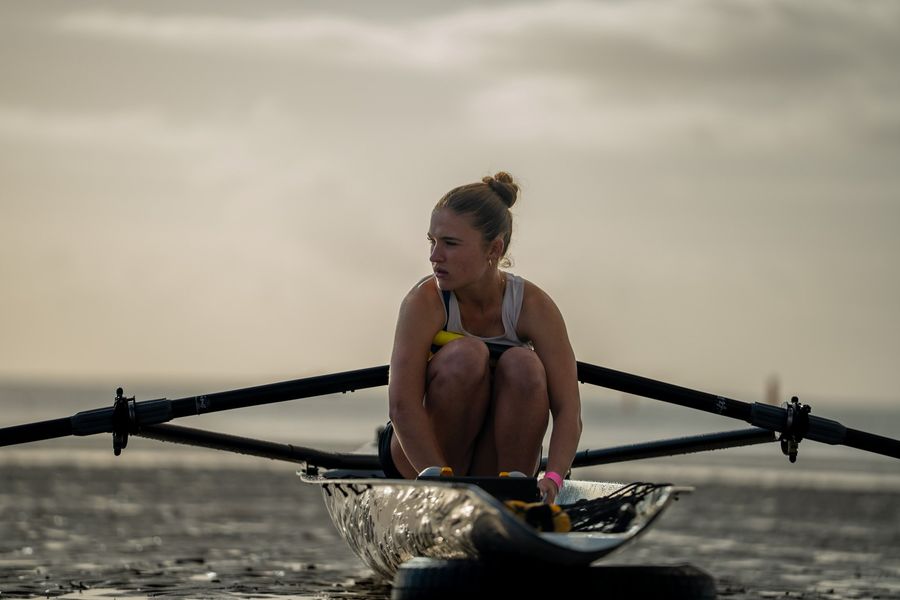
Waikato Regional Council (WRC), backed by funding from Biosecurity New Zealand, has launched a peninsula-wide awareness campaign this summer targeting the spread of exotic caulerpa along the Coromandel coast. Summer ambassadors are being deployed at boat ramps, campgrounds, and community events across the region.
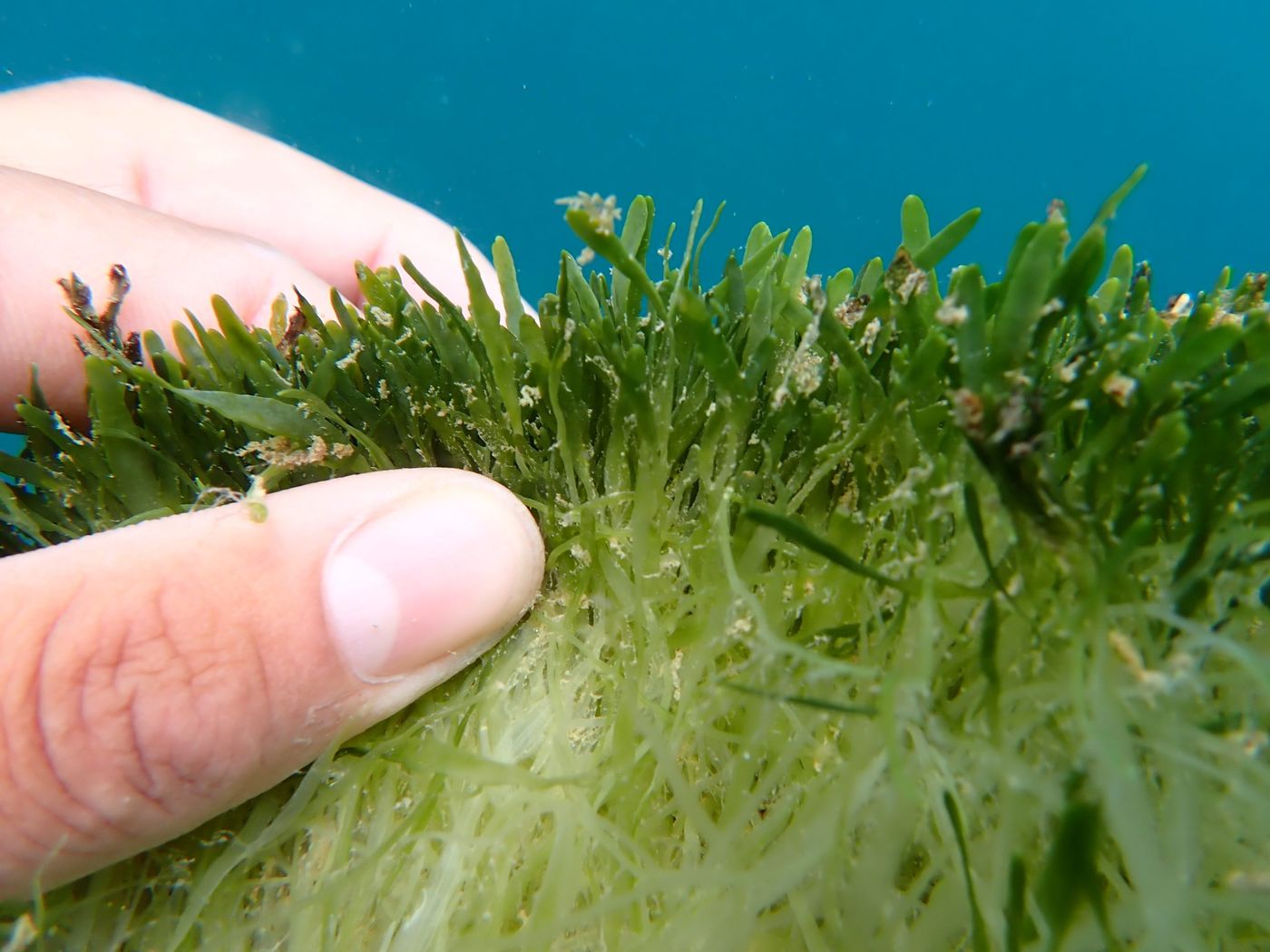
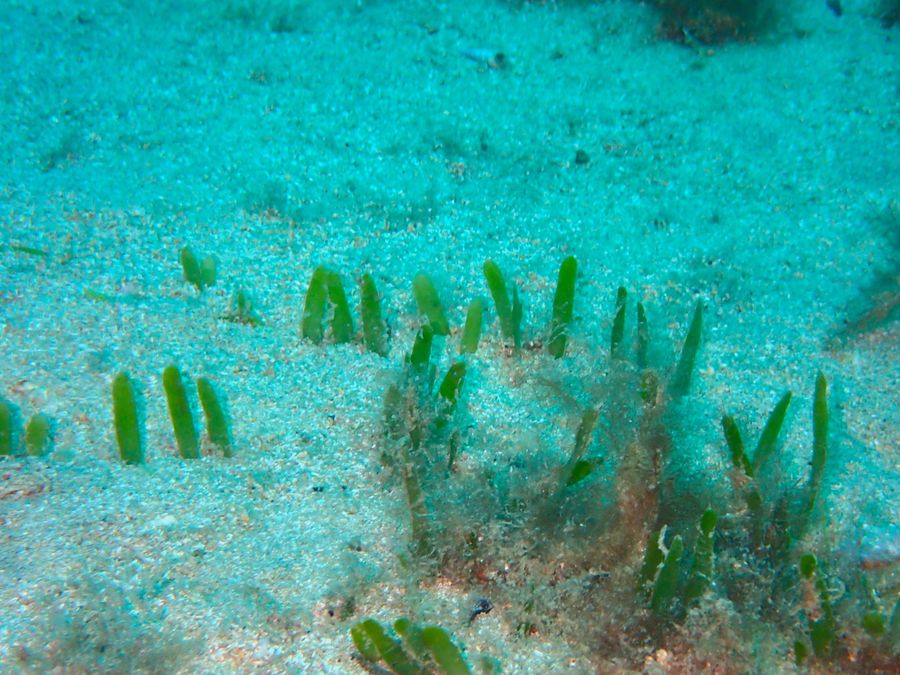
Two closely related species, Caulerpa brachypus and Caulerpa parvifolia, are present in New Zealand waters and are collectively known as exotic caulerpa. The pest was first detected in 2021 at Aotea, Great Barrier Island, and has since been confirmed in Northland, Auckland, and the Coromandel Peninsula. Known infestation sites on the Coromandel include Ahuahu Great Mercury Island, Repanga Cuvier Island, and a stretch of northern Coromandel coastline running between Fantail Bay and Square Top Island.
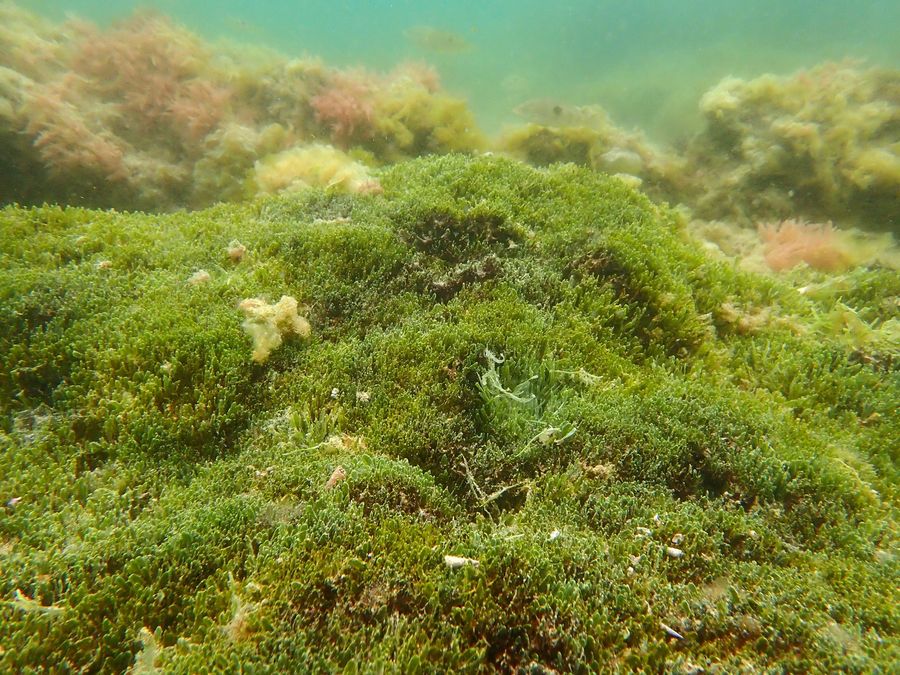
Left unchecked, exotic caulerpa forms thick, smothering carpets across the seabed that crowd out native habitats and displace the marine life that depends on them. The effects extend beyond ecology, with iwi and hapū facing direct impacts on taonga species whose health and presence are tied to those same coastal environments.
WRC is coordinating its response alongside local iwi, Thames Coromandel District Council, DOC, and MPI. A single fragment clinging to an anchor, a length of chain, or a piece of uncleaned diving equipment is enough to carry the pest to a previously unaffected location. No method has yet been proven capable of successfully eradicating exotic caulerpa once it takes hold at a site.
The campaign is reaching beyond the water's edge as well. Videos are screening in cinemas, and an online learning module has been made available in selected dive shops, giving divers something to engage with while their tanks are being filled. Preventing further spread depends on everyone who uses the water taking personal responsibility.
There are several practical steps boaties and divers can take. Before leaving any location, anchors, anchor chains, and all equipment that has been in the water should be checked carefully for tangled or attached seaweed. Even where an automatic retrieval system is fitted, a visual check remains worthwhile. Any seaweed found should be removed, secured in a bag or container so it cannot re-enter the water, and taken ashore for disposal in a rubbish bin. Sharing the message with fellow boaties and divers helps extend the reach of the campaign, and further information is available through WRC and Biosecurity New Zealand's websites.