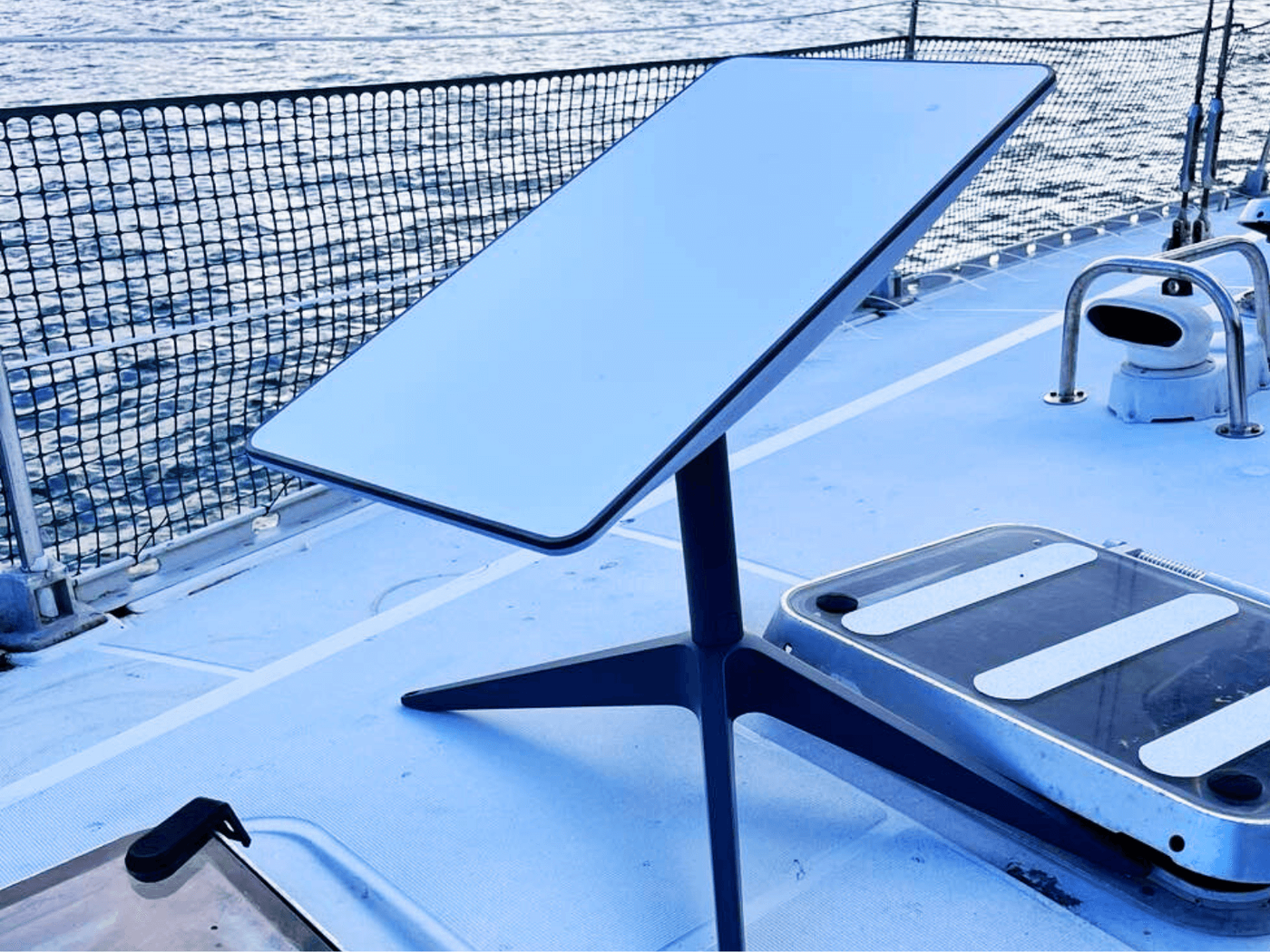
Starlink has widened eligibility for its Personal Maritime plan, raising the vessel length limit from 40 feet to 60 feet following sustained pressure from the cruising community.
The change was made quietly via an edit to Starlink's service plan agreement, first spotted by a Facebook user and reported by PCMag on 5 September. The relevant clause now prohibits watercraft exceeding 60 feet in length overall, up from the original 40-foot restriction.
The plan launched on 27 August with the lower cap, immediately drawing criticism from long-distance cruisers who argued the cutoff excluded common offshore boats. Fifty-foot vessels are standard among couples and families making serious passages, and many well-found cruising boats sit above 40 feet without approaching superyacht territory.
Among the more prominent critics was Riley from La Vagabonde, whose public appeal to Starlink, SpaceX and Elon Musk became widely shared. Closer to home, Viki from New Zealand's Island Cruising had already secured plan approval for a 45-foot boat weeks earlier, suggesting enforcement of the original limit was inconsistent even before the formal change.

The plan itself was rolled out quietly via email invitation rather than a public announcement, and the revision followed the same low-profile pattern.
The core terms remain unchanged: $185 USD monthly (a $10 premium over standard Roam Unlimited), unlimited data within 12 nautical miles of coastlines, and no 30-day international travel limit. Ocean Mode for use beyond territorial waters now costs $6 per GB, up from $2—a steep increase affecting both Personal Maritime and Roam Unlimited users.
The plan is still not publicly listed on Starlink's website. Eligible owners must receive email invitation or request access via support ticket, supplying vessel name, flag state, length overall, hull identification number, MMSI or similar identifier, and registration certificate. Commercial and land use remain excluded.
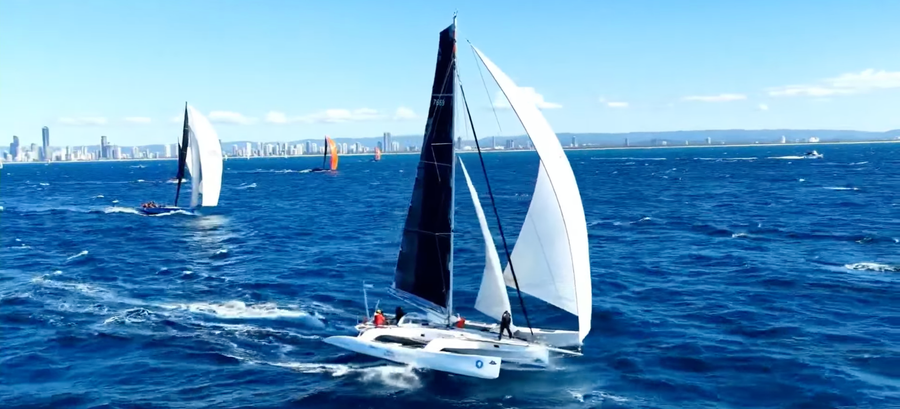
The 60-foot threshold brings many production catamarans and blue-water monohulls into eligibility, though cruisers planning extensive offshore passages face significantly higher data costs under the revised Ocean Mode pricing.