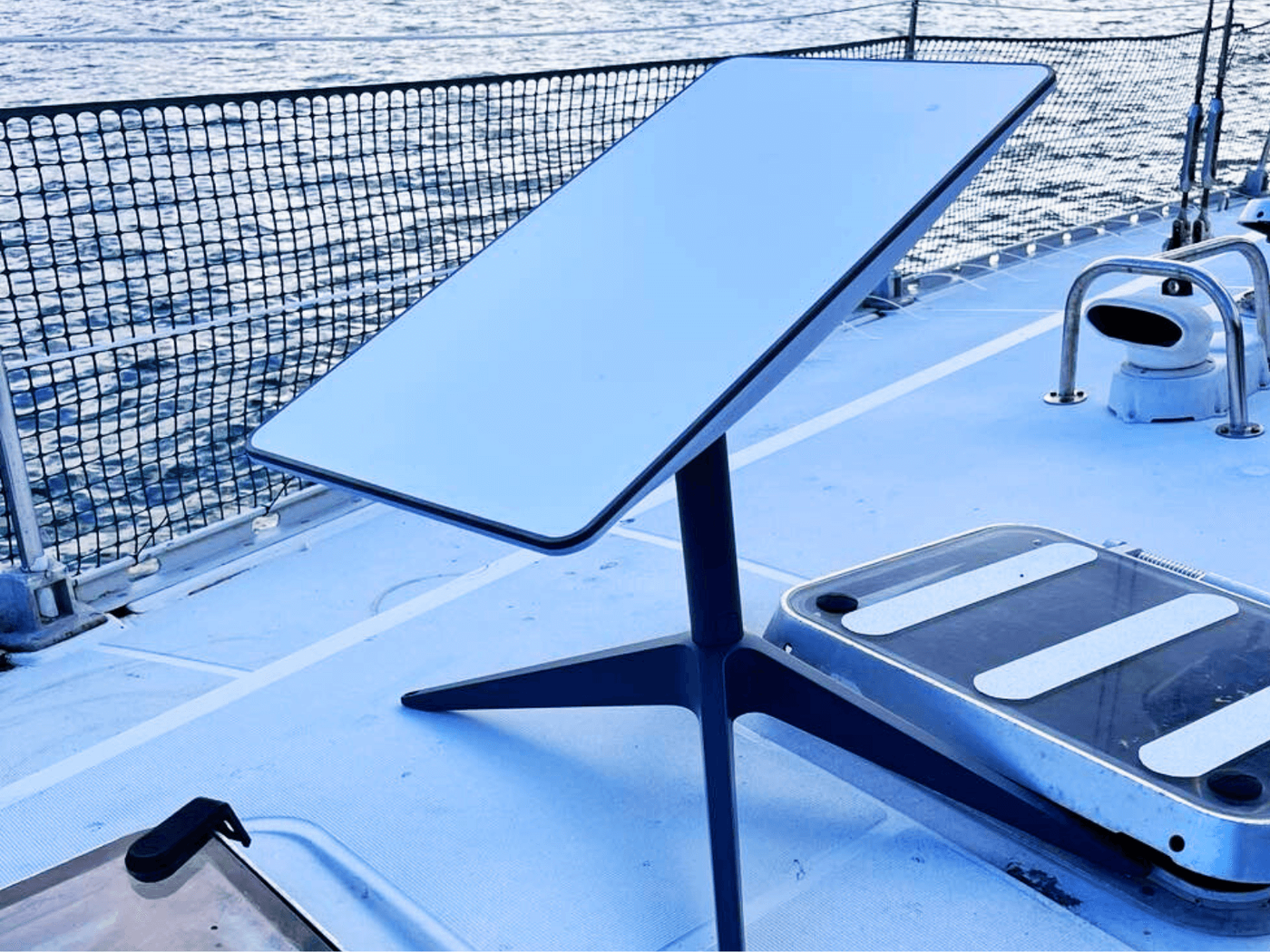
For anyone aboard a New Zealand vessel with a Starlink dish, the morning of Thursday 25 July brought an unsettling experience. Around 8am NZT, the satellite network that many boaties have come to treat as a given simply stopped working. The outage lasted roughly 2.5 hours and was felt across New Zealand, Australia, the United States, and a number of other regions before service was eventually restored.
Starlink acknowledged the problem through a post on X, offering a brief but candid update:
"Starlink is currently experiencing a network issue. We are actively implementing a fix and will share an update when this is resolved."
A follow-up post confirmed the network had come back online approximately 2.5 hours after the disruption began, with service appearing normal for most users by midday.
Starlink is currently in a network outage and we are actively implementing a solution. We appreciate your patience, we'll share an update once this issue is resolved. — Starlink (@Starlink) July 24, 2025
For those living and cruising aboard their boats, the outage was a pointed reminder of how deeply satellite connectivity has woven itself into daily life on the water. Downloading fresh marine forecasts, running navigation software, checking in with family ashore, streaming weather charts — all of it vanished in an instant. What might seem like a minor technical hiccup on land takes on a different character when you are anchored in a remote bay or making a passage offshore.

This piece was written by someone who knows that feeling directly. Writing from a liveaboard yacht, the author experienced the blackout first-hand, finding out just how still things get when the morning routine of checking messages and pulling down weather grinds to a halt. Whether your boat is sitting on a mooring in Whangarei or tucked behind Great Barrier Island, the sudden absence of a connection you rely on has a way of focusing the mind.
Across the boating community, the questions raised by this kind of event are practical ones. Where were you when the signal dropped? How long were you without coverage, and did it touch anything beyond your morning convenience, your work, your communications, or your safety at sea? The experiences of readers who depend on Starlink aboard their vessels would help build a clearer picture of how integral satellite internet has become to modern boating in New Zealand, and what the gaps look like when it disappears without warning.
Large-scale outages of this kind remain uncommon, and this one was resolved without an extended disruption or any public explanation of the underlying cause. The incident is worth taking seriously, though. As more New Zealand vessel owners fit satellite internet, whether through Starlink or other providers, the question of what happens when that connection fails deserves attention. Backup communications, redundant systems, and the ability to operate with offline tools are not relics of an earlier era. They remain essential parts of any well-prepared boat's kit. Thursday morning was a reminder that even the most reliable technology can still go quiet.