An evening at Westhaven Marina brought together around 25 sailors, parents, and coaches for a practical, knowledge-focused workshop built around one of New Zealand's most enduring youth classes, the Starling.
Hosted by Harken Fosters at its Westhaven Marina chandlery last month, the event was titled All Things Starling and was timed to help competitors, families, and coaches prepare ahead of the peak summer sailing season. The driving idea was straightforward: as sailmaking and manufacturing have shifted offshore over the years, the informal, face-to-face transfer of practical knowledge has become harder to find. The workshop set out to close that gap.
"There's a void of where you go for really good sailing knowledge, from both the parents' side and the sailors," said world-class sailor Rod Davis, who led the parent discussion session.
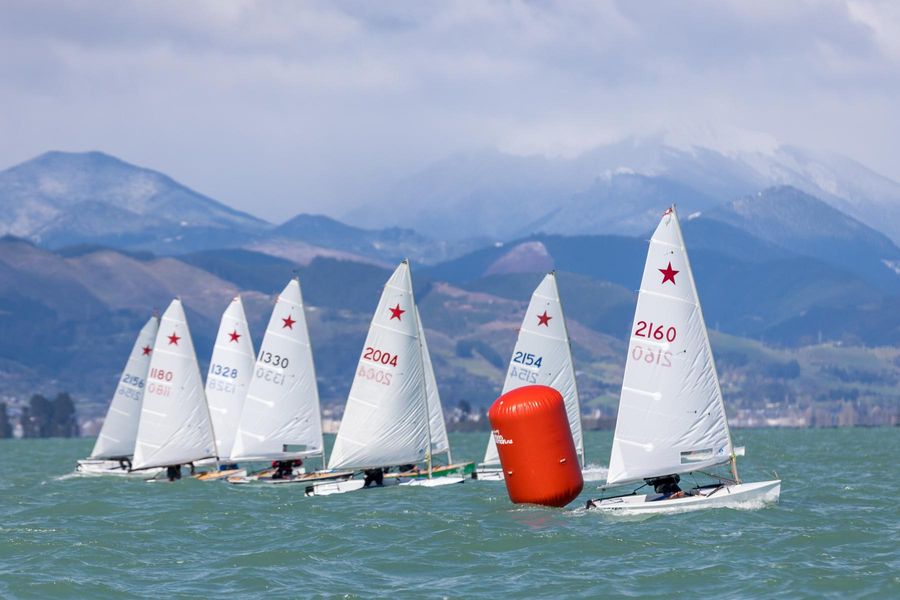
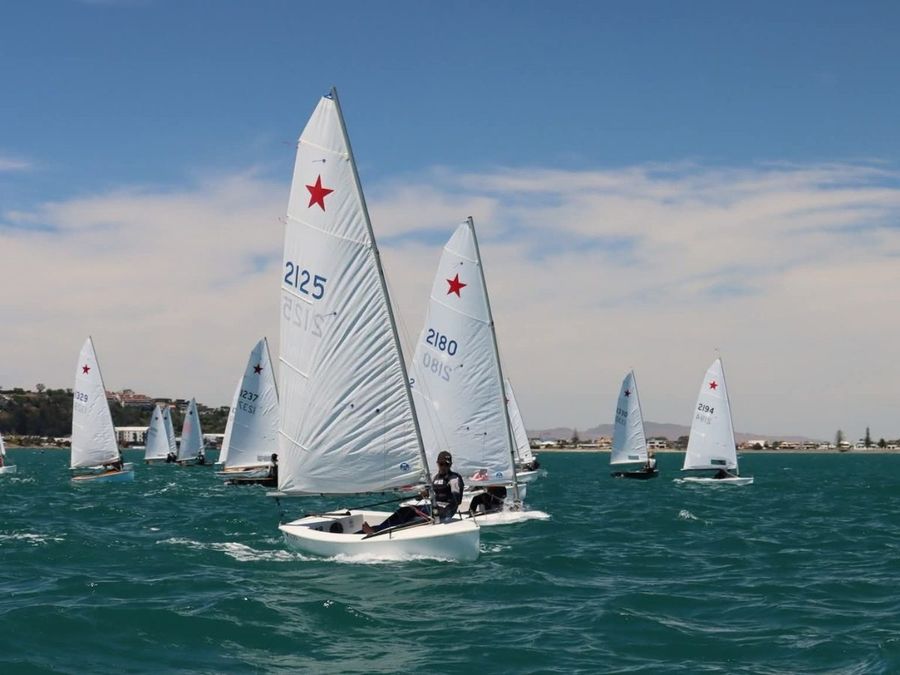
The Starling has a long history in New Zealand youth sailing. Designed by Des Townson in 1969, the 2.9-metre dinghy sits between the junior classes and adult singlehanders, demanding balance, feel, and consistency rather than raw strength. Most sailors come to the class in their mid-teen years, typically in the 50 to 70kg range, and soon discover that fast sailing comes down to setup, technique, and repeatable habits.
Six speakers covered the evening across a range of topics, including design background, rigging and tuning, race-day routines, youth mentoring, and how parents can best support a campaign without overreaching.
John Clinton opened proceedings by tracing the Starling's development from Townson's original design intent through to the boats competing today. His focus remained practical throughout, exploring why the boat behaves the way it does and how changes to sails and fittings over the decades have kept the class competitive while protecting its one-design character.
Grant McKinnon followed with a detailed look at rigging, tuning, and maintenance, with repeatability as the thread running through the session. The approach he described had been developed across several seasons alongside his son Blake McKinnon, and it had clearly produced results. Blake's 2025 Starling national title offered a compelling demonstration of what disciplined, structured preparation can deliver.
Harken Fosters technical specialist Grant Blewett then walked through the Starling's control systems, an area where progress can either accelerate or stall depending on a sailor's grasp of the basics. His demonstrations covered cam cleat layouts, rope selection, and common hardware configurations, with an emphasis on handling efficiency and conserving energy through manoeuvres.
"It is about position and having options in your sailing toolbox with repeatable speed settings and feel," Blewett said.
Two former Starling sailors, Tim Howse and Sophia Morgan, contributed as youth mentors, speaking openly about early challenges, the mindset required to improve, and the habits that can meaningfully shorten the learning curve. Their contributions landed well with the younger sailors in the room.
While the main session ran its course, parents gathered separately for an open discussion with Davis, Clinton, and McKinnon, working through topics including nutrition, expectation management, and how to stay involved in a campaign in ways that genuinely help rather than hinder.
Harken Fosters plans to extend the reach of the evening through a six-part All Things Starling Debrief Series, to be made available online. The videos will distil the key lessons from the workshop into short, practical segments suited to sailors and families who could not attend in person. Details on how to receive updates directly from Harken Fosters are available through a sign-up form.
The Starling has always been a class where shared knowledge and mentoring sit close to the heart of how sailors improve. Bringing experienced voices into the same room as those just starting out, and making that conversation more broadly accessible, fits naturally with what makes the class work.