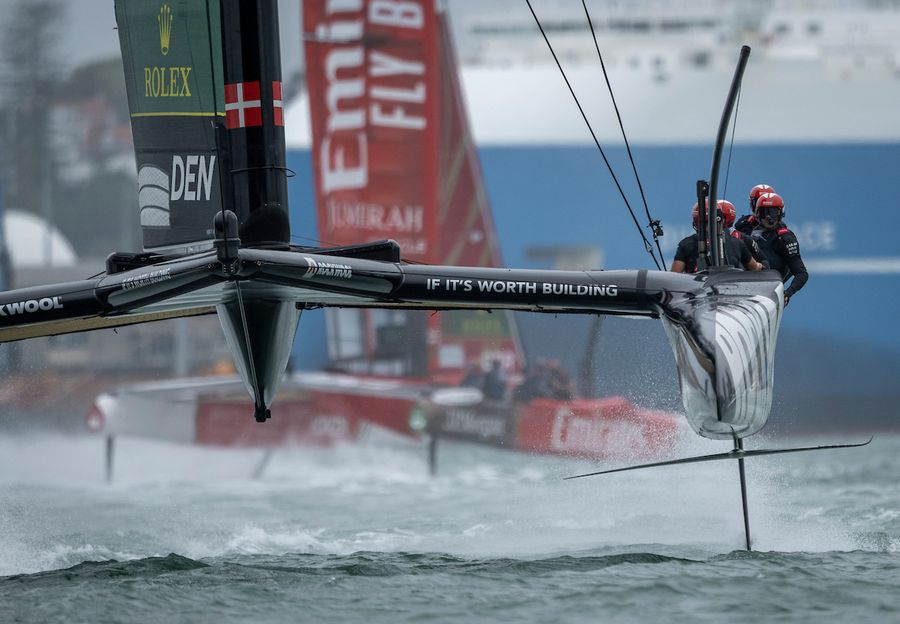
A technical fault in the starboard daggerboard sensor system dealt a heavy blow to the ROCKWOOL Racing SailGP Team at the ITM New Zealand Sail Grand Prix, exposing just how unforgiving the margins are at the top level of SailGP competition.
The F50 catamarans at the heart of the SailGP series are extraordinary pieces of engineering. Each carries more than 125 sensors generating upwards of 35,000 data points every second, feeding real-time flight control systems, performance modelling, and race management analytics all running through Oracle Cloud Infrastructure.
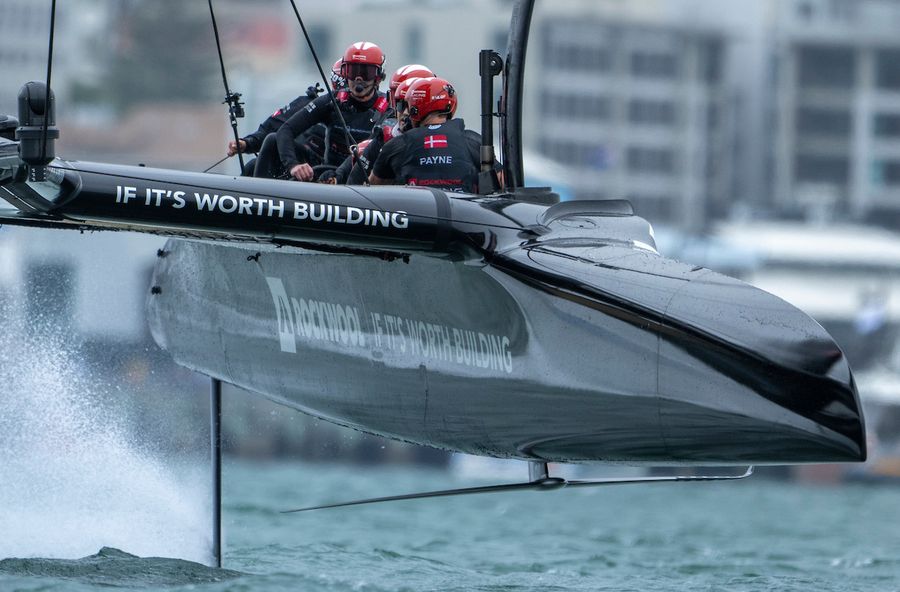
Among those sensors, the starboard board sensor plays an especially important role. Mounted on the right-hand foil, it continuously measures structural load, angle of attack, and immersion depth. That stream of information allows the flight controller to manage lift, heel, and pitch balance as the boat travels at speeds exceeding 90 km/h, and it underpins the structural safety margins the vessel relies on under high load.
During the opening race of Sunday's split fleet session, the Danish team began picking up irregular readings from that sensor. Without trustworthy data coming through, confidence in foil load management and flight stability erodes quickly. With gusts nudging 28 knots across Auckland's Waitematā Harbour, the team had little choice but to adopt a conservative race mode rather than chase the performance they were capable of.
Driver Nicolai Sehested spoke about the situation after racing had concluded.
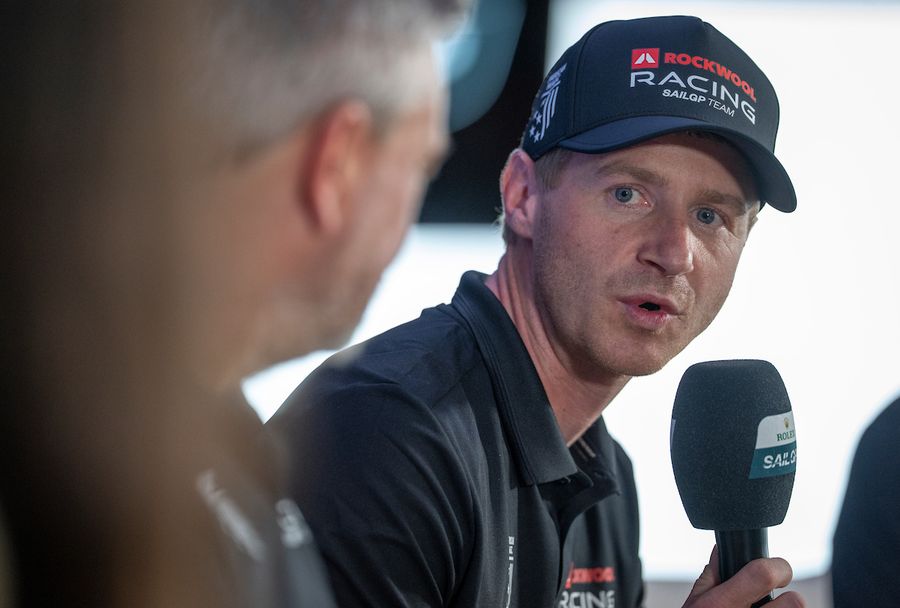
"We had a problem with the starboard board sensor in the first race," Sehested said. "At this level, the boat depends on precision. Without full confidence in the data, you manage risk rather than push performance."
The team crossed the line sixth in that first race. Shore crew immediately set to work diagnosing and attempting to fix the fault between heats, but a complete resolution proved elusive before the second start. They took to the water regardless, only to finish last and score no points.
"It's really frustrating and bad luck," said Sehested. "We didn't get to finish a race today, which has obviously left us behind where we feel we deserve to be, based on our performance."
He was also quick to put the situation in perspective. "The tech team and our shore team do an amazing job to keep these boats running, but they are also really complex machines, so there are no fingers pointed here – it's just racing."
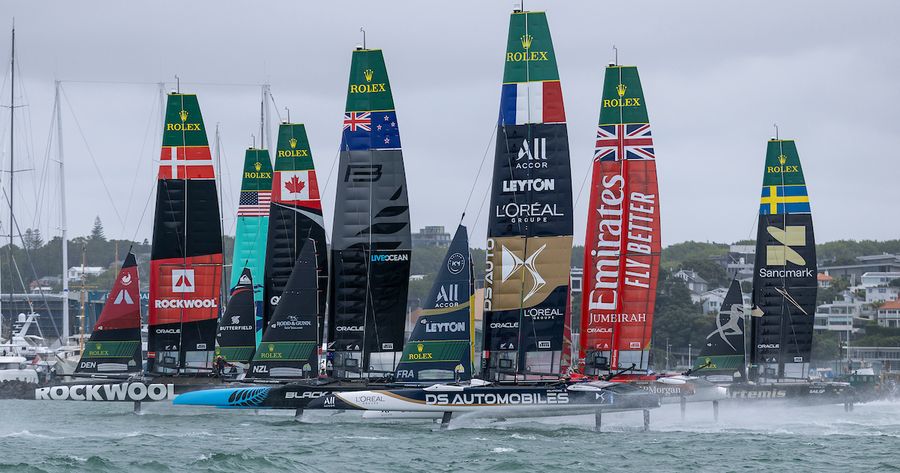
Sunday's difficulties compounded a Saturday that had already ended on a sour note. The team had recorded a sixth and a seventh before racing was abandoned in the aftermath of the collision that put both New Zealand and France out of action.
The Auckland weekend leaves ROCKWOOL Racing eighth in the overall championship standings after two events. The fleet now heads to Sydney, where the team will focus on restoring full sensor integrity and returning to uncompromised race performance.