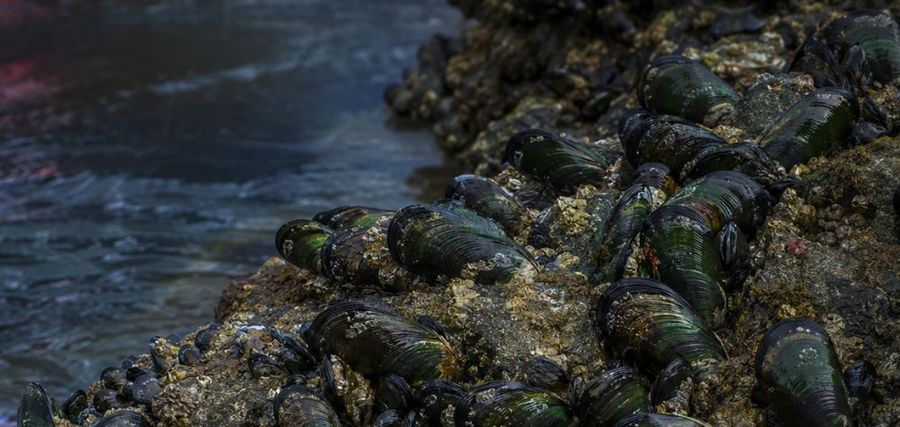
A Southland seafood company has been fined $39,000 after illegally moving thousands of oysters and mussels in breach of biosecurity controls designed to protect the Bluff oyster fishery.
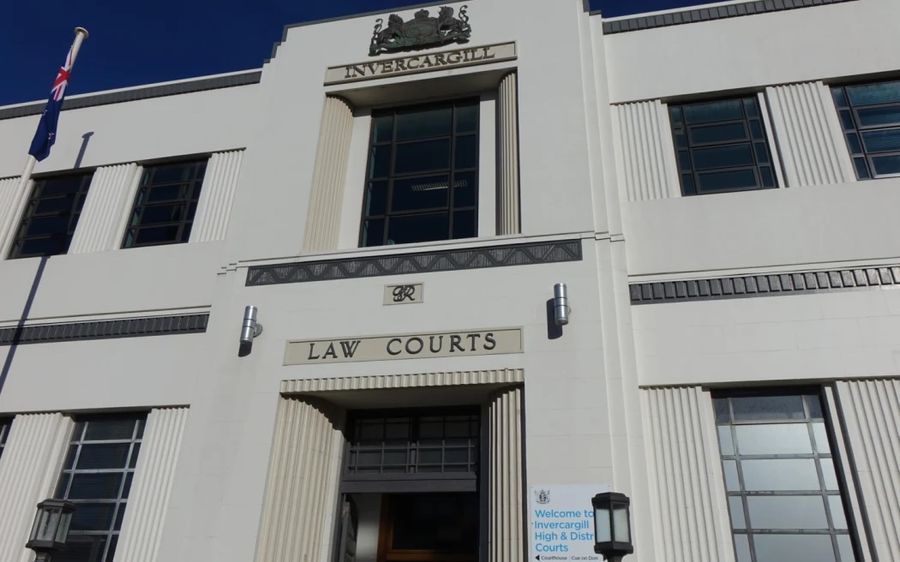
Fresh is Best NZ Limited was sentenced in the Invercargill District Court on 13 charges under the Biosecurity Act following a prosecution by the Ministry for Primary Industries. The company pleaded guilty to all charges.
MPI director of investigations and compliance support Gary Orr said the company's conduct was negligent and a clear breach of the rules meant to stop the disease spreading.
"The action taken by Fresh is Best was negligent and a serious breach of the controlled area notice put in place to prevent the spread of the unwanted organism Bonamia ostreae," Orr said.
The investigation found Fresh is Best arranged the illegal commercial movement of 6,720 individual live Pacific oysters and 2,069kg of live green lipped mussels from the Upper South contained zone to the Lower South protected zone, in breach of the controlled area notice, on seven separate occasions.
The movement of shellfish from a contained zone to Bluff, where flat oysters sit within a protected zone, created a significant risk to the wild oyster population, Orr said.
"Bonamia ostreae has had a significant effect on the flat oyster population, and we all need to do our part to prevent it from spreading and threatening the future of the natural resource and industry," he said. "The movement controls are well understood by the industry and have been in place across areas of the South Island since 2015."
Orr said MPI would take action on any breach of the rules, regardless of whether it caused actual harm on this occasion.

"Biosecurity rules are in place to protect fisheries for everyone. While there is no evidence this offending caused a biosecurity issue on this occasion, we will always take action when we find evidence of the rules being broken."
The investigation began in 2024, after a biosecurity inspector uncovered evidence that consignments of green lipped mussels were being illegally moved by a group of seafood producers, transporters and processors. Fresh is Best's sentencing brings the case to a close, following earlier sentencing of four other companies involved in the offending: Ikana New Zealand Limited, Aroma Aquaculture Limited, Waimana Marine Limited and Sollys Freight Limited.
Orr said most people working in the industry did the right thing.
"The majority of people who work in the aquaculture industry are responsible and do the right thing by following all rules and regulations."