Two projects on opposite sides of the globe have recently put Southern Spars in the spotlight, each demanding a different kind of excellence from the West Auckland composites specialist, and each showing why New Zealand marine engineering commands respect at the highest levels of the sport.
Southern Spars has been a recognised world leader in high-performance carbon fibre masts and rigging systems since its founding in Avondale in 1990, when it helped pioneer the use of carbon fibre in grand prix sailing. Now part of the US-based North Technology Group, the company keeps its principal design and manufacturing operation in Auckland, with additional facilities in Poland. Its client list spans America's Cup syndicates, SailGP campaigns, offshore racing programmes, and luxury superyacht builds.
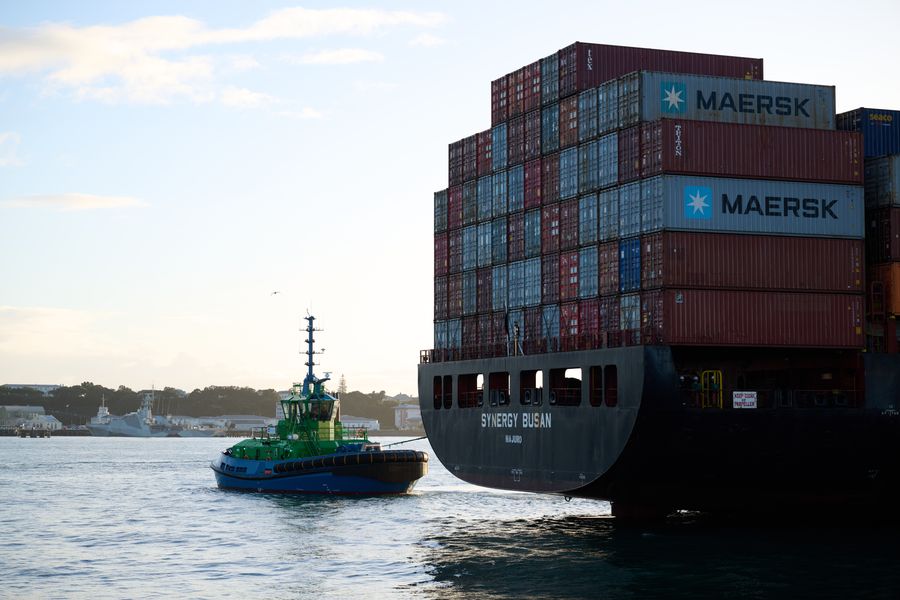
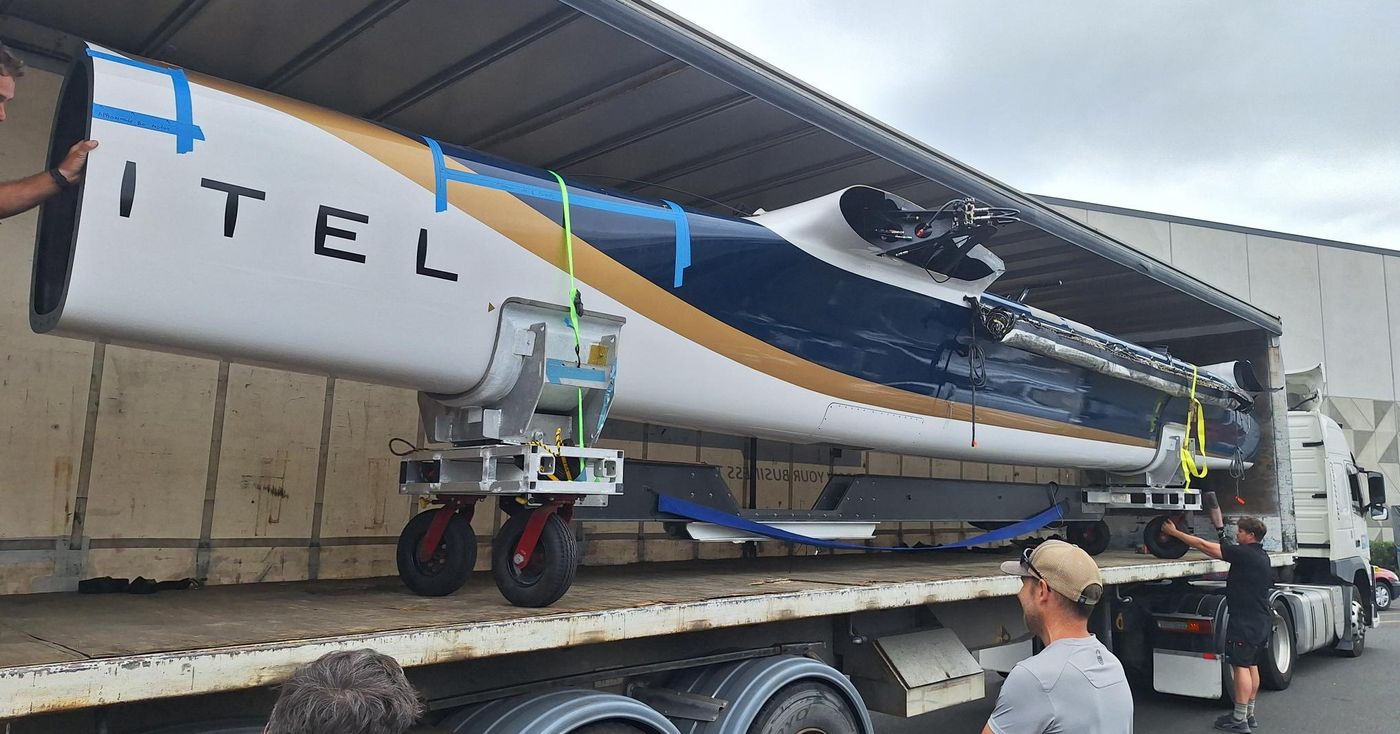
The first of the two recent projects unfolded close to home, in the wake of the collision between the New Zealand SailGP Team and DS Automobiles SailGP Team France at the ITM New Zealand Sail Grand Prix. Both F50 platforms were transported to Southern Spars' Auckland facility, where engineering teams carried out detailed structural assessments and non-destructive testing to establish which components could return to service and which needed repair or full replacement. Working shoulder to shoulder with SailGP designers, shore crews and composite engineers, the team focused on a single priority throughout: structural integrity, performance and safety. Getting two of the world's fastest racing machines back to peak condition under that kind of pressure was a significant piece of collaborative work.
The second project was unfolding simultaneously on the other side of the world. On 14 February, the 32-metre Ultim trimaran Maxi Edmond de Rothschild, known as Gitana 18, was launched in Lorient, France. Southern Spars had supplied the rotating carbon mast and integrated adjustable spreader system for the build, a rig engineered to absorb the extreme loads that Ultim racing demands while giving the crew active control over mast bend and mainsail power during offshore passages.
Gitana 18 represents 36 months of development and approximately 200,000 hours of construction. Designed for sustained offshore foiling, the trimaran is targeting average race speeds approaching 40 knots. The aerodynamic package came together through collaboration with North Sails and Future Fibres, both operating within the broader North Technology Group structure.
The SailGP recovery effort in Auckland and the launch of Gitana 18 in Lorient together make a strong case for where the engineering capability that keeps the fastest boats on the water actually comes from, whether that means rebuilding after a collision or sending a record-chasing offshore trimaran down the slipway for the first time. For New Zealand boating and sailing, it is a reminder that Kiwi engineering remains firmly at the front of the global performance sailing fleet.