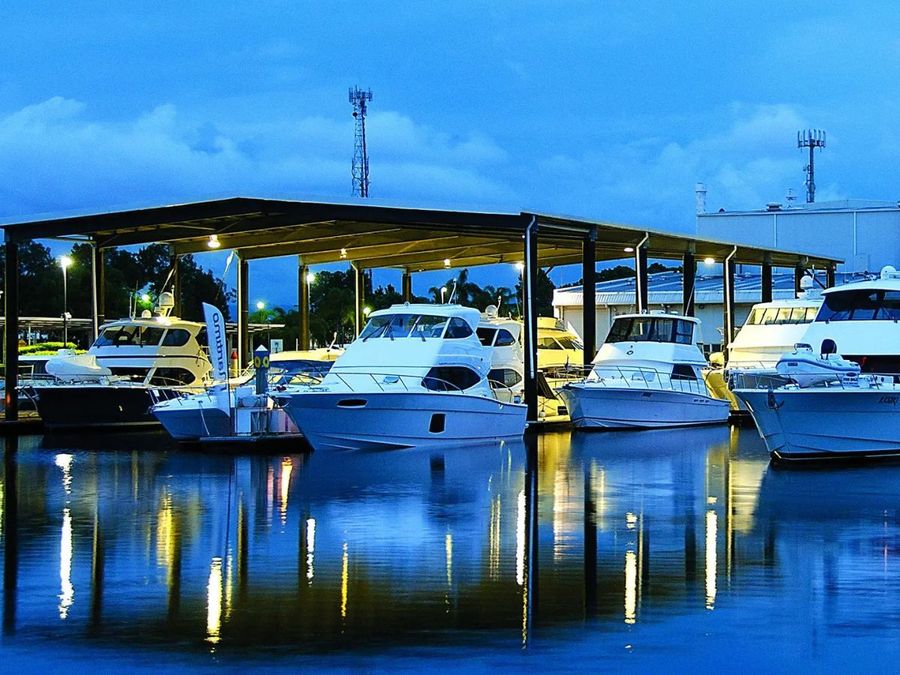
Every motor yacht owner knows that good maintenance means fewer unwanted surprises on the water. Beyond peace of mind, a properly cared-for vessel performs better and holds stronger resale value when the time comes to sell.
Annual haul-outs serve a purpose well beyond applying a fresh coat of antifoul. Think of them as a complete physical examination for your boat. Ross Willaton, Maritimo's senior marine engineer and world champion offshore racer, known throughout the trade as Rossco, says time ashore is when the most important work gets done, the kind that simply cannot be carried out while the vessel remains in the water.
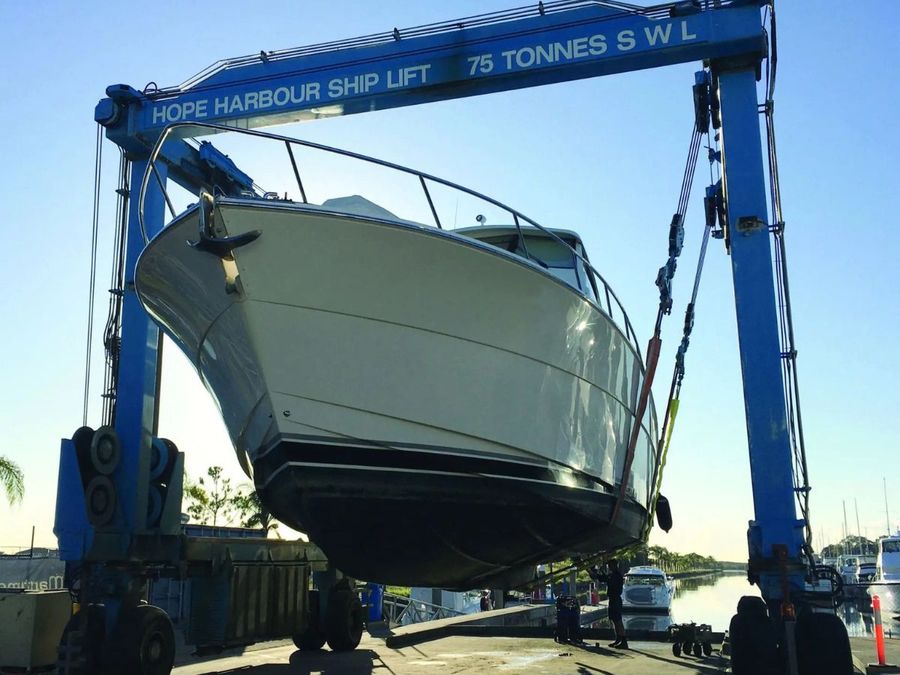
“One of the largest and most visible items is the renewal of underwater coatings. Maritimos are delivered with Sigma Ecofleet antifoul and Propspeed on the running gear,” he explains. “The silicone topcoat on Propspeed is shiny and slick — it’s there to stop marine growth and reduce drag. But switching brands can mean stripping back to the epoxy coating or even bare metal, so compatibility matters.”
When the work is carried out at an authorised service centre, it is also handled with the right level of responsibility.
“Having the work carried out at a certified facility means waste is treated on site and doesn’t re-enter the environment,” Rossco says.
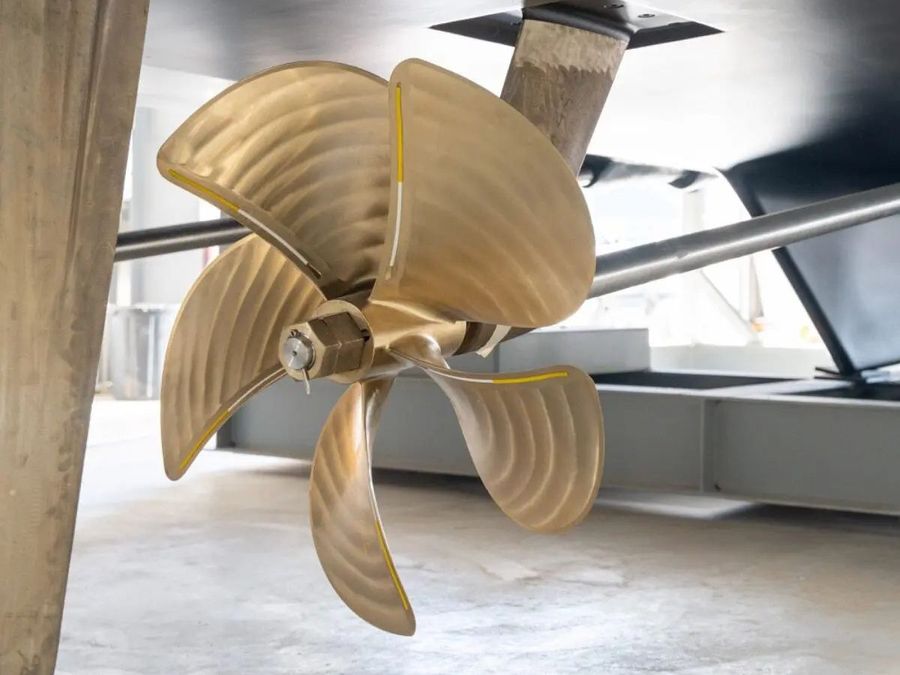
Making the most of haul-out time requires a systematic approach. Running gear deserves close attention first: shafts, skegs, rudders, screws, bearings, glands and trim tabs should all be checked for signs of wear and corrosion. Propspeed and antifoul need reapplying, and it pays to seek expert advice before mixing systems that may not be compatible. Through-hulls need a thorough inspection covering all fittings, scoops, strainers and anodes, cleaning and replacing whatever has deteriorated. Engines, gensets, gyro stabilisers, davits and watermakers should be serviced in line with the manufacturer's recommended schedules. Trim tabs need to be cycled through their full range of movement, since saltwater ingress into the rams is a frequently encountered problem; storing them in the up position when the boat is not in use helps prevent this. The hull and superstructure benefit from professional polishing, which protects the gelcoat and keeps the boat presenting well.
Cosmetic work can be deferred when budgets are tight, but ignoring mechanical or underwater problems is a different matter. Issues caught early are simpler and cheaper to resolve, and far less likely to derail a planned coastal passage.
Excessive anode wear and underwater corrosion deserve serious attention. If paint is disappearing from props or rudders, or anodes are burning through within months, stray current is the likely culprit. It is a hazard not only to your own vessel but potentially to others moored nearby. A reading above 700 to 1000 millivolts on a silver chloride reference meter should be treated as a warning. Blistering or flaking protective coatings are a further signal that a proper diagnostic inspection is overdue.
Routine checks between haul-outs can prevent many of these problems from taking hold. Ball valves and seacocks should be exercised regularly, opened and closed to keep them free. Sea strainers must remain accessible and clear, because a blocked strainer can push an engine into overheating very quickly.
Waiting for the annual service to address everything is not the best strategy. Consistent minor maintenance keeps larger jobs manageable and reduces cost over time. Washing the exterior regularly after saltwater use, diving the hull between haul-outs to remove weed and growth, cleaning vents and fans serving engine and cooling intakes, flushing the watermaker with fresh water, keeping bilges clean and dry, and checking glands, seals, clamps and fuel lines for any sign of leakage or deterioration are all habits that pay dividends.
Performance changes are worth heeding. Sluggish acceleration, rising fuel consumption, or handling that feels off are all worth investigating without delay. The cause might be straightforward, such as fouling on the hull or an issue with weight distribution, but it could equally point to something more serious like contaminated fuel.
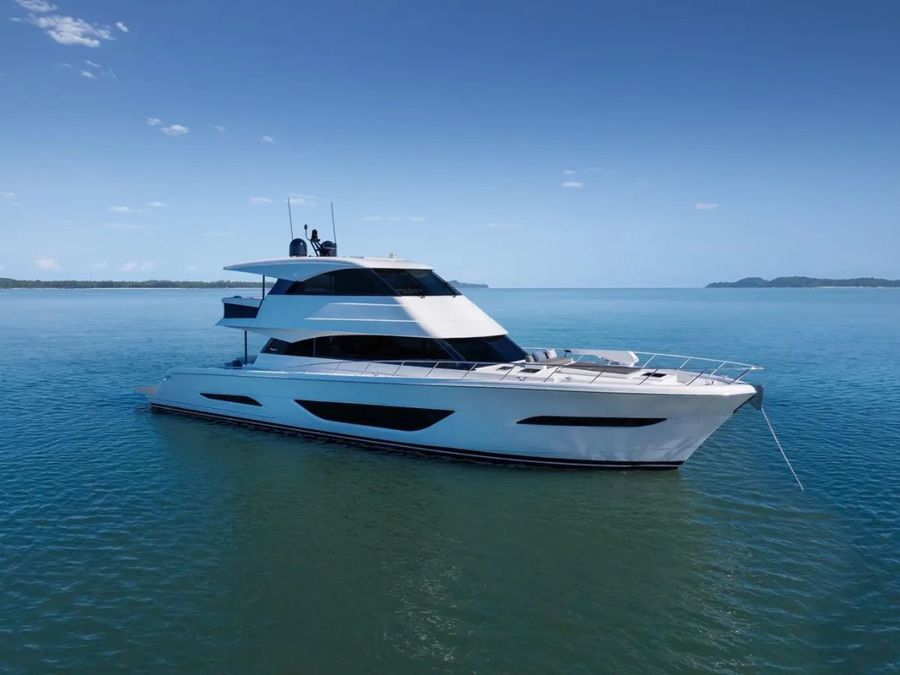
Maritimo delivers every vessel with comprehensive Owner's Manuals covering engineering, electrical and electronic systems in detail. These documents are genuinely useful. Consulting them when a question arises and sharing them with marine technicians can save considerable time during any repair or service visit.
Many New Zealand owners work a service stop into their annual journey north, whether the destination is Great Barrier Island, the Coromandel, or further afield. The practical benefits are obvious, but the motivation goes deeper than logistics. Maritimo make the point plainly: peace of mind is priceless when you are offshore, and knowing your systems are current and ready for whatever conditions present themselves is worth every bit of effort invested.

Scheduled servicing is not a burden. It is a straightforward investment in reliability, safety, and the simple pleasure of being on the water. The hours spent looking after a vessel are what make the hours spent using it genuinely carefree. A preventable problem has a particular talent for ruining an otherwise perfect day, and there is no good reason to give it the chance.