The commercial shipping technology on show at SMM 2026 in Hamburg points towards a fundamental shift in how recreational boats might operate: from equipment that displays information to systems that understand it.
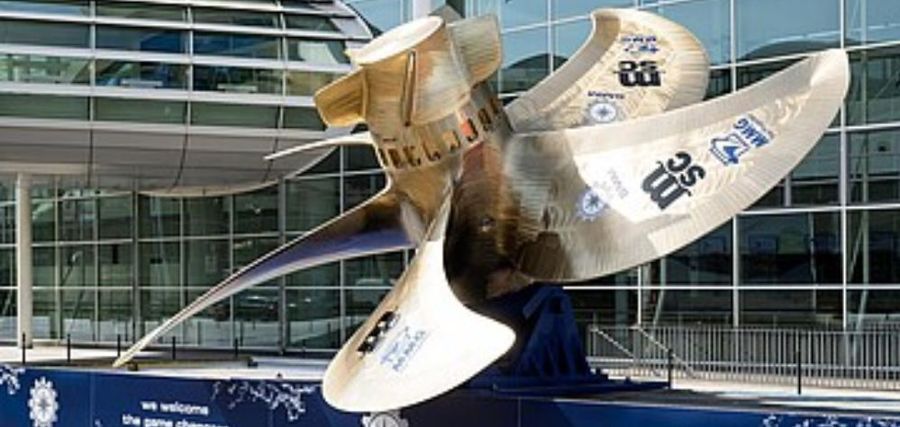
Held from 1 to 4 September, the biennial exhibition brought together around 2,300 maritime technology companies across more than 90,000 square metres. While the show targets shipbuilders, operators and equipment suppliers, the technologies emerging there often foreshadow what reaches smaller vessels years later.
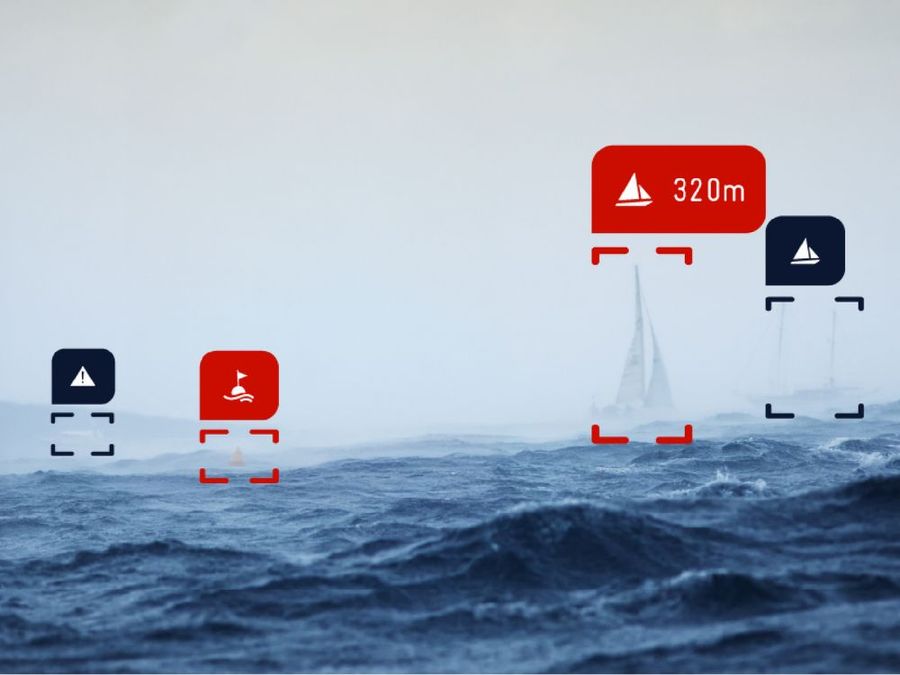
Several developments at this year's SMM suggest marine AI is moving beyond simply presenting data. SEA.AI already combines optical and thermal cameras with artificial intelligence to detect unlit craft, debris, buoys, kayaks and people in the water – technology already available for sailing yachts, powerboats and motor yachts.
Anschütz demonstrated its AUTONOMICS CGA system, which fuses radar, AIS, electronic charts and AI-supported optical sensors to assess encounters using COLREGs and calculate possible avoidance trajectories. A navigator remains in control, but the system moves from showing targets towards recommending action.
Patrick Haebig of SEA.AI told SMM that customer questions have shifted from AI's theoretical potential to ready-to-use collision avoidance.
The same intelligence layer is being applied to machinery. Predictive maintenance systems learn how engines, pumps and batteries normally behave, then flag subtle changes – several degrees warmer under comparable loads, gradually increased current draw, slowly rising fuel consumption – before failures occur.
SMM's dedicated Energy Efficiency Hub showcased how AI might manage the miniature energy networks aboard modern cruising boats. Perhaps systems could decide when to heat water based on solar production, when to run generators for optimal charging efficiency, or how to preserve capacity based on weather forecasts and passage plans.
Autonomous systems may prove most valuable in emergencies rather than replacing skippers. SALVOR's ASSIST project is developing an autonomous maritime rescue drone with a planned search and rescue function: launching after a man overboard alarm, using thermal imaging and AI to locate the person, and deploying buoyancy assistance. The system remains under development and testing, so its claimed performance should be treated accordingly. While aimed at commercial shipping, the principle suggests how recreational boats might eventually respond automatically to crew overboard situations – marking positions, adjusting autopilots, maintaining visual contact and deploying assistance.
The emerging pattern is one of sense, understand, decide, assist and act. Sensors, networks and data already exist aboard many boats. What SMM 2026 demonstrated was how quickly commercial maritime is developing the intelligence to connect them.
Reliability, cybersecurity, liability and explainability remain significant challenges. Not every technology shown in Hamburg will suit recreational use. But the direction is clear: where marine technology has long helped skippers operate boats, the next generation may help boats look after their crews.