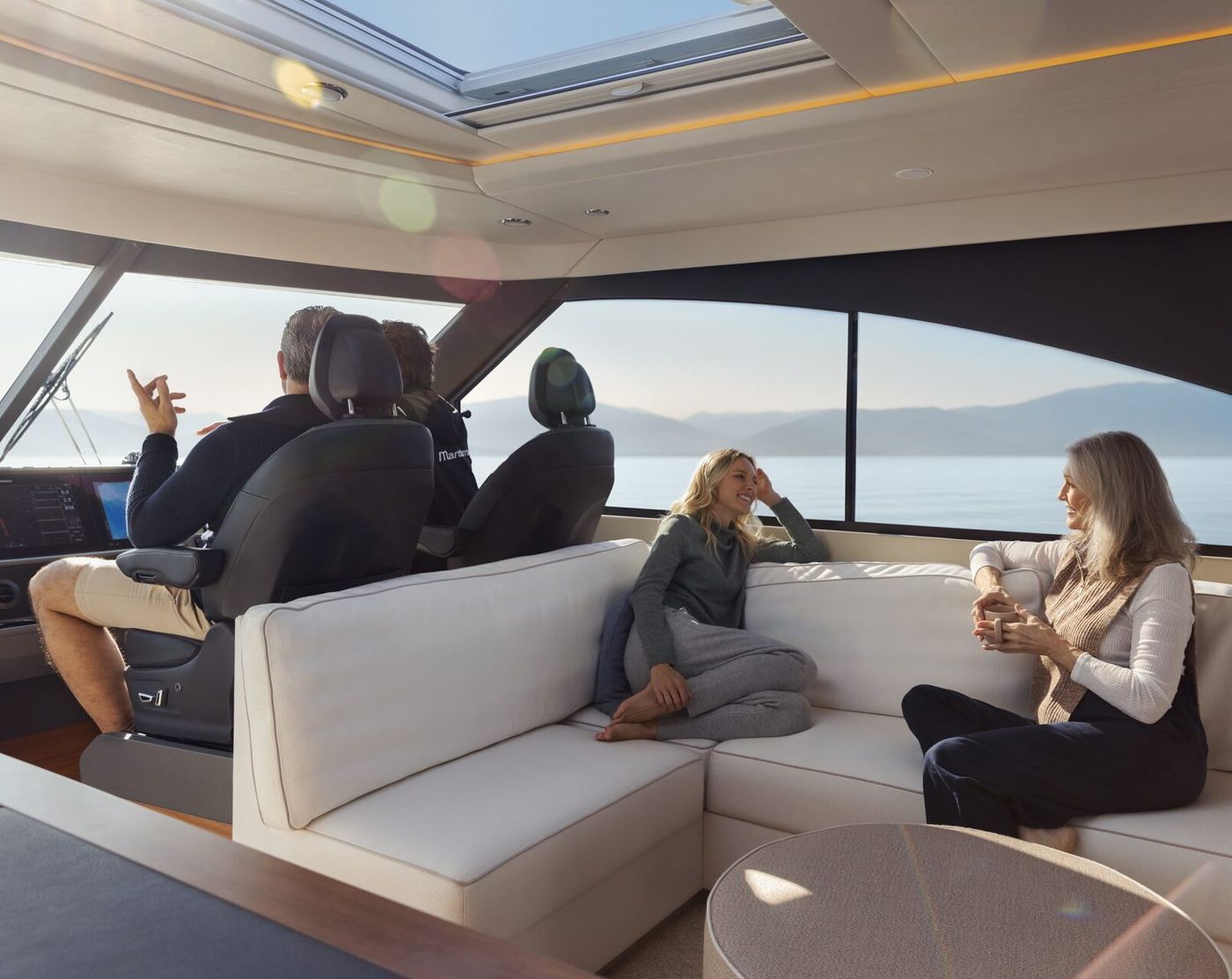
For anyone who owns a luxury motor yacht, deciding whether to skipper the vessel personally or hand the helm to a professional is one of the most consequential choices they will make. It is deeply personal, and it touches everything: the texture of daily life on board, the freedom of movement, and the shape of the running costs.
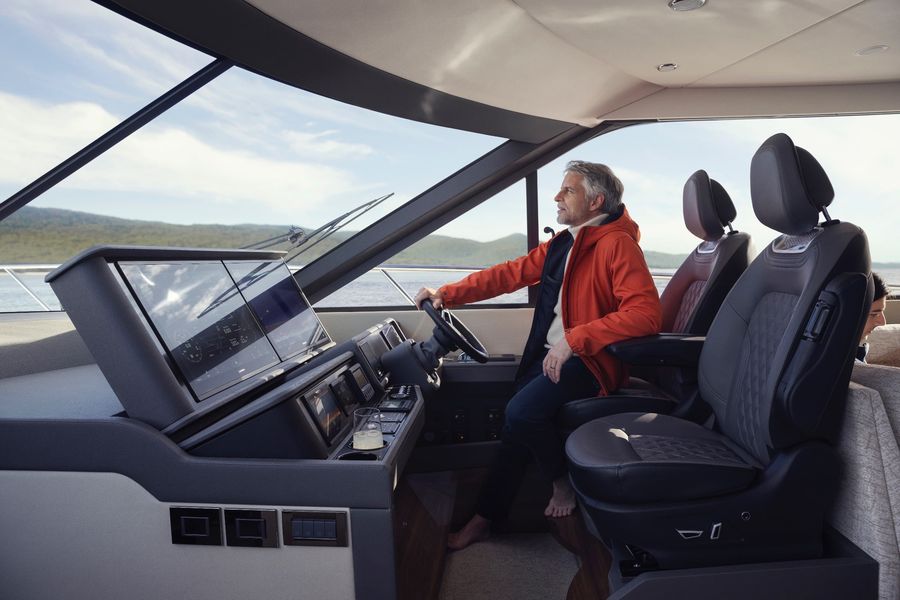
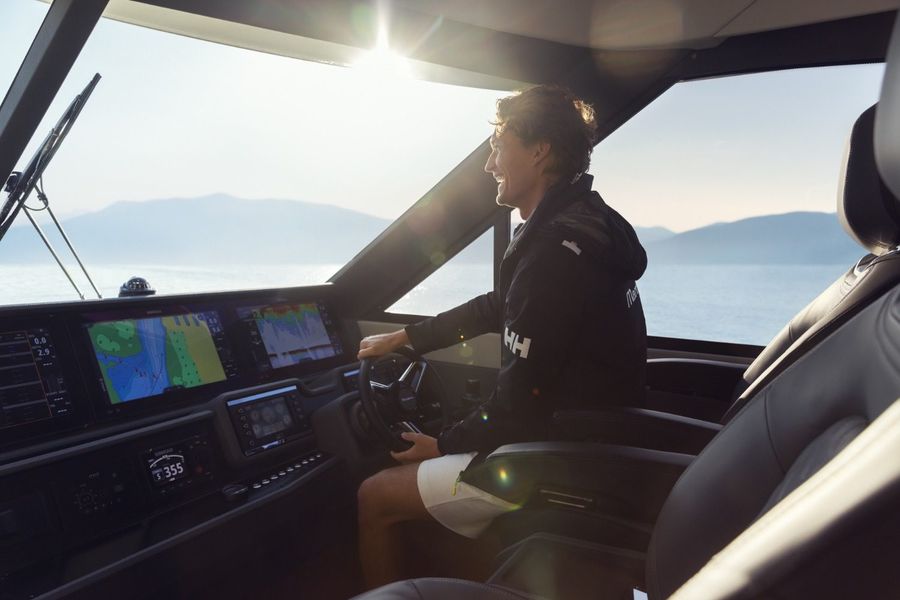
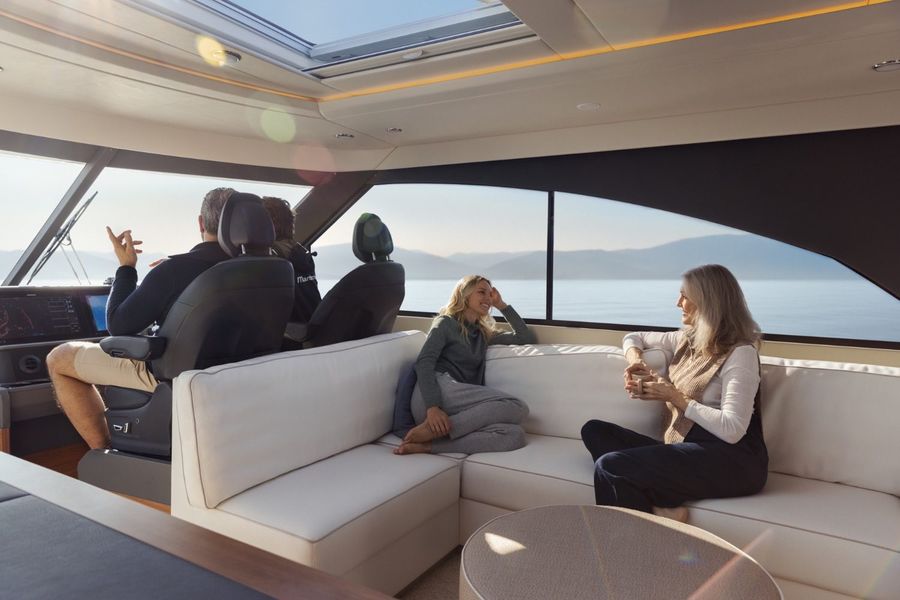
When you take the wheel yourself, the voyage answers entirely to you. Departure times, anchorages, and how long you linger in any one place are yours to decide on a whim. There is a compelling financial case for it as well. Removing skipper fees from the budget trims ongoing costs substantially, a consideration that carries real weight for owners who spend extended periods on waters they know well. For many boaters, though, the appeal runs deeper than economics. The satisfaction of working through a navigation problem, coming to understand a vessel's systems from the inside out, and cultivating that unhurried, almost reflective connection with the sea are things no hired hand can provide. Self-operation suits seasoned operators most naturally, particularly on shorter passages across familiar cruising grounds, but it is equally within reach for committed owners who approach skill-building seriously and steadily.
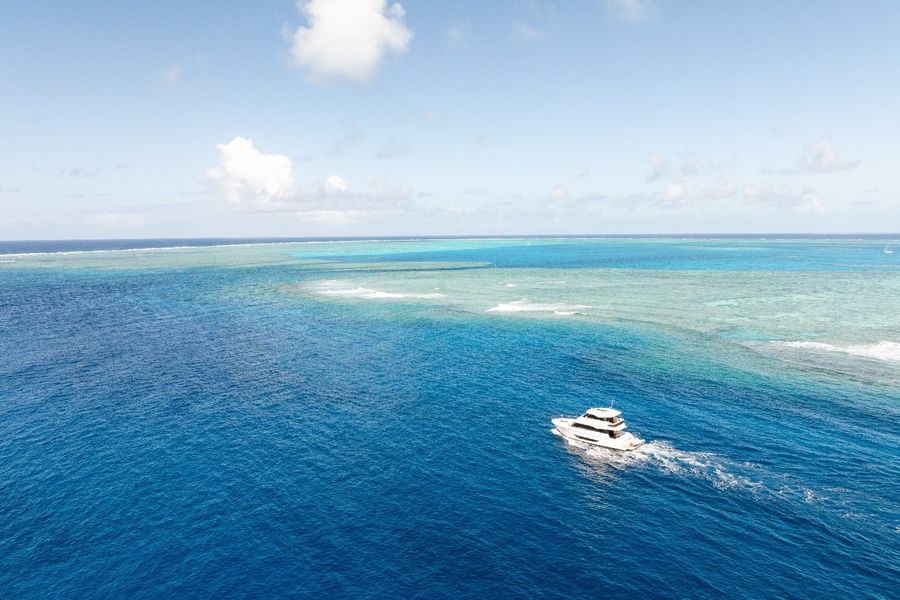
The responsibilities that come with it deserve an honest reckoning. Weather routing, passage planning, port formalities, and the safety of every person aboard all fall to you alone. In waters you do not know well, particularly across the varied cruising regions of Asia, unfamiliar regulations, local maritime conventions, and unpredictable tidal patterns can compound the difficulty quickly. Extended offshore passages also impose a sustained physical and mental load that many skippers find hard to maintain over time.
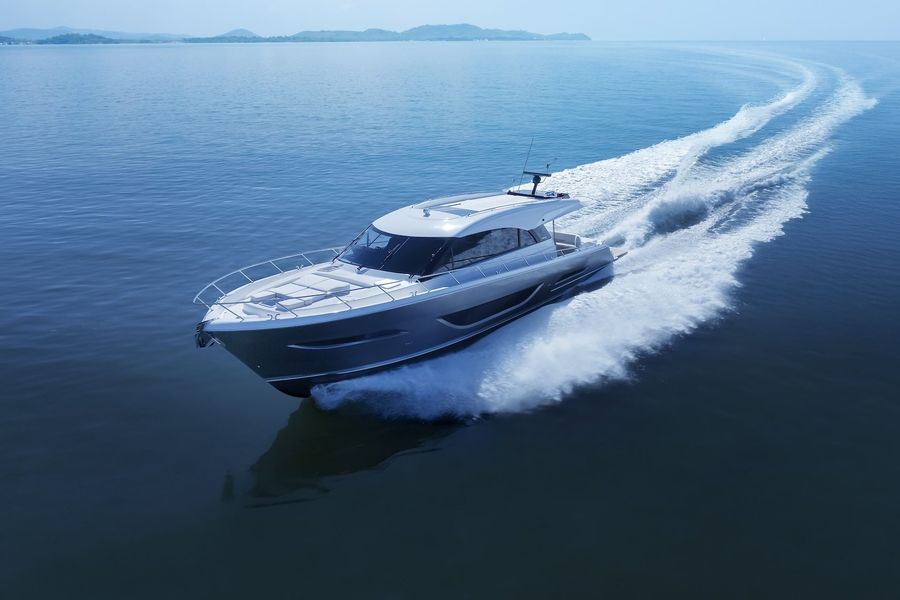
Bringing a professional skipper on board shifts the entire character of the experience. What a genuinely skilled skipper contributes is not just technical ability but the kind of local knowledge that no chart or pilot book can fully replace. It is knowing which anchorage will hold when the weather deteriorates, how to read an approach that looks clean on paper but conceals hazards, and which port formalities demand immediate attention and which can wait. There is also a real psychological benefit. Once operational responsibility belongs to someone else, the owner can give themselves over to the reasons the voyage was planned in the first place: hosting guests, taking in the surroundings, and moving through each day without the continuous mental weight that managing a yacht demands. For owners moving up to a larger vessel or heading into unfamiliar cruising territory, the assurance that a capable professional is in command carries a worth that resists easy measurement.
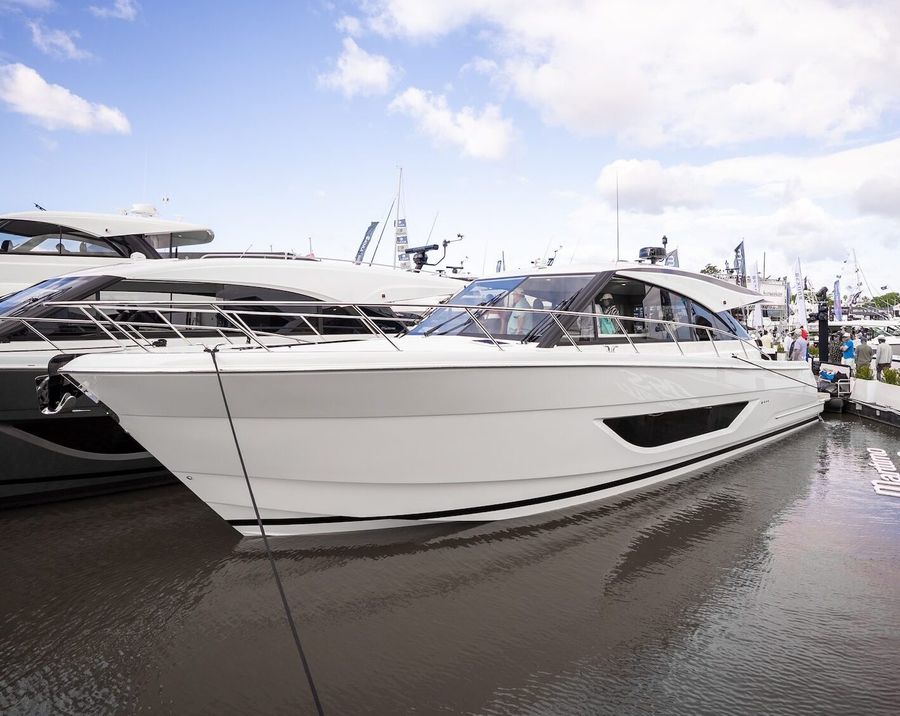
The cost, however, is a straightforward and ongoing one. Skipper fees combine with the expense of accommodating and provisioning an extra crew member, and those figures mount over any extended voyage. The social dimension matters too. Sharing confined living spaces with a professional crew member does not suit every owner or every group of guests, and that reality is worth weighing honestly.
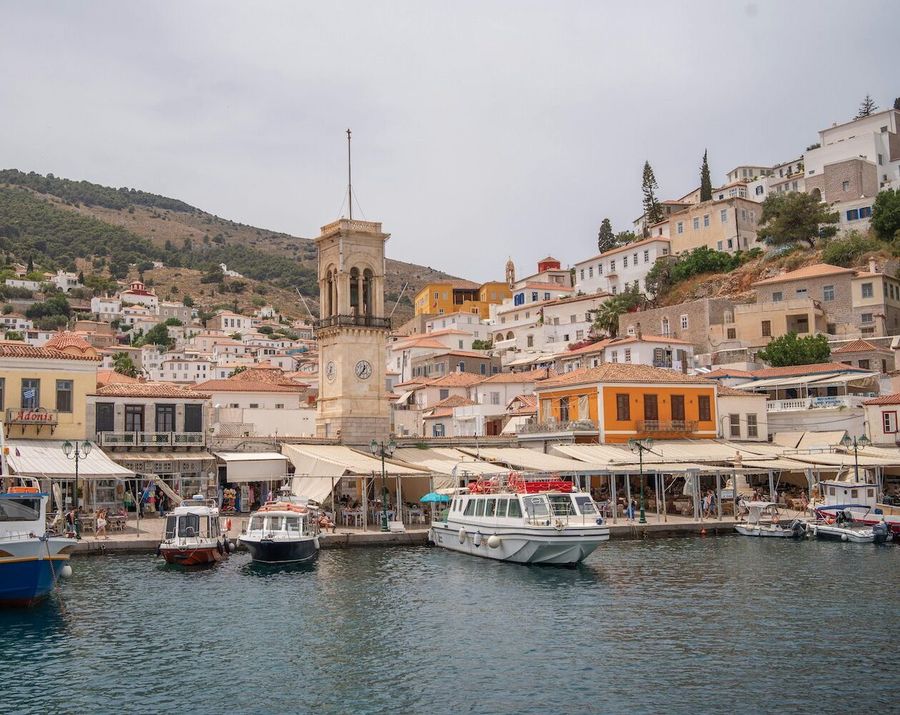
A third approach has found considerable favour among owners who have accumulated some experience. The hybrid model pairs professional input with a deliberate move towards self-reliance over time. In practice, this usually means engaging a skipper for unfamiliar waters or the early passages aboard a new boat, then stepping progressively into solo operation as confidence grows and local knowledge accumulates. It captures the strengths of both approaches without forcing an all-or-nothing choice, and it allows skills to be absorbed at a natural pace rather than under duress. Whatever path an owner settles on, the decision deserves to be rooted in an honest appraisal of their experience, the demands of the intended voyage, and a clear understanding of what they are actually hoping to find on the water.