San Francisco Bay doesn't announce itself quietly. It's one of the standout cruising grounds on the American Pacific coast, mixing spectacular scenery, lively waterfront towns, sheltered moorings, historic islands and a quieter, wilder north that most visitors never bother to find.
For anyone exploring aboard a Maritimo luxury motor yacht, the appeal lies in the sheer variety packed into a relatively compact stretch of water. A morning might start with the Golden Gate Bridge emerging through the mist, roll on to lunch overlooking the waterfront at Sausalito, and finish at anchor near Angel Island as the city lights come up across the water.
Beyond the postcard landmarks, the bay opens into estuaries, tidal marshes, small harbours and quiet waterfront communities. San Pablo Bay offers something different again: broad horizons, wildlife-rich wetlands, and access into the Napa and Petaluma waterways. It's a destination that rewards planning. A flexible itinerary helps too, along with some appreciation of how closely Northern California's maritime history is tied to its waterways.
Cruising grounds and places to stay
The best way to see San Francisco Bay is to treat it as several distinct cruising areas rather than one body of water. The central bay delivers the iconic scenery, the Marin County shoreline strings together some appealing waterfront stops, and the northern waters of San Pablo Bay bring a quieter, more rural mood.
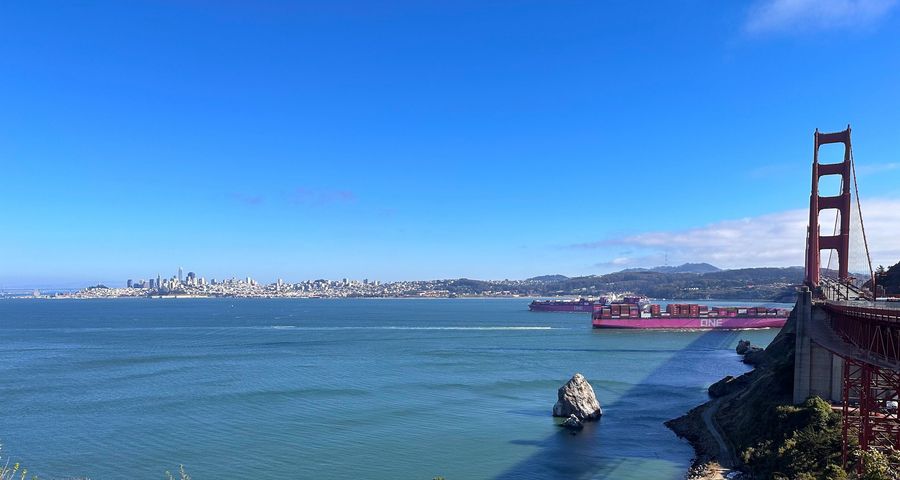
San Francisco itself is the obvious starting point. The waterfront takes in the financial district, historic piers, Alcatraz Island and the Golden Gate Bridge. San Francisco Marina Small Craft Harbour offers guest berthing and boating services, subject to availability and vessel size, and from there the city's restaurants, galleries and smarter neighbourhoods are an easy walk. A cruise along the waterfront is particularly good early, when the light is soft and the commercial shipping is moving steadily through the bay.
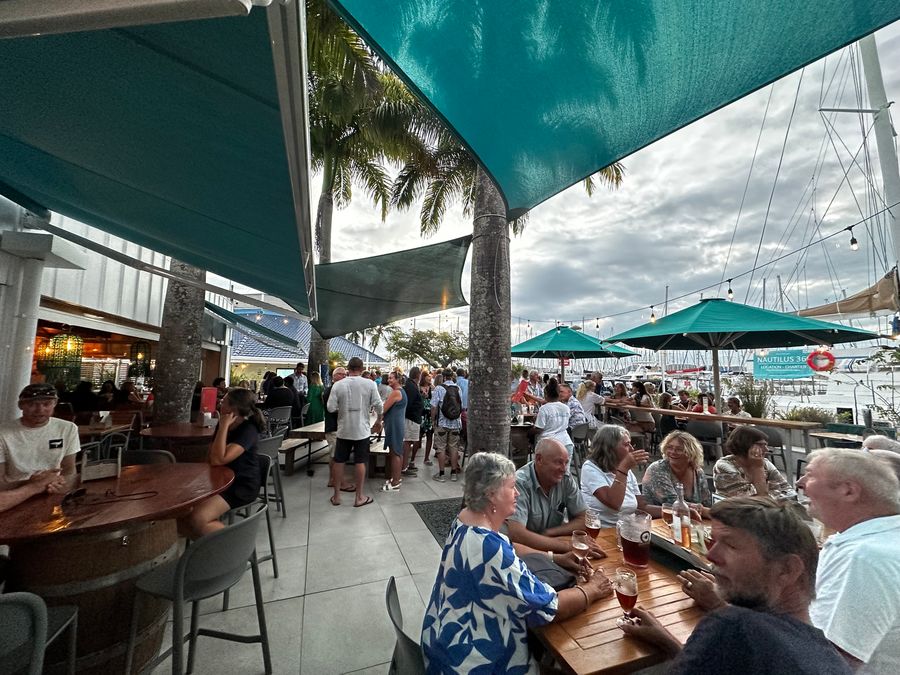
Across the water, Sausalito feels altogether more intimate and nautical. Waterfront restaurants, galleries and hillside homes make it a natural lunch stop or overnight, with marinas such as Schoonmaker Point Marina or Clipper Yacht Harbour, which takes vessels up to 80 feet, on offer. The views back towards San Francisco from here are among the best the bay has to offer. Tiburon, nearby, is another good option, with its own waterfront dining, a tidy village centre and fine views across to Angel Island and the East Bay. Book ahead for marina space, especially on summer weekends.
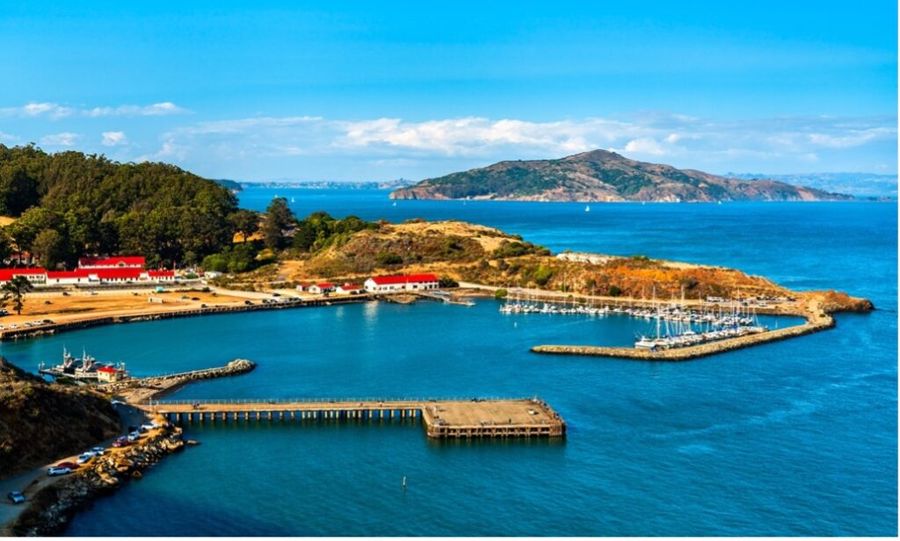
Angel Island might be the single most rewarding stop in the bay. It's close to a major city, yet somehow still feels like an escape. Ayala Cove has day-use boat slips and designated overnight mooring buoys, though visiting yachts should check current arrangements and vessel suitability before arriving. Ashore, walking trails wind through woodland to old military sites and lookout points over the bay. Natural beauty and genuine history sit side by side here.
Alcatraz Island is essential viewing but not really an overnight stop, better appreciated from the water than alongside it. Its former federal penitentiary and military fortifications sit in a commanding position in the central bay. Treasure Island and Yerba Buena Island, nearby, offer changing views of the San Francisco skyline and the eastern waterfront, though shore access and suitable berthing need separate checking.

For something quieter, the bay's northern reaches are worth the extra miles. Beyond the Richmond and San Rafael bridges, San Pablo Bay opens into broad water framed by marshland, low hills and working waterfronts. Point San Pablo Yacht Harbour, in Richmond, can serve as a base for exploring this less urban corner, facilities and berths permitting.
The Petaluma River is a different proposition again, better suited to yachts with the right draft and air clearance. There are several bridges to navigate, fixed, drawbridge and swing types among them, some needing advance notice for an opening. The river winds inland through marsh and farmland to the town of Petaluma itself. Narrower channels and shifting depths mean this isn't a detour to take lightly, so check the charts, tides and clearances first.
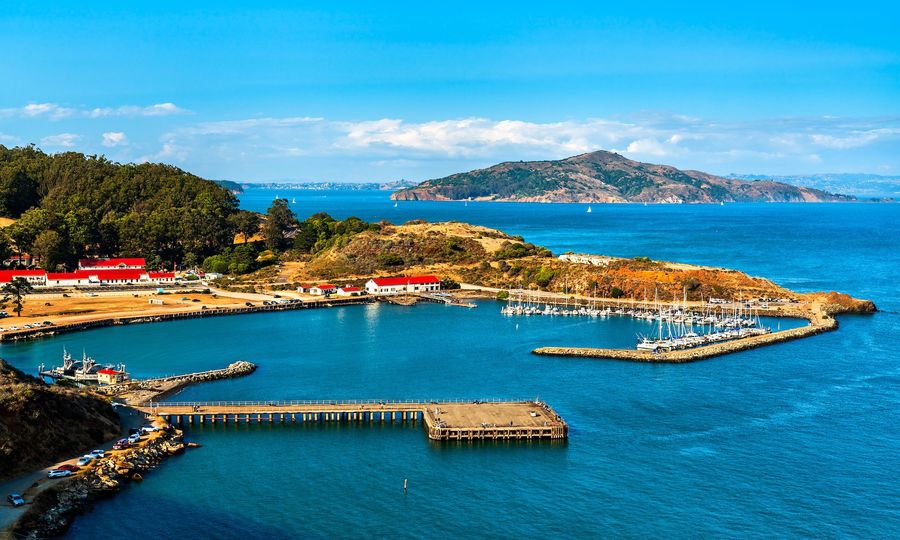
Overnight choices should come down to weather, vessel size and the purpose of the stop. Angel Island's designated moorings offer an alternative to a conventional marina berth, while San Francisco, Sausalito, Tiburon and Richmond all give access to proper shore facilities.
The bay looks enormous on the chart, but suitable anchorages aren't limitless. Strong currents, exposed fetch, commercial traffic, shallow margins and sensitive habitat all dictate where it's actually sensible to stop. In San Pablo Bay, extra care is needed around the tidal flats and slough entrances, where depths can shift considerably. A charted, protected anchorage beats an attractive but exposed one every time.
Seasons, conditions and navigation
The cruising season runs year-round, though late spring through early autumn generally delivers the best combination of long days, pleasant temperatures and decent waterfront life. June through September is particularly good for time on deck and evenings ashore.
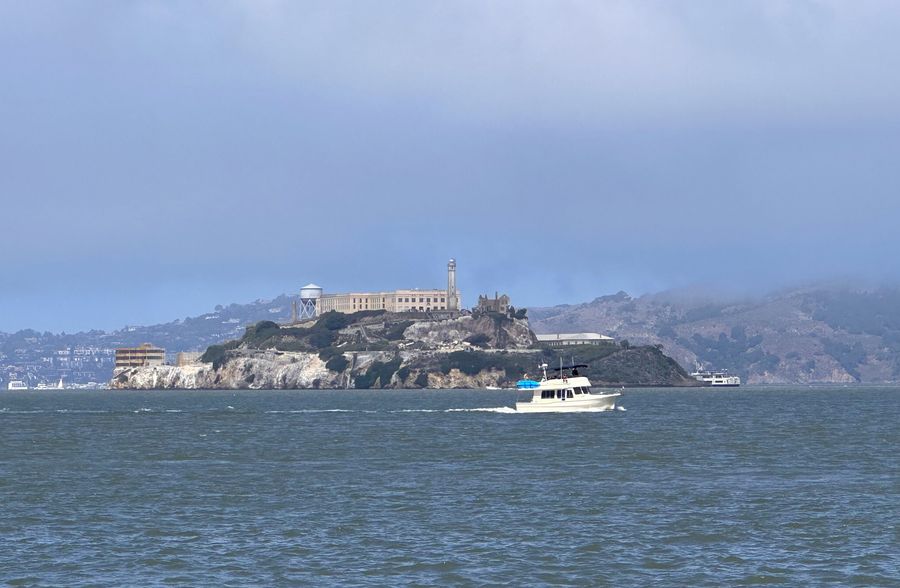
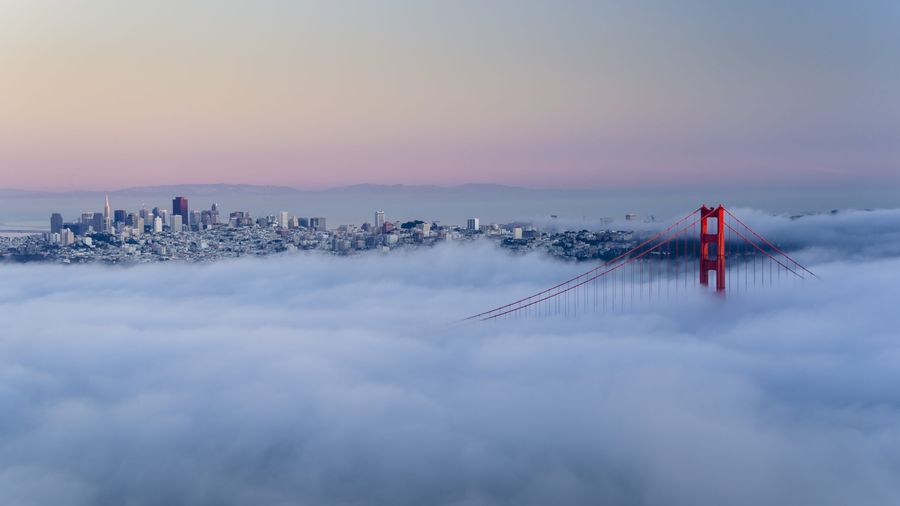
San Francisco's maritime climate, though, has a habit of catching visitors out. Summer often brings cool marine air, low cloud and fog, especially around the Golden Gate and the Pacific approaches. A warm afternoon in the city can mean something far cooler out on the water.
September and October tend to be the standout months, with clearer skies, good light over the Marin hills and settled weather more often than not. Spring brings green hillsides and migrating birds, though rain and changeable weather can complicate longer runs. Winter cruising remains possible for well-prepared boats and experienced crews, but shorter days and unsettled conditions near the Golden Gate mean flexibility matters more than usual.
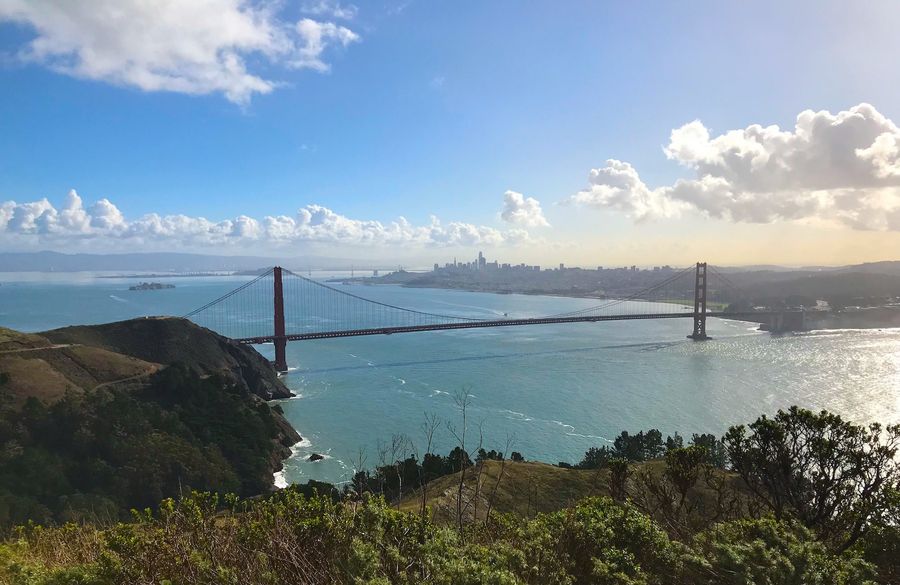
Local navigation deserves real respect, even from a capable motor yacht. The Golden Gate links the bay to the Pacific through a fairly narrow entrance where tidal streams can run hard. When a strong ebb meets incoming ocean swell, steep and confused seas can build quickly near the entrance and the adjacent headlands.
The central bay can also kick up substantial afternoon wind, particularly in summer, while San Pablo Bay turns choppy when wind runs against tide. Tides and currents need to sit at the centre of every passage plan, not as an afterthought. Current predictions, tide tables, up-to-date charts and a reliable forecast should all be checked before leaving the dock.
Commercial shipping works throughout the bay, and big ships don't manoeuvre or stop quickly. Recreational boats need to stay alert and keep well clear of established shipping lanes. Fog can close in fast, so working electronic navigation gear, radar where it's fitted, proper navigation lights and sound-signalling equipment all matter. Skippers should also check local regulations, safety equipment rules and any operating restrictions before heading out.
Wildlife and the natural environment
The natural environment is one of the bay's real drawcards. San Francisco Bay is a rich estuarine system where Pacific salt water meets freshwater flowing down from the Sacramento and San Joaquin river systems. Mudflats, eelgrass beds, shallow channels and tidal marshes all provide feeding and nursery habitat for marine life.
San Pablo Bay's extensive wetlands are particularly good for resident and migratory birds, herons, egrets, shorebirds, ducks and other waterfowl among them. The marshes and sloughs also support fish, including juvenile salmon moving through the estuary.
Marine mammals add another layer to the experience. Harbour seals rest on rocks and known haul-out sites, while California sea lions are commonly seen near waterfront structures. Harbour porpoises and other cetaceans turn up too, though sightings are never guaranteed, and whales are possible in the wider region depending on the season and migration timing.
Birdlife is especially striking in the northern wetlands, where big numbers gather during migration and over winter. It's less about dramatic coastal scenery here than subtle shifts in water, light and habitat. From a quiet anchorage you might watch birds working the mudflats, seals surfacing nearby, and the marsh itself changing character as the tide turns.
Responsible cruising matters in these waters. Keep a respectful distance from marine mammals, avoid disturbing resting seals or bird colonies, and observe any protected-area restrictions. Manage waste, fuel and wastewater carefully and in line with the rules. In the shallower estuarine stretches, excessive wash can disturb wildlife and erode fragile shoreline.
Handled thoughtfully, a luxury yacht can give owners a genuine window into the bay's wildlife without putting the habitat that supports it at risk.
Islands and maritime heritage
The bay's islands are central to its character, carrying stories of Indigenous heritage, immigration, military strategy and conservation alongside the scenery.
Angel Island is perhaps the clearest example. It formed part of the traditional homeland and seasonal landscape of the Coast Miwok people, who fished, hunted and travelled its shores and surrounding waters. Through the nineteenth and twentieth centuries it became a military reserve, later hosting quarantine and immigration facilities.
Between 1910 and 1940, Angel Island's immigration station processed hundreds of thousands of arrivals, including many Chinese immigrants caught up in discriminatory exclusion laws. For many, the island meant uncertainty and separation as much as hope for a new life in America. The surviving buildings and inscriptions still carry that weight today, a poignant layer beneath an otherwise peaceful setting. Its military sites and panoramic trails make it well worth the time ashore.
Alcatraz carries an equally heavy history. Its position made it useful for coastal defence long before it became a federal penitentiary, operating from 1934 to 1963. It later became a landmark of the modern Native American civil rights movement, occupied by Indigenous activists between 1969 and 1971. Today its prison buildings sit alongside protected seabird habitat, an odd and striking pairing.
Further north, Mare Island in Vallejo reflects the bay's naval importance. Its former US Navy shipyard played a significant role in shipbuilding, repairs and military operations over the decades. Elsewhere, San Francisco's growth as a major port during the Gold Rush reshaped the whole region, while Sausalito, Tiburon and Richmond all grew up around shipping, ferries, industry and maritime trade.
These stories sit right there along the waterfronts and islands, giving a yacht journey a sense of place well beyond the scenery. Seeing it from the water brings out the strategic position of the islands, the pull of the working harbours, and just how closely the region's development has tracked its waterways.
Frequently asked questions about luxury yacht cruising in San Francisco Bay
Why is San Francisco Bay a popular destination for luxury yacht cruising?
San Francisco Bay is one of North America's most iconic cruising destinations, offering a combination of world-famous landmarks, protected waterways and access to offshore adventures along the California coastline. From the Golden Gate Bridge and Alcatraz Island to the picturesque harbours of Sausalito and Tiburon, the region rewards owners who enjoy spending extended time on the water. For Maritimo owners, the bay's mix of open-water passages, sheltered anchorages and coastal exploration opportunities complements a long-range cruising lifestyle well.
What is the best time of year to cruise San Francisco Bay in a luxury motor yacht?
The most popular time for luxury yacht cruising in San Francisco Bay is from late spring through autumn, particularly between June and October. September and October are often favoured for their clearer skies, mild temperatures and excellent cruising conditions. As weather, tides, fog and wind conditions can change quickly, experienced yacht owners should review marine forecasts and passage plans before departure. Comfortable all-weather cruising capability is especially valuable when exploring the bay and the wider Northern California coastline.
What are the best places to visit by yacht in San Francisco Bay?
Popular yacht destinations include San Francisco's vibrant waterfront, the waterfront dining precincts of Sausalito and Tiburon, historic Angel Island and the natural wetlands of San Pablo Bay. Owners can cruise beneath the Golden Gate Bridge, enjoy spectacular city views from the water and experience some of the most unique boating destinations on the US West Coast. Those seeking longer adventures can extend their cruising itinerary beyond the bay and explore California's coastal cruising grounds.
What makes San Francisco Bay a rewarding destination for Maritimo owners?
San Francisco Bay offers exactly the type of varied cruising environment that appeals to experienced Maritimo owners. From relaxed day cruising and waterfront entertaining to multi-day coastal passages, the region accommodates a wide range of boating experiences. Access to offshore waters, changing conditions and longer cruising distances highlights the benefits of fuel efficiency, offshore capability, shaft-drive reliability and onboard comfort, attributes that have become synonymous with the Maritimo brand.
How should you prepare for a luxury yacht cruise in San Francisco Bay?
Preparation begins with reviewing weather forecasts, tides, currents and navigational charts. Particular care should be taken around the Golden Gate, where tidal flows, wind and visibility can change rapidly. Owners should confirm marina berths or moorings in advance and ensure their vessel is prepared for the intended itinerary. For longer journeys, a yacht designed for extended time aboard can enhance comfort, convenience and confidence, whether cruising within the bay or venturing further along the coast.
Where are the best overnight destinations for yachts in San Francisco Bay?
San Francisco, Sausalito, Tiburon, Angel Island and Point San Pablo Harbour are among the most popular overnight stops. Each offers a different experience, from world-class dining and waterfront entertainment to peaceful natural surroundings and historic attractions. Angel Island remains a favourite among cruising enthusiasts thanks to its scenic moorings, walking trails and panoramic views of the bay. Longer itineraries can also incorporate less-travelled destinations throughout Northern California's coastal waterways.
What wildlife can be seen while cruising San Francisco Bay?
San Francisco Bay is renowned for its diverse wildlife. Cruisers may encounter harbour seals, California sea lions, harbour porpoises and a wide variety of seabirds throughout the region. The wetlands and estuaries of San Pablo Bay are especially attractive for birdwatching, offering opportunities to observe herons, egrets and migratory species. Responsible boating practices help protect these habitats while allowing owners to enjoy memorable wildlife encounters from the water.
What historical landmarks can you experience from a yacht in San Francisco Bay?
Cruising by yacht provides a unique perspective on some of California's most significant historical landmarks. Highlights include Alcatraz Island, Angel Island's Immigration Station and Mare Island's naval heritage. Viewing these locations from the water offers a deeper appreciation of the region's maritime history and reinforces why San Francisco Bay remains one of the world's great cruising destinations.
Why is a long-range motor yacht well suited to exploring San Francisco Bay and the California coast?
Many owners choose to extend their adventures beyond San Francisco Bay and explore the spectacular Northern California coastline. A long-range motor yacht allows greater flexibility to visit remote destinations, spend more time aboard and cruise with confidence across varying conditions. Maritimo's focus on shaft-drive efficiency, offshore pedigree, practical luxury and owner-focused design makes extended cruising more comfortable, enabling owners to spend less time planning fuel stops and more time enjoying the journey.
How does cruising San Francisco Bay reflect the Maritimo lifestyle?
Cruising San Francisco Bay is about more than reaching a destination. It's about the freedom to explore, entertain, discover new anchorages and create lasting memories with family and friends. Whether enjoying a waterfront lunch in Sausalito, spending a weekend aboard at Angel Island or heading beyond the Golden Gate for a coastal adventure, the experience reflects the independent cruising lifestyle that sits at the heart of Maritimo ownership.