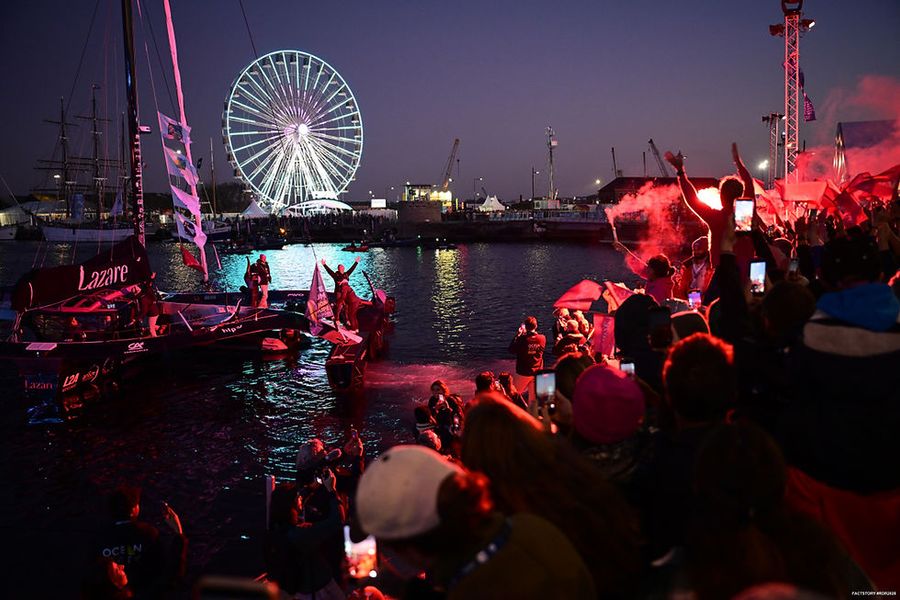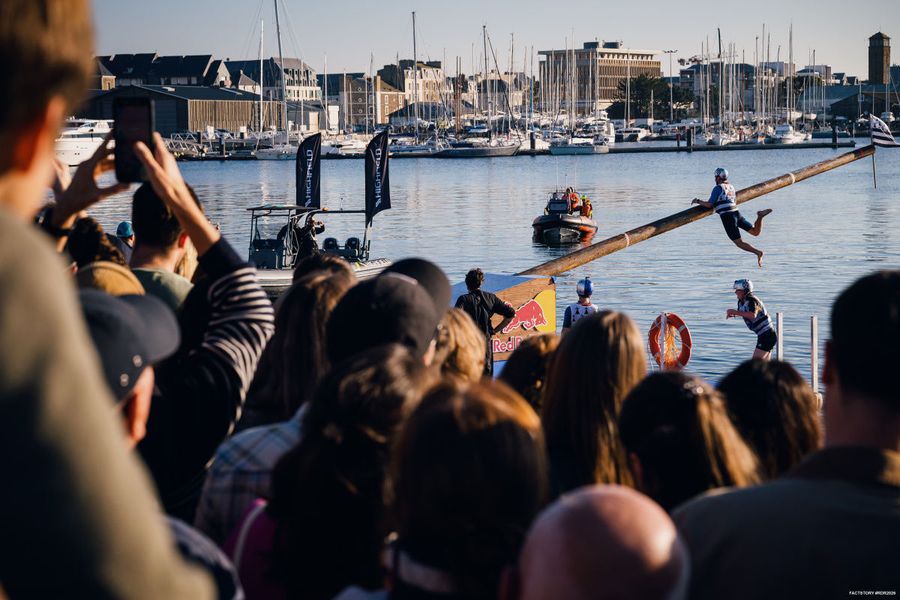
Saint-Malo is on the cusp of it now.
With the start just hours away, the Route du Rhum village has settled into the particular mood that grips a race town the night before departure. Crowds have thickened along the quaysides, and there is a restlessness in the air that no amount of official programming can quite capture.
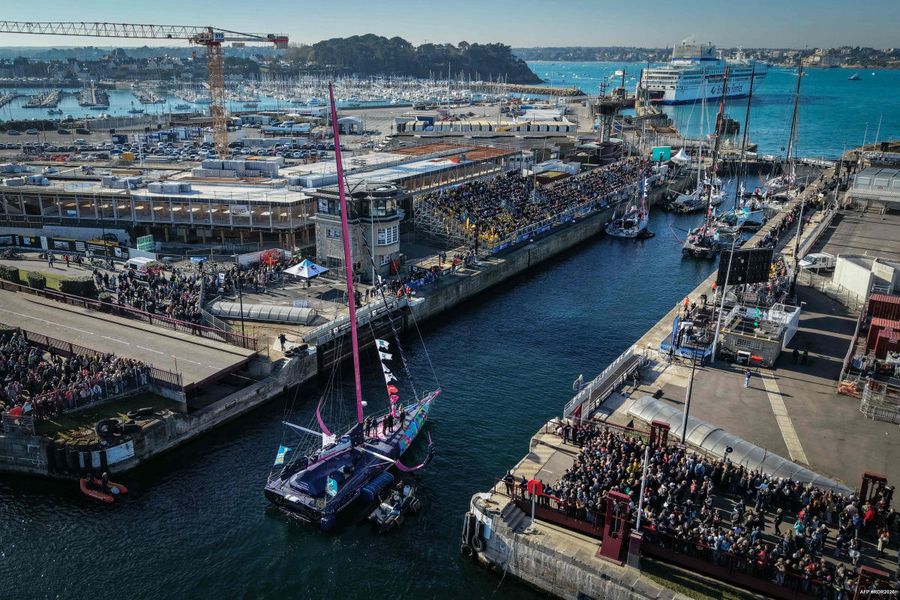
The photographs coming out of the port tell their own story: skippers moving between their boats and the pontoons, support teams making final checks, the quiet, focused activity that precedes a transatlantic solo race rather than follows it. Nothing dramatic, just the steady business of getting ready.
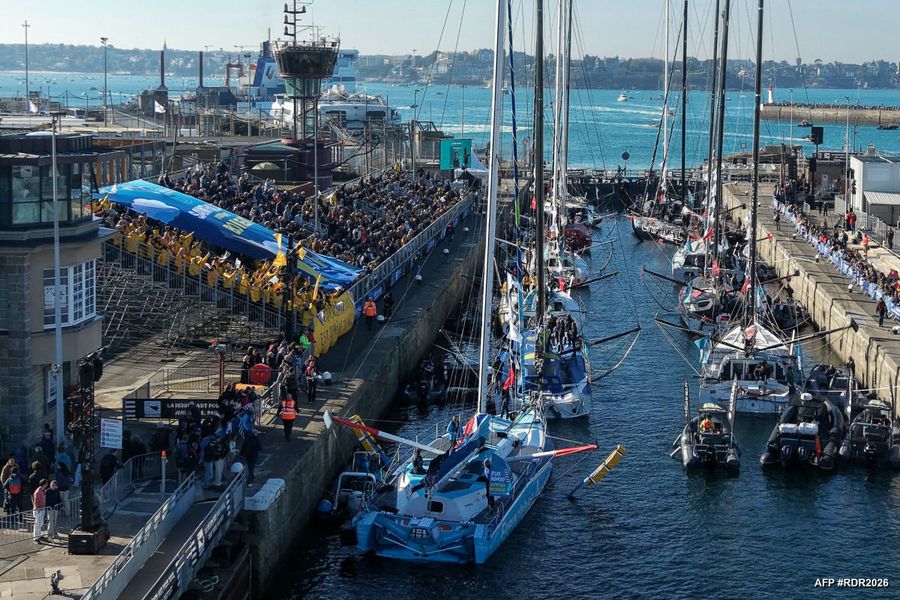
For a New Zealand audience that watches the IMOCA and Ultim classes closely, this race carries particular weight. The Route du Rhum has long been a proving ground for technology and sailors that eventually find their way into other offshore campaigns, including those with Kiwi designers, builders and sailors attached.
Saint-Malo's ties to the wider world of grand prix ocean racing run deep, underlined by the arrival of boats like Sébastien Simon's radical new Groupe Dubreuil - Air Caraïbes, a Guillaume Verdier design that has turned heads on the pontoon for all the wrong reasons by IMOCA convention.
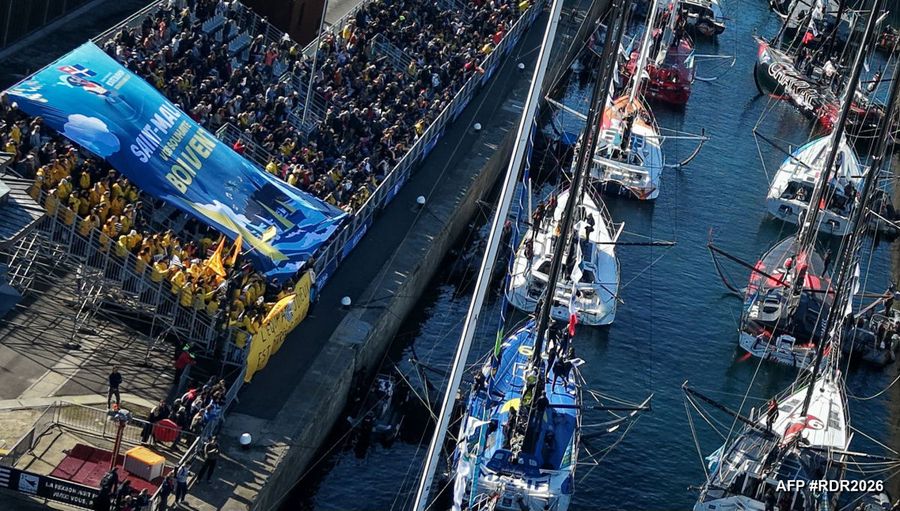
The fleet spans multiple classes, from the giant Ultim trimarans down through the IMOCAs, Class40s and smaller divisions, each with its own rhythm of preparation. The send-offs have built in intensity over the past few days, from the record crowds that farewelled the Ocean Fifty trimarans at sunset on Saturday to the sunnier, more relaxed mood that greeted the IMOCA fleet's departure the following morning.
Tonight, though, the talk is less about numbers and more about weather, routing and nerves. Race director Francis Le Goff has already flagged that conditions could hardly look better for Sunday's start, with a settled high offering the fleet a real shot at record speeds once clear of the Channel. It is a welcome change after the unusual, almost eerie calm that an anticyclone parked over the North Sea had imposed on the region in the lead-up.
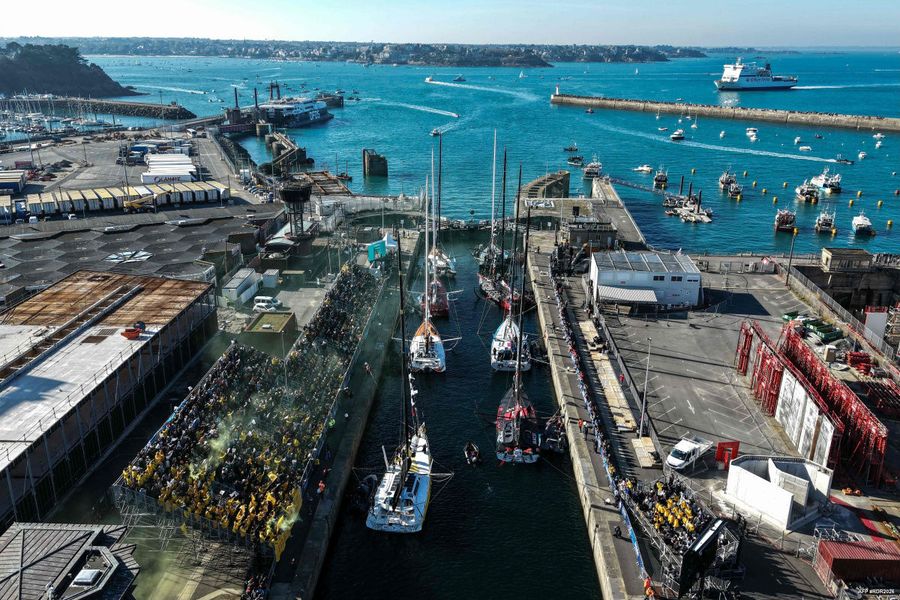
Photographers have been working the pontoons hard over the past few days, and the images released show the full sweep of village life: skippers in quiet conversation, crowds pressing against the barriers for a glimpse of their favourites, boats lit under the evening sky.
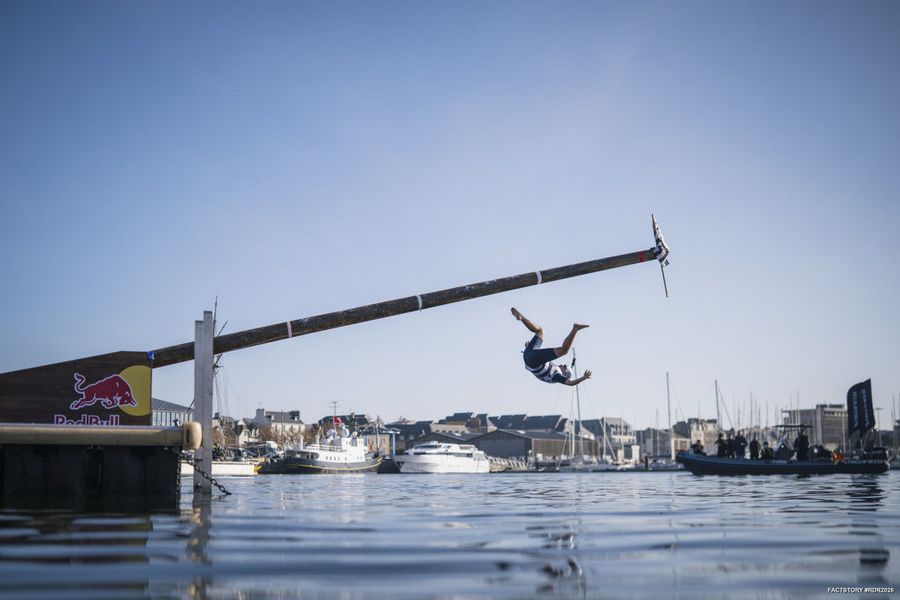
Photographs alone struggle to convey the scale of it. Saint-Malo at this point in the build-up is both a sailing event and a civic occasion, with the whole town drawn toward the harbour.
By tomorrow, the focus moves from the dock to the open water, from last checks to actual racing. Tonight belongs to the village: the last conversations, the last adjustments, the last look at the sky before the fleet commits to the Atlantic.