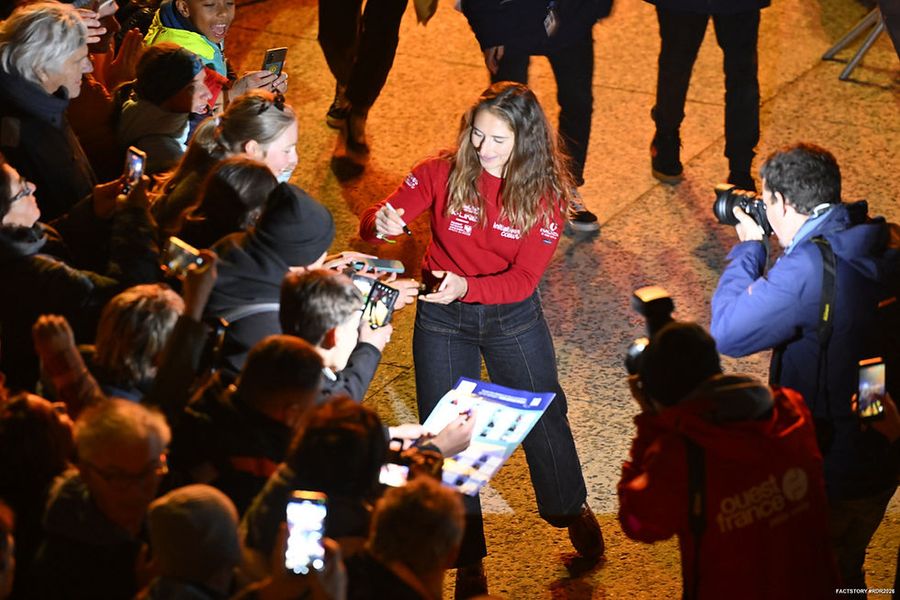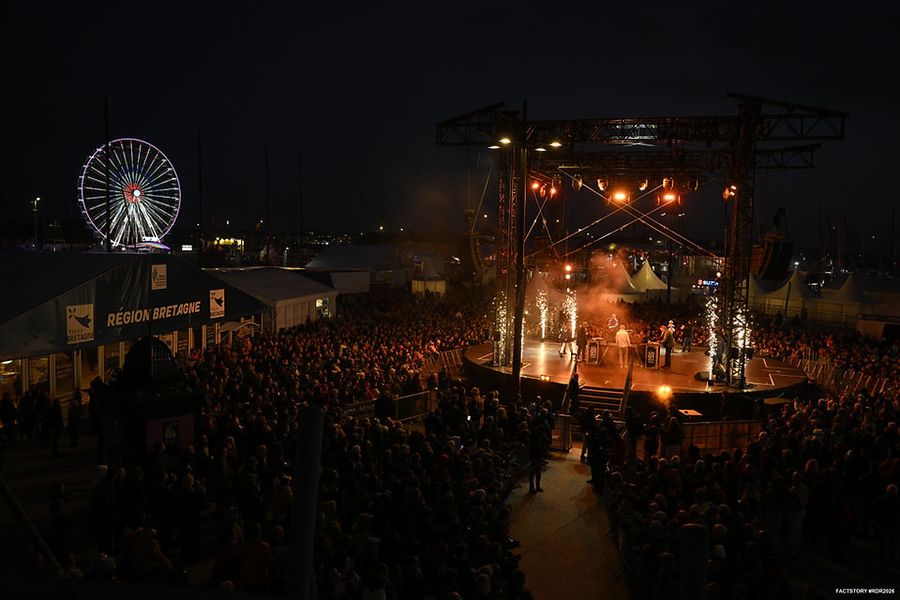
Before the ocean swallows them whole, Saint-Malo's sailors are getting their send-off from the crowds.
The Route du Rhum village has become the real story in the days before the Destination Guadeloupe 2026 fleet departs. Thousands have packed the walkways around the port, cameras raised, kids on shoulders, all straining for a glimpse of the boats that will soon be utterly alone on the Atlantic. It echoes the scenes described as the sun set behind the ramparts and waves crashed onto the Sillon beach during the skippers' public presentation, the elements already seeming to close in as an omen of what lies ahead.
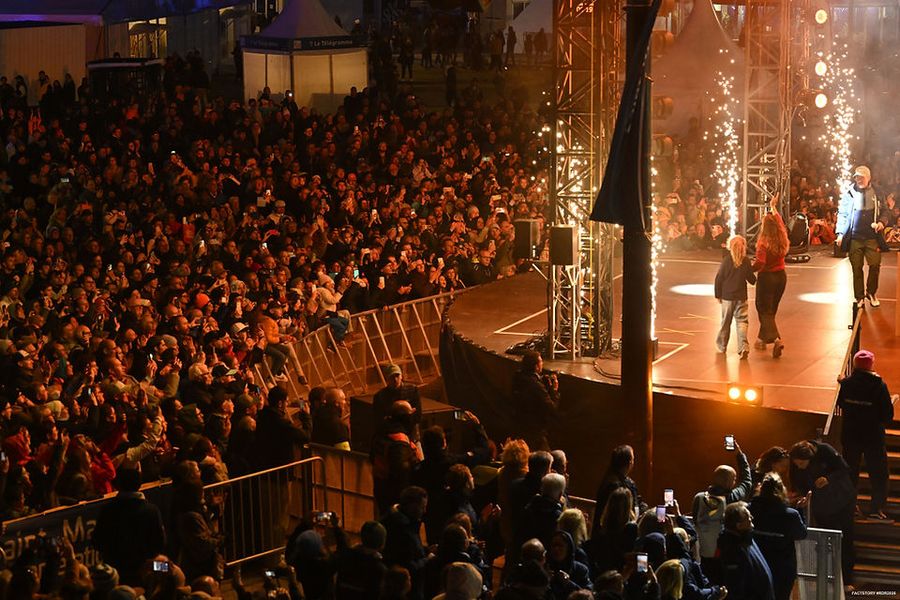
That contrast is the whole point of the Rhum. Before the solitude, the spectacle.
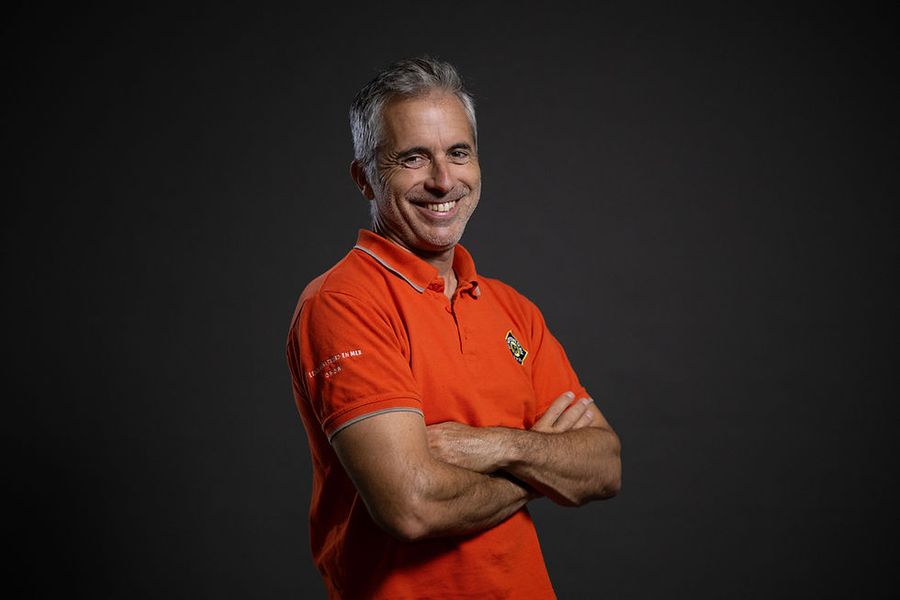
Photographers Vincent Curutchet and Vincent Olivaud have been capturing the scenes dockside, alongside images from Sebastien Salom-Gomis for AFP. Their work shows skippers signing autographs, posing for selfies, and squeezing in last conversations with family before weeks of isolation at sea.
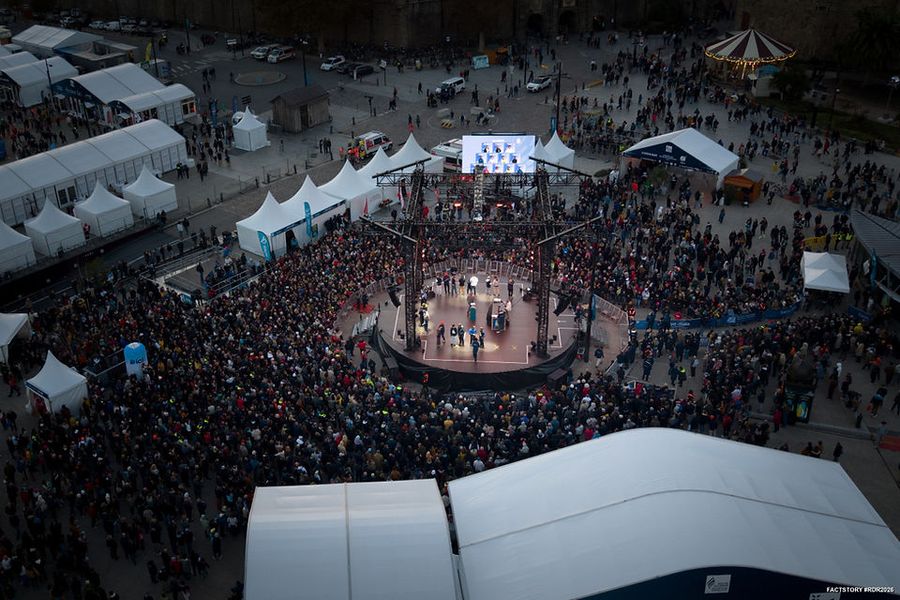
It is a ritual as old as the race itself. Saint-Malo has hosted the Rhum since 1978, and the town empties into its harbour every four years for exactly this reason.
The pontoons are heaving.
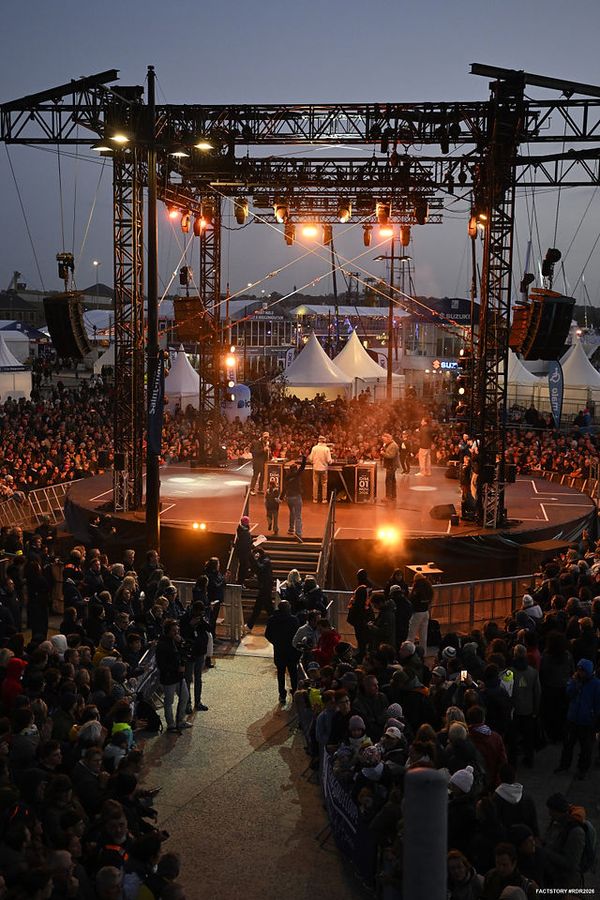
Walking the docks this week, the mood has shifted. Where once there was quiet technical work, checking rigging, tweaking foils, there is now a kind of nervous energy among the sailors themselves. Crowds do that. However prepared a skipper is for weeks of solitude, the week before departure is anything but solitary. Even the talk among sailors has turned practical rather than tactical, with sleep emerging as the week's big talking point among competitors rather than bravado about the crossing ahead.
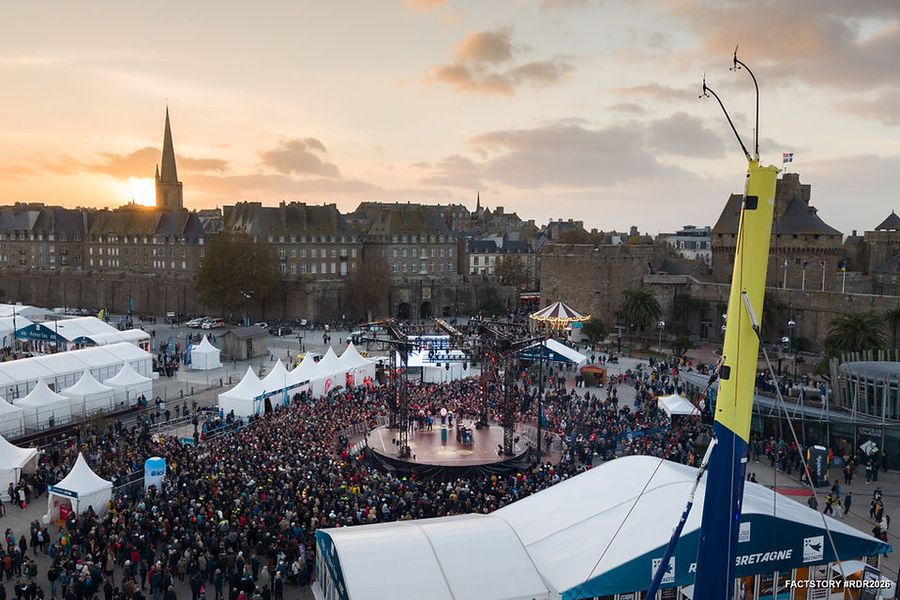
For competitors in the IMOCA and Ultim classes especially, this crowd attention carries extra weight. These are sailors who will spend the next fortnight or more in near-total isolation, making split-second calls on sail trim and routing with no one to consult. The bath of humanity in Saint-Malo is, in a strange way, fuel for what comes next.
New Zealand's offshore sailing community will recognise the pattern well, even if the scale in Saint-Malo dwarfs anything seen at home. Kiwi designers and sailors have long had a hand in the IMOCA and Ultim fleets, and that connection means plenty of eyes in New Zealand will be following events in Brittany closely in the coming days.
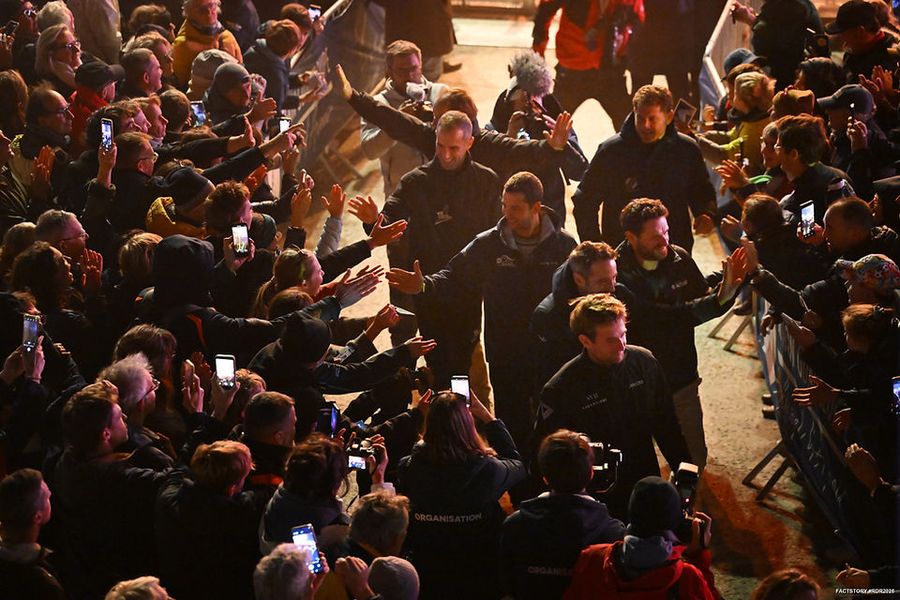
Soon enough, the noise will fall away entirely. Once the start gun fires, these same sailors will trade packed pontoons for empty horizons.
For now, though, it's handshakes, photographs, and one last taste of the crowd before the ocean takes over.