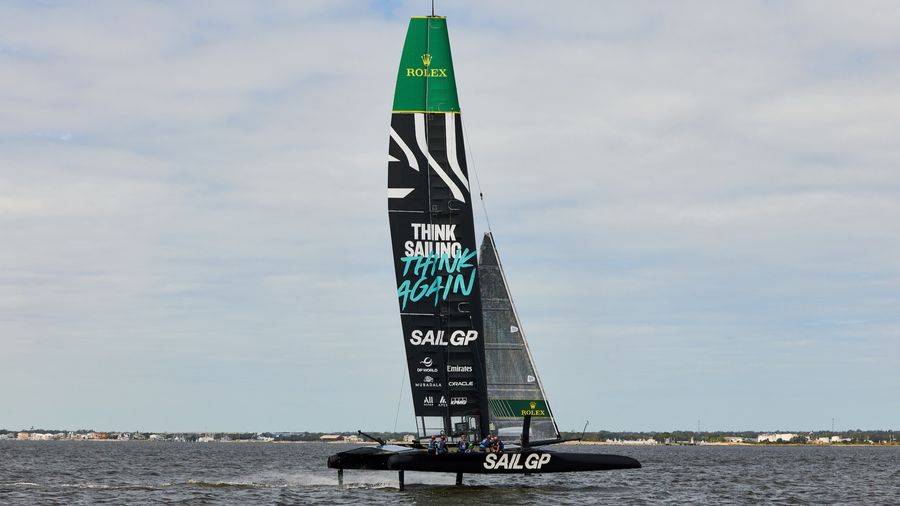
Three events into the 2026 season, SailGP arrives in Rio de Janeiro for one of its most visually striking stops on the calendar. The F50 catamarans will race across Guanabara Bay just metres from shore, with the city's dense urban fabric pressing to the water's edge and Sugar Loaf Mountain rising over everything. The bay carries a certain contradiction. As The Guardian recently put it, the bay is "postcard pretty and filled with pollution." Spectacle and complexity arrive together here.
The sailing conditions are expected to reflect that complexity. SailGP's on-water reporter Lisa Darmanin, who has sailed these waters, is not offering a straightforward picture. Current forecasts point to light and variable winds, a calm sea state, and a falling tide running through the afternoon. Darmanin is clear that "the tide really comes into play, especially around mark roundings and laylines," and she adds that the Serra do Mar mountains are capable of producing shifting, unpredictable wind patterns that can unsettle even the best-prepared team.
When winds go light and variable, raw boat speed matters less and tactical patience matters considerably more. Pressure will converge around the marks, where a single misjudgement can cost a team several places in moments. There is no indication of a split fleet format, meaning all teams are expected to line up together, which makes those starts even more consequential. In tricky, low-pressure conditions, a clean exit off the line could be the difference between a podium and a midfield result.
{{TABLE_1}}
The championship standings are already beginning to pull apart heading into Rio. Emirates GBR, skippered by Dylan Fletcher, leads on 28 points. The BONDS Flying Roos with Tom Slingsby sit second on 25, and the U.S. SailGP Team with Taylor Canfield are third on 20. DS Automobiles France also hold 20 points, which is a notable figure given they have missed two events entirely. They arrive in Rio with something to prove. Artemis, led by Nathan Outteridge, are on 15 points, one point behind Los Gallos in fifth. Red Bull Italy with Phil Robertson and Rockwool Racing with Nicolai Sehested are level on 11, just ahead of Germany.
The Auckland event threw a long shadow over what followed. A collision involving DS Automobiles FRA and the Black Foils ruled both teams out of Sydney, and the gap they left was not wasted. Taylor Canfield and the U.S. SailGP Team stepped through the opening with authority, Canfield securing his first event win as skipper and the team claiming their first victory since Cádiz in Season 4. Spain and Great Britain also produced strong results. Australia, racing on home water in Sydney, failed to reach the final after a single error in unstable conditions, marking the first time they had missed a Sydney final since SailGP began.
The Black Foils have not returned since Auckland. Their ongoing absence keeps the middle of the leaderboard more fluid than it might otherwise be, giving teams that would normally be chasing a cleaner run toward the front.
Artemis had a difficult time in Sydney, and given the quality of that programme, few would expect that to continue. Outteridge has raced in Guanabara Bay before, and familiarity with how the shifts behave here should allow him to commit to tactical calls earlier and with greater conviction than a skipper reading the conditions for the first time.
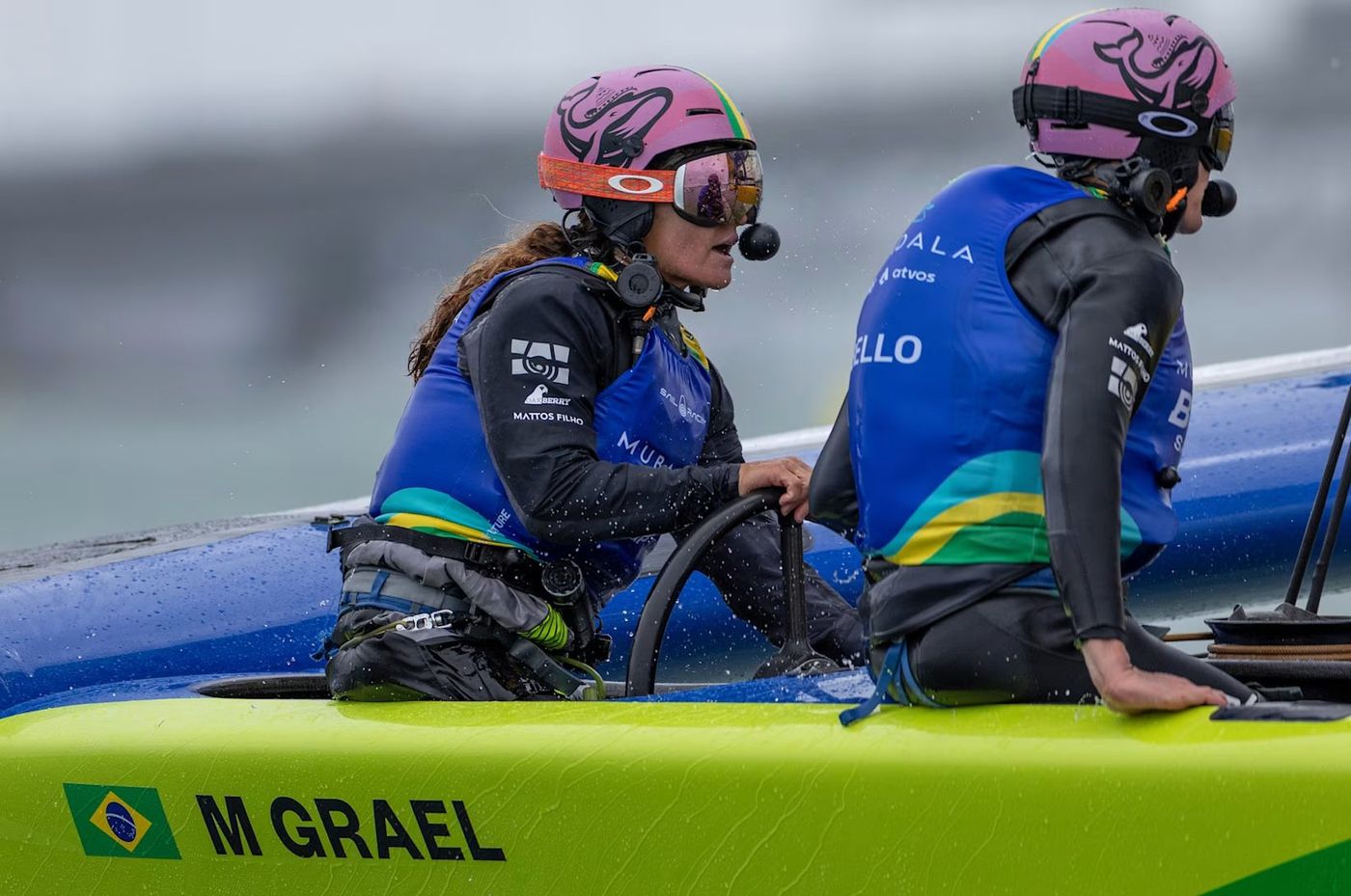
SailGP's Alex Hobern has named the U.S., France, and Brazil as his teams to watch in Rio. The Americans carry genuine momentum from Sydney. DS Automobiles France, back on the water after sitting out two rounds, will want to re-establish themselves quickly and remind the fleet what they are capable of. Then there is Martine Grael, driving the Mubadala Brazil SailGP Team. Grael won 49erFX gold alongside Kahena Kunze on these very waters at the 2016 Olympics, and she returns to Guanabara Bay now as SailGP's only female driver, in an entirely different kind of boat but with a deep understanding of just how quickly and deceptively conditions can shift here.
Tom Slingsby and the BONDS Flying Roos are also worth watching closely. Slingsby tends to be at his sharpest when a race fragments and opportunities open up for those willing to embrace disorder. Rio, with its tidal influences and shifting breeze, carries every ingredient to produce exactly that kind of racing. With the season standings only just beginning to separate, what unfolds on Guanabara Bay could reshape the picture all over again.