Amsterdam's mayor Femke Halsema awarded SAIL the Jubilee Medal on 21 August 2025, a civic honour reserved for institutions that genuinely shape a city's identity. For many observers, the recognition simply confirmed what Amsterdam's residents have long known: SAIL is woven into the fabric of the city itself.
The timing gives the medal particular weight. This year marks both the 10th edition of SAIL and Amsterdam's 750th anniversary, two milestones that sit alongside each other with an almost uncanny neatness. A city does not often find an event that so precisely echoes its own story, and Amsterdam has found one in SAIL.
That story begins with the sea. From a modest fishing settlement in the 12th century, Amsterdam grew into a maritime power whose reach touched every corner of the known world. The 17th-century Dutch Golden Age was its peak, driven by the port, by the far-ranging voyages of the Dutch East India Company (VOC), and by a network of canals and shipyards that made the city a centre of European shipbuilding. Trade, wealth, and ideas poured through the harbour. The sea did not merely sustain Amsterdam's economy. It built the city's character and fixed its place in world history.
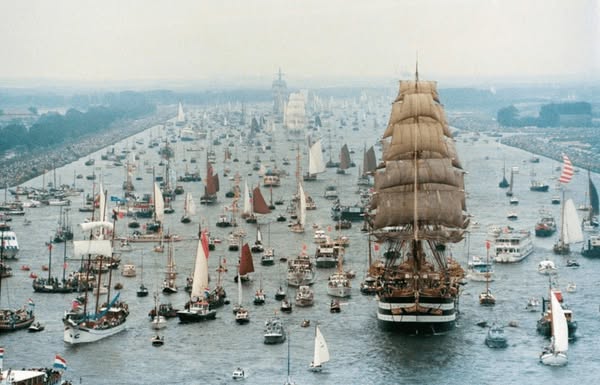
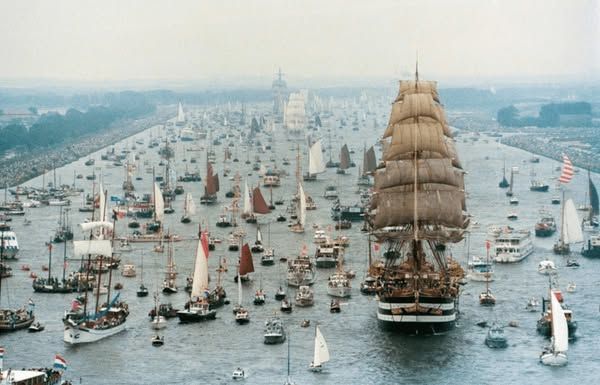
Sail Amsterdam was born in 1975 as a one-off celebration of the capital's 700th birthday. Eighteen tall ships and 500 smaller craft filled the IJ, conjuring an image that most people believed belonged only to paintings: the crowded, living harbour of the Golden Age, with East Indiamen, barges, and fishing fleets moving in and out as they once had done every day. The sight stirred something that outlasted the anniversary. People wanted the event again. And then again. What began as a single occasion grew into the largest tall ship festival in the world, drawing over 2.3 million visitors in a single week.
The centrepiece of every SAIL is the SAIL-In parade, when dozens of tall ships move in formation along the IJ, their masts rising above the modern skyline. Thousands of yachts, sloops, and canal boats press in around them, while every quay and bridge fills with onlookers. It is a maritime carnival, but instead of floats, entire ships pass by, some more than a century old, others freshly built, each carrying the history of the waters it has crossed.
To understand what those ships represent, it helps to know something of Amsterdam's own early history. In the early 1500s, the city was still rebuilding from a catastrophic fire in 1452 that had destroyed three-quarters of its wooden buildings. By the 1520s, brick had largely replaced timber, and the city's physical form was changing. So was its economic one. Once a humble fishing village, Amsterdam was becoming a significant force in Baltic maritime trade, importing grain and timber, exporting herring and beer. Innovations in ship design and in herring curing gave it an edge over the Hanseatic League.
Politically, the city sat within the Seventeen Provinces, bound together under Charles V's 1549 Pragmatic Sanction and drawn into the wider Habsburg realm. Religious reform was stirring unrest across Europe, and Amsterdam's Anabaptist communities faced persecution as the Reformation spread, planting fault lines that would crack open in the decades to come.
Those cracks widened through the late 1500s. Centralised rule, rising taxes, and religious intolerance fed resentment of Spanish authority. Amsterdam initially held back from rebellion, but the bloodless coup of 1578, known as the Alteratie, changed its course entirely. The city joined the Dutch Revolt, and as the Eighty Years' War gathered momentum, Amsterdam was free to shape its own future.
What followed was the Golden Age. The construction of the great canal ring, the founding of the stock exchange in 1602, the establishment of the Bank of Amsterdam in 1609: together these turned the city into the commercial and financial heart of Europe. Antwerp's decline became Amsterdam's opportunity. Fire, trade, and empire had all played their part, but water was the constant beneath all of it, the tide that carried everything forward.
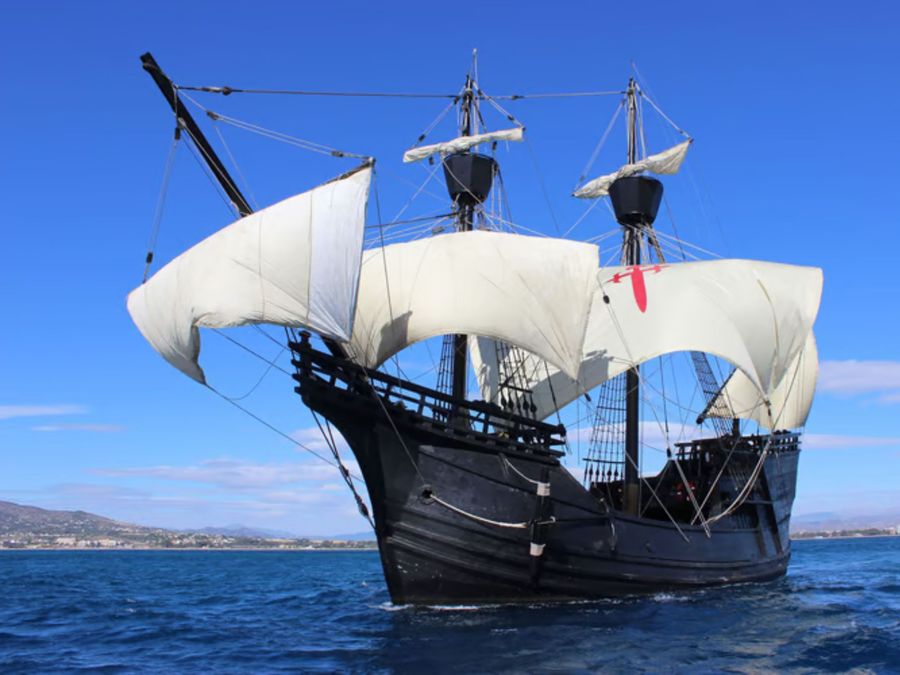
The ships gathered at SAIL 2025 span the full sweep of that history and beyond. Among them is a replica of the Nao Victoria, the vessel in which Ferdinand Magellan and Juan Sebastián Elcano set out from Spain in 1519 with five ships, searching for a westward route to the Spice Islands. Three years later, only Elcano and the battered Nao Victoria returned, having completed the first circumnavigation of the globe. Small, cramped, and scarred by storms, the Nao Victoria proved that the earth could be sailed around. At SAIL, her replica offers visitors the chance to stand on the same rough timber and feel, however faintly, what discovery once cost.
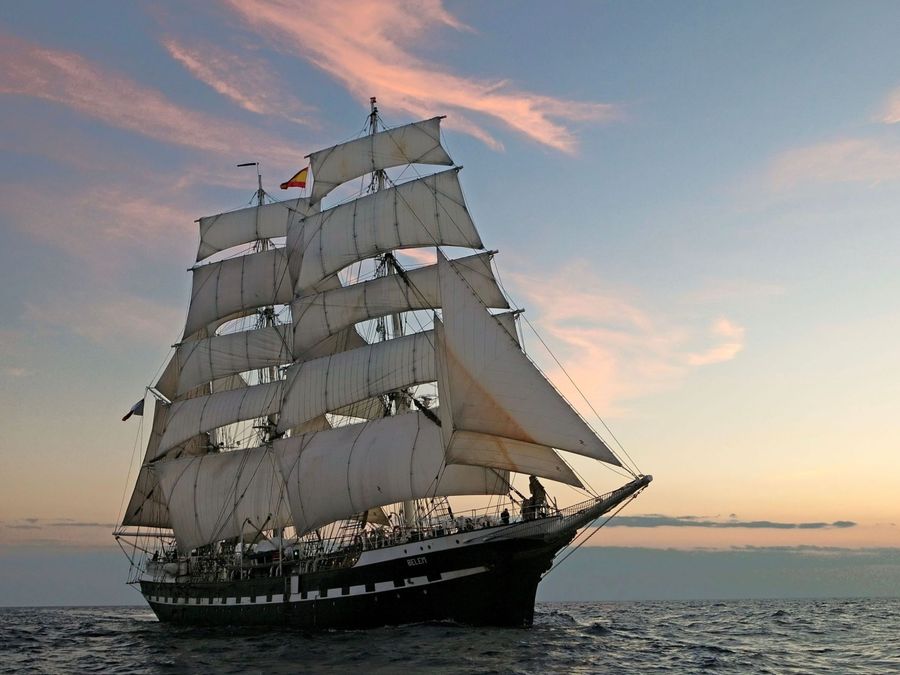
From that same era of exploration, the festival leaps forward to the Belle Époque, the age of peace, prosperity, and artistic confidence that settled over Western Europe in the late 19th century. In Nantes in 1896, the barque Belem was launched for the cocoa and sugar trade, even as steamships were already beginning to displace sail. Belem refused to become obsolete. She served as a luxury yacht for the Duke of Westminster, then as a family vessel for Guinness heirs, and finally as a training ship restored by the Belem Foundation. She arrives in Amsterdam as something rare: a single hull that contains the histories of commerce, wealth, and education all at once.
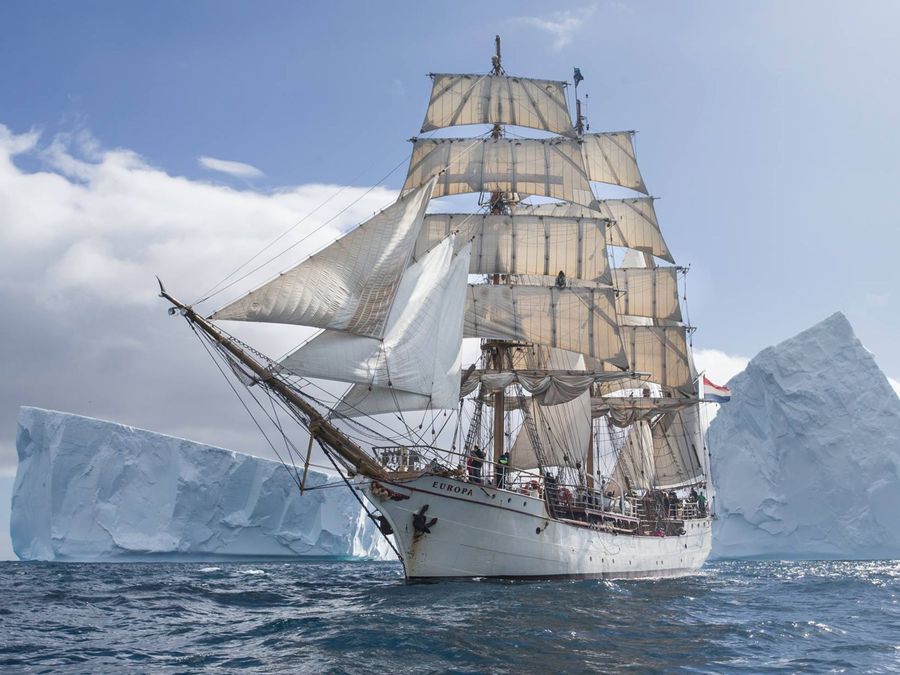
Another vessel with an unexpected biography is the barque Europa. She began her life in Hamburg in 1911 as the Senator Brockes, not a trading ship but a lightship, fixed permanently to one spot in northern waters to guide others safely past. The idea of a stationary ship eventually gave way to ambition. Rebuilt and rerigged in the Netherlands, she became the Europa, a vessel that now sails to Antarctica with trainees aboard. The contrast between her two lives could hardly be greater.
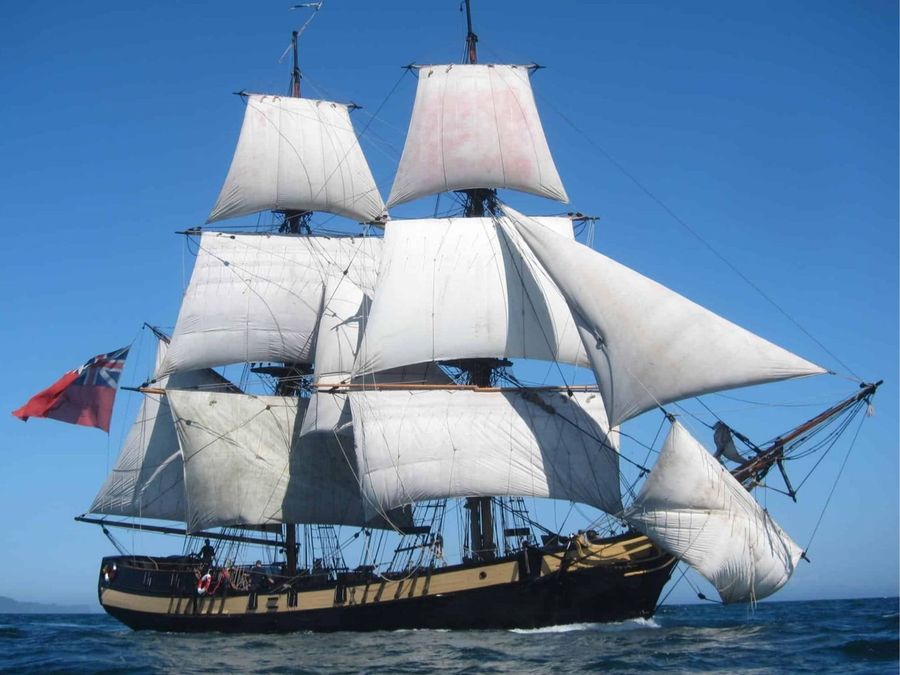
Denmark contributed the Phoenix, launched in 1929 as a wooden cargo freighter at a time when commercial sail was already in its final years. Steam and steel had effectively taken over the oceans, yet the Phoenix pressed on, eventually serving as a mission ship before finding an entirely different kind of fame. Rebuilt as a brig, she became a film vessel, appearing in 1492: Conquest of Paradise, Poldark, Outlander, and In the Heart of the Sea. Visitors stepping aboard at SAIL may find themselves in the curious position of recognising a 1929 Danish freighter from the cinema.
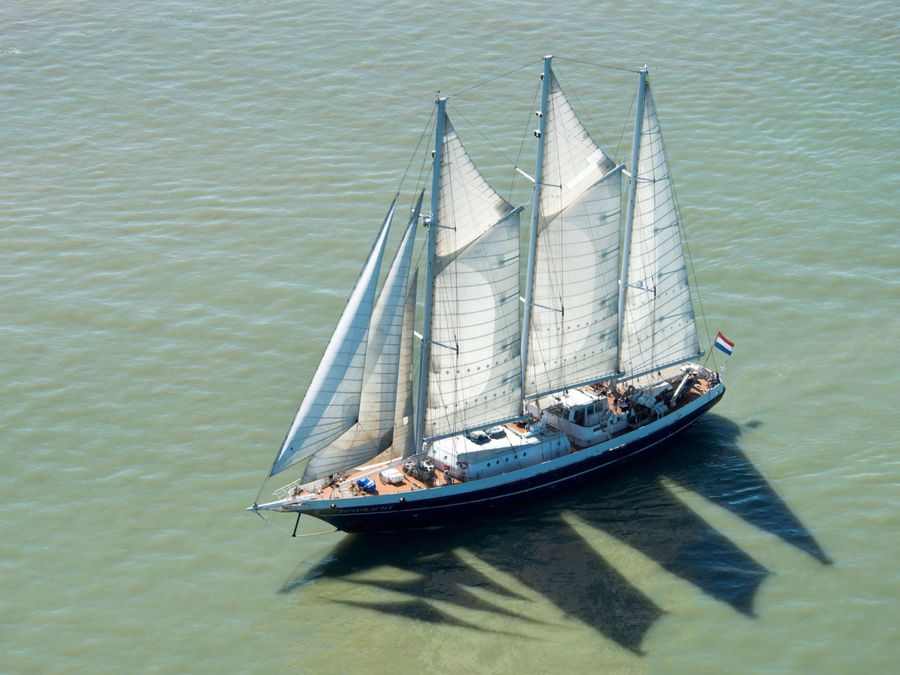
The Dutch contribution to SAIL's fleet of tall ships is the three-masted schooner Eendracht, whose origins lie in an anxiety shared by many Dutch sailors in the mid-20th century: that the shift to engine-powered vessels would cost a generation its seamanship. Volunteers responded by launching the first Eendracht in 1974 to keep traditional skills alive. The mission continued with the current vessel, christened by Queen Beatrix in 1989. Thousands of young sailors have since learned teamwork, navigation, and resilience on her decks.
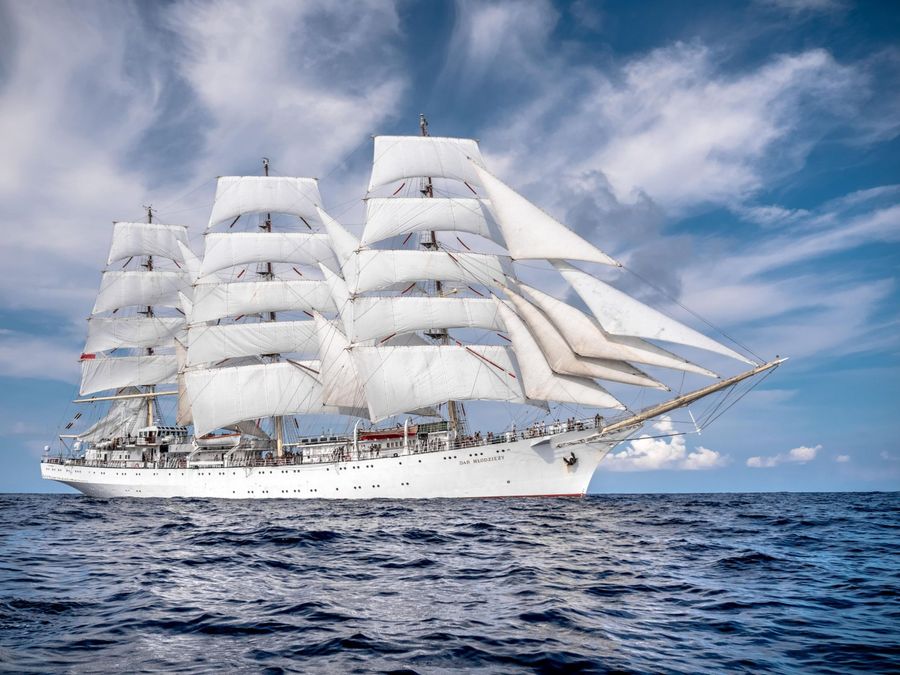
Poland's answer to the same question was the Dar Młodzieży, launched in 1981 and stretching 109 metres from stem to stern. Built for the Maritime University of Gdynia, her name translates as "Gift of Youth," and she has lived up to it, sailing more than half a million miles and circumnavigating the globe. She announced herself to the tall ship world with a dramatic victory over Germany's Gorch Fock in her first Tall Ships' Race. At SAIL, she stands as evidence that a modern ship can still carry lessons measured in centuries.
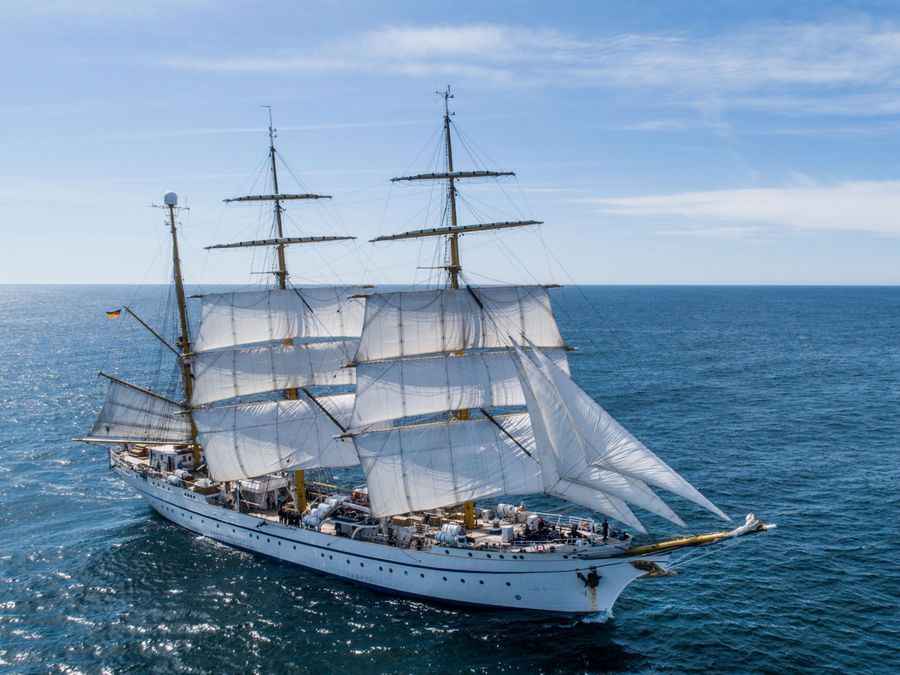
The Gorch Fock herself returns to Amsterdam for the first time since 1985. Launched in 1958, she is known as the "Ambassador in White" and represents German naval tradition with the kind of disciplined precision the description implies. Generations of naval officers have trained on her decks. Her reappearance at SAIL after 40 years carries its own quiet significance, a renewal of friendships that time had interrupted but not ended.
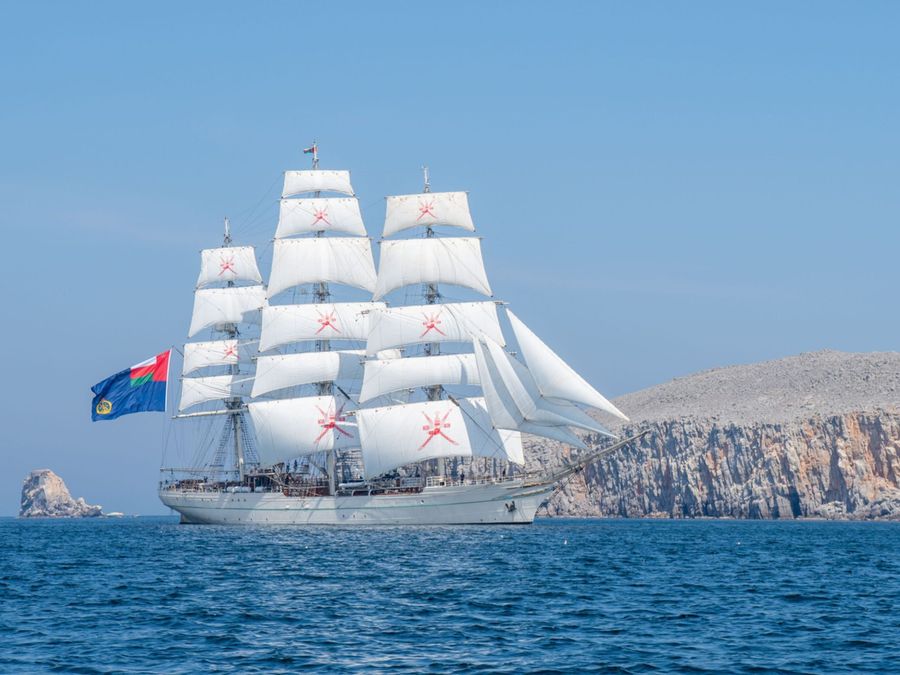
Among the more notable vessels in this year's fleet is the Shabab Oman II, for the straightforward reason that she was built in Amsterdam. Launched in 2014 for the Sultanate of Oman, she carries 34 sails and berths for 90, training Omani youth in navigation and leadership while serving simultaneously as a cultural envoy carrying a message of peace to ports around the world. Her return to Amsterdam closes a particular loop: a ship that began her life in this harbour, sailing back into it as a bridge between nations.
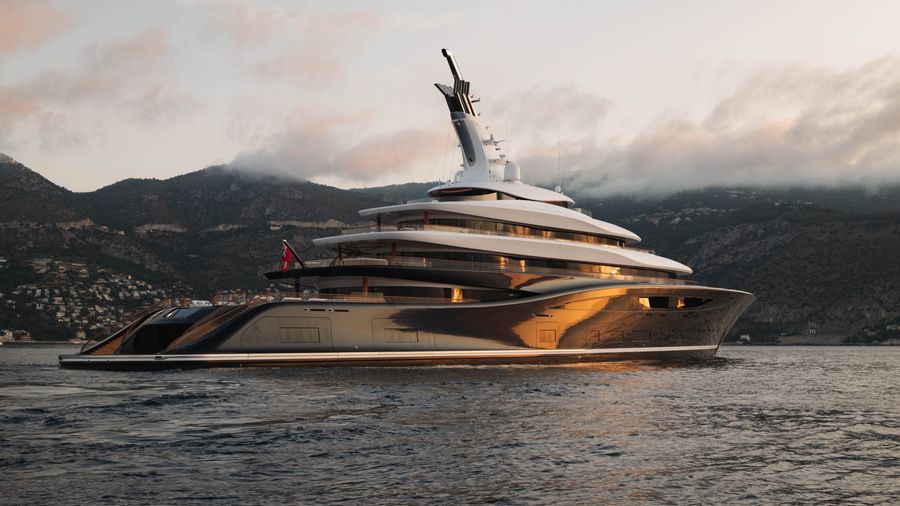
Surrounding these celebrated vessels are the Netherlands' own working and heritage fleets, less famous individually but no less important collectively. Classic Feadship yachts sit beside work-scarred barges. The sharp-bowed racers of the VKSJ and the flat-bottomed craft of the SSRP, marking their 70th year, find space alongside botters from the Zuiderzee, preserved by the Botterbehoud Association to keep alive fishing traditions once central to village life. Zeeland's high-sterned Hoogaars, the lifeboats of Oude Reddings Glorie, tugboats from the VDMS, the 2,500-strong commercial fleet of the LVBHB, and Schottel patrol boats all take their place in Amsterdam's harbour.
These are the vessels of everyday history. They carried not empires but communities.
Taken together, the fleet at SAIL Amsterdam 2025 amounts to a timeline made physical, stretching from the age of Magellan to the present day. It points forward as much as it looks back. From the Belem's Belle Époque craftsmanship to Denmark's workboats and Germany's naval trainers, each ship marks a point on a line that continues. Dutch innovators are still pushing the boundaries of composite construction, German yards still set standards in naval precision, French builders still produce superyachts, and Scandinavian designers are driving new thinking in sustainable boatbuilding. The spirit that produced the ships now moored along the IJ did not belong only to the past. It drives the next generation of designers, builders, and sailors just as surely. Amsterdam has always understood this. Neither the city nor the sea stands still.