Five of the six class winners in the Route du Rhum are now known, with Kieran Le Borgne closing in on the Vintage Mono title as finishers continue to stream into Pointe-à-Pitre. For those still out on the Atlantic, the coming days bring a mix of irregular trade winds, squalls and patches of calm.
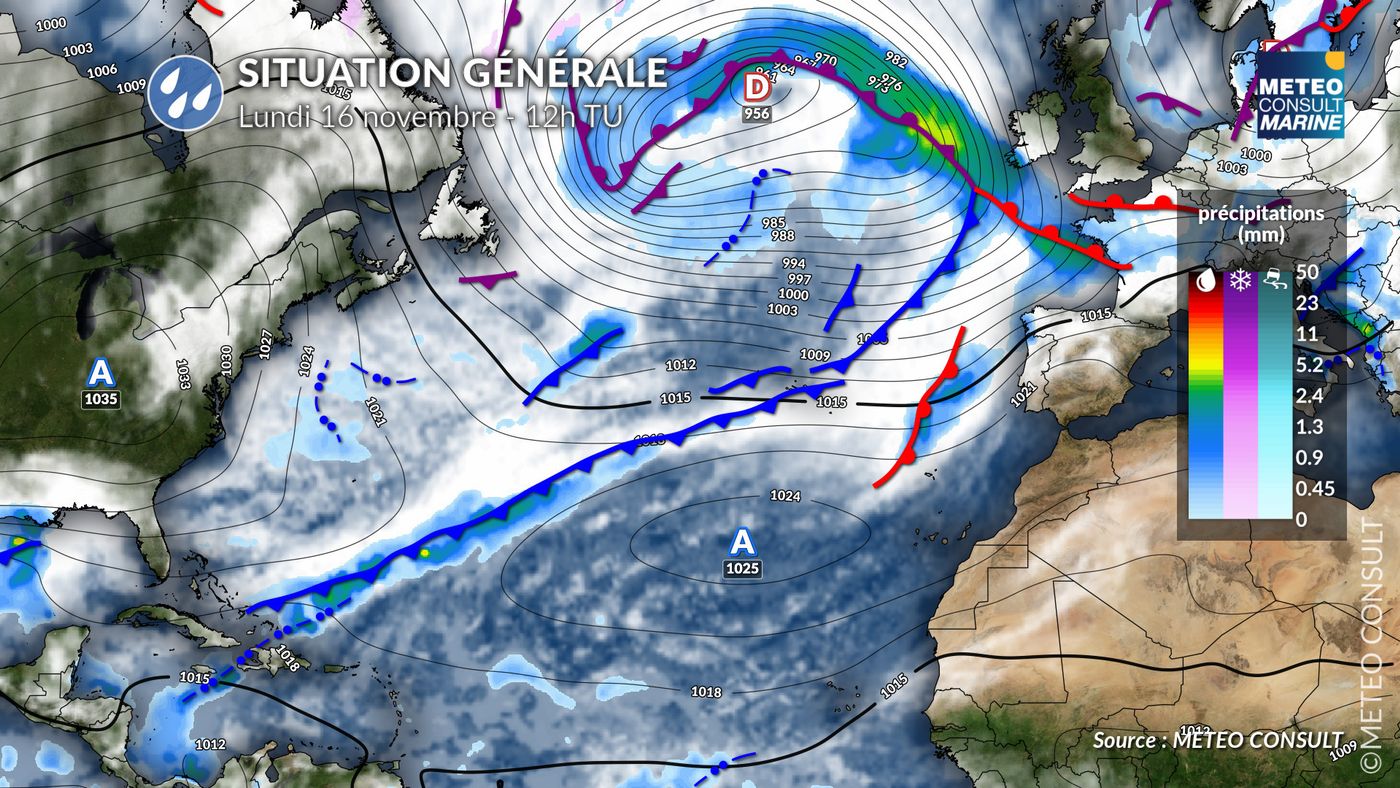
The question for the next wave of arrivals is whether they can count on a consistent, settled trade wind around Guadeloupe. For the fleet still badly strung out across the ocean, there's a trickier puzzle first: how best to cross the high-pressure ridge before picking up the trade wind on the approach to the Antilles.
Cyrille Duchesne, meteorologist at METEO CONSULT, the official weather partner of the Route du Rhum - Destination Guadeloupe 2026, breaks down the sailing conditions and strategic stakes from Monday through to Wednesday.
Skippers still mid-ocean face a genuinely mixed bag. The trade wind isn't behaving itself yet, patchy in strength and direction, with squalls scattered through the zone those boats need to cross.
There are also pockets of calm to dodge. Nothing kills a good run like sailing into a hole with no breath of wind, and that's exactly the trap crews are being warned about as they negotiate the ridge.
Timing matters enormously here. Boats that time their crossing of the high-pressure ridge well should pick up a cleaner trade wind on the run into the Caribbean. Those that get it wrong risk drifting into the calms or getting knocked about by squall activity before they've even reached the islands.
For the leaders already home, or close to it, conditions near Guadeloupe itself look more settled. But "more settled" is relative in the trade wind belt at this time of year, and the irregular, gusty nature of the breeze remains a factor for anyone making their final approach. The Class40 fleet found that out the hard way, with Achille Nebout's 18-mile lead evaporating to just 0.3 miles in the fickle winds off the island before he held on for the win.
Finishing a transatlantic race is rarely a formality, right to the very end.
The remaining fleet, still scattered widely across the Atlantic, faces several more days of tactical decision-making before the trade wind properly settles in. The ocean, as ever, isn't making the final miles easy.