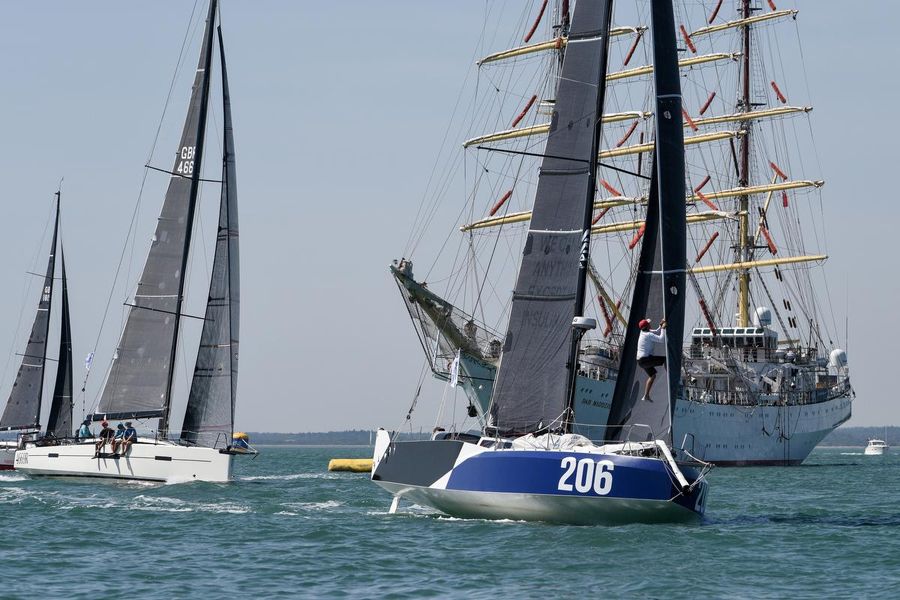
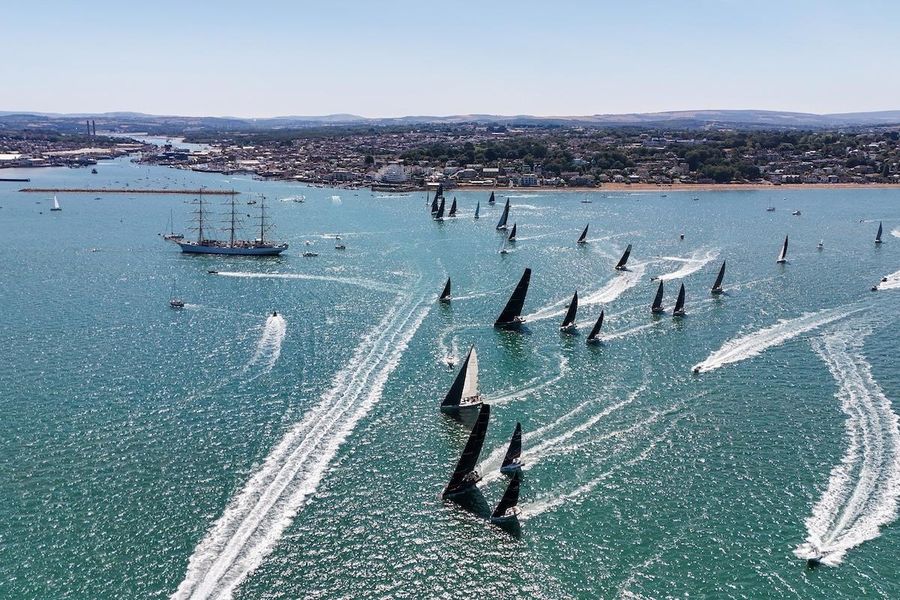
The 2026 RORC Round Britain and Ireland Race started from Cowes on Sunday with cannon fire from the Royal Yacht Squadron Line, sending 32 boats and 182 sailors from five continents into one of offshore sailing's most demanding courses.
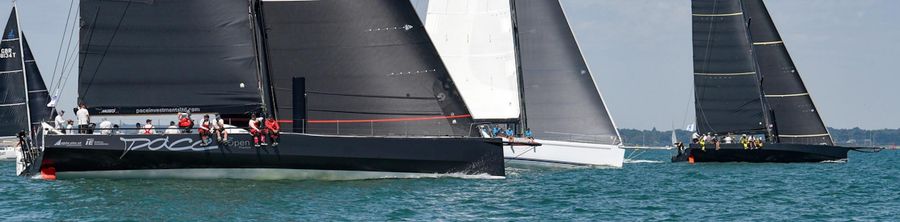
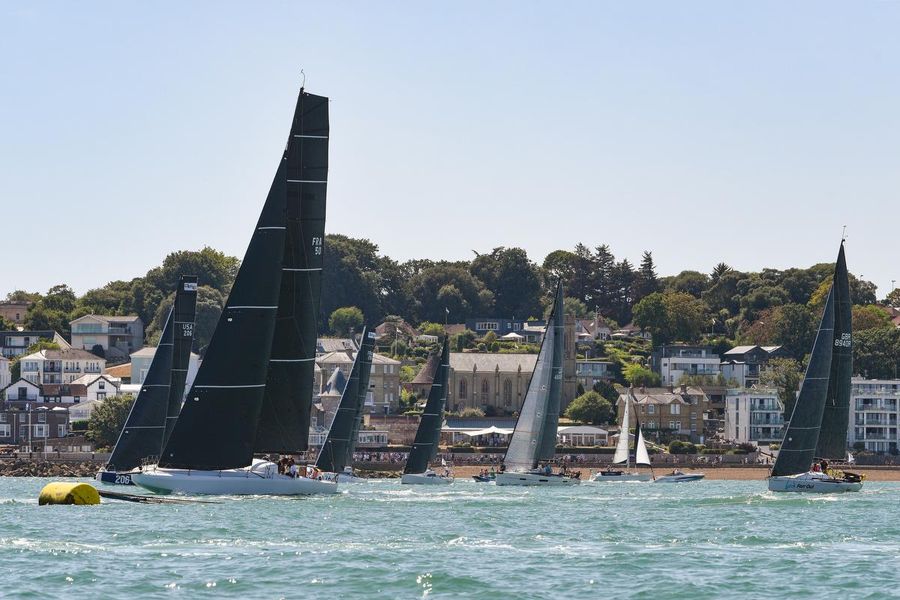
In bright sunshine and a light easterly breeze, the fleet made a clean start beating to windward before turning east out of the Solent. The 1,805-nautical-mile course will take crews around the tidal headlands of the English Channel, the west coast of Ireland, St Kilda, the Shetland Islands and through the complexities of the North Sea.
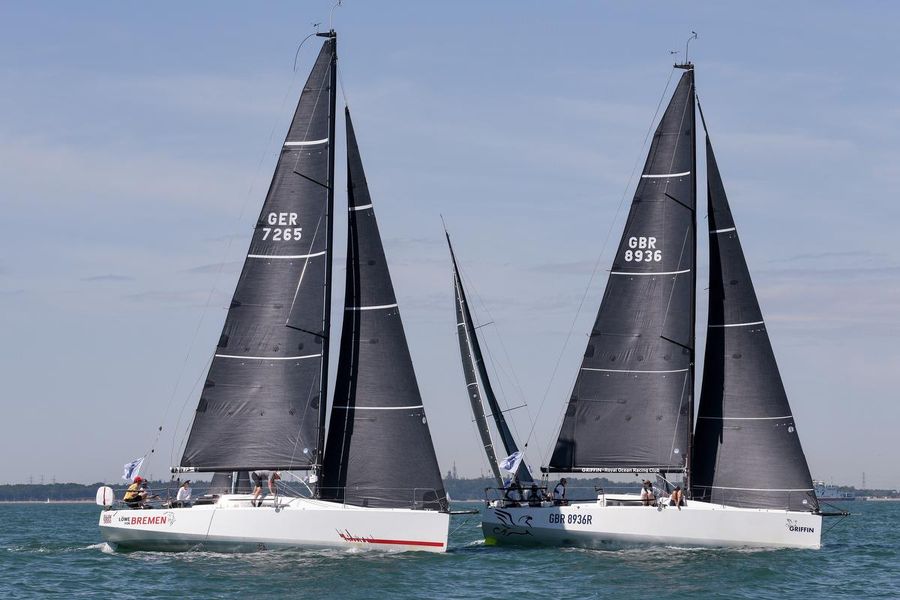
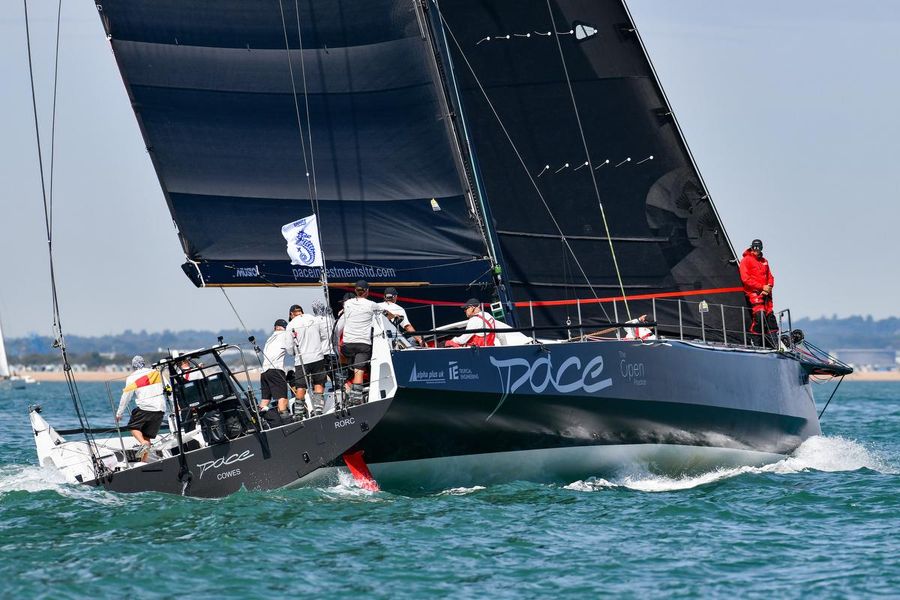
Two hours after the start, Johnny Vincent's Volvo 70 Pace was leading on the water, approaching Bembridge Ledge Buoy at over 10 knots. Jens Kellinghusen's Ker 56 Varuna 6 trailed by a mile. The Class40 division opened with a tight contest between Pierre LeBoucher's Penfret and Greg Leonard's Swift.
Conditions are forecast to sharpen considerably tonight. A westerly gradient of 10-15 knots is expected to establish, creating an upwind passage out of the English Channel before the breeze trends north-westerly. With the tide reversing during the first evening, crews face a short, uncomfortable sea as wind and current oppose each other.
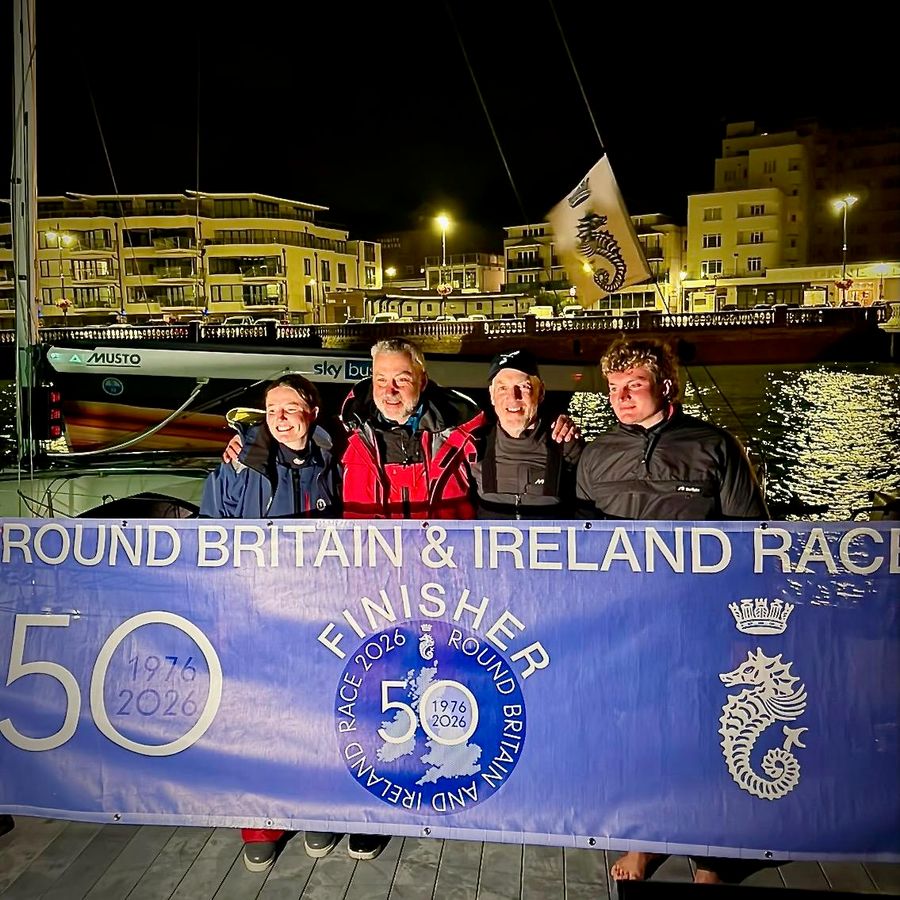
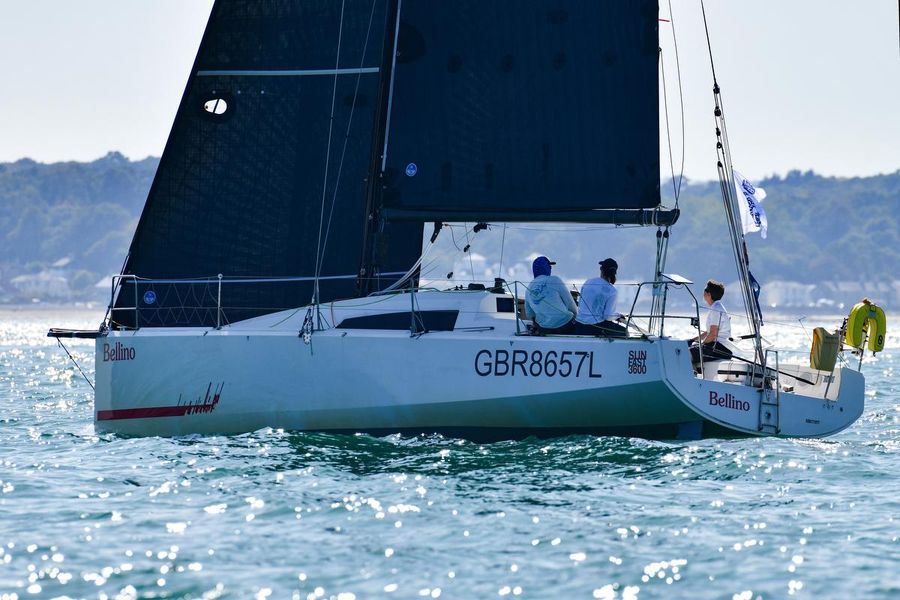
RORC Commodore Deb Fish, who navigated Incisor of Wight to overall victory in 2000 and finished second overall by seven minutes in 2022, is competing again with Rob Craigie on Bellino, this time four-handed with Griffin graduates Nicole Hemeryck and Joe Griffiths. Fish described the race as "the most challenging race in the RORC calendar, without a doubt," citing the combination of headlands, rocky shores, tidal races, traffic separation schemes, wind farms and sandbanks that define the course.
"What makes it so important to the RORC is that it represents what offshore racing is really about," Fish said. "Logistically it is hard, physically it is hard and mentally it is hard."