Rolls-Royce Power Systems has fundamentally changed how it fuels engine testing across its German operations, swapping out fossil diesel for hydrogenated vegetable oil, or HVO, at its sites in Friedrichshafen, Augsburg, and Ruhstorf. By the end of 2025, that single shift had kept roughly 3,200 tonnes of CO2 out of the atmosphere.
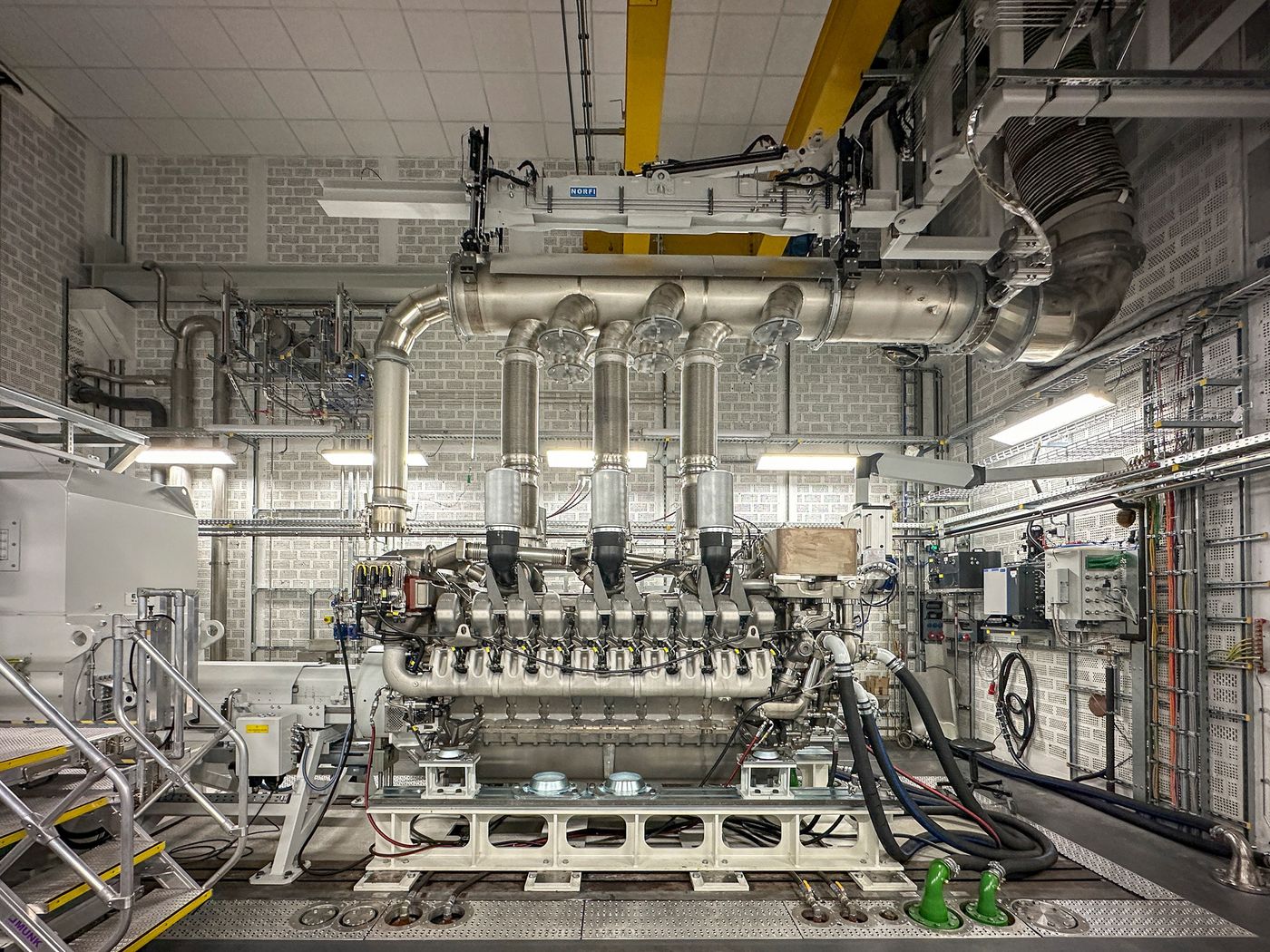
The transition began in September 2024, rolling out progressively until the full mtu Series 4000 engine range, which powers ships, trains, and energy systems, was running on HVO across all test benches. At Friedrichshafen alone, test bench CO2 emissions dropped by around 25 percent through 2025 against what fossil diesel would have produced over the same period. With HVO now operating year-round at all three facilities, the company expects even larger reductions when 2026 numbers come in.
Carbon is only part of the story. Burning HVO cuts particulate emissions by more than 40 percent and trims nitrogen oxide output by up to eight percent compared with conventional diesel. Viewed across the fuel's entire lifecycle, from the production of its feedstocks right through to combustion, HVO can reduce CO2 emissions by as much as 90 percent relative to fossil diesel, though the precise figure depends on which feedstock is used and how it is processed.
No engine modifications are needed to make the switch. Rolls-Royce has been certifying its mtu engine series for HVO and other fuels meeting the DIN EN 15940 standard since 2021, meaning existing hardware is already compatible. The cost difference has also proven modest, with HVO averaging just ten cents per litre more than standard B7 diesel during 2025.
Customers have been putting this compatibility to work for several years. Deutsche Bahn has powered its vehicles on sustainable fuel since 2022. Swedish data centre operator Eco Datacenter uses HVO to run its emergency generators, while mining company Rio Tinto has adopted it for dump trucks at major sites in California and Australia.
Nicholas Templin, Executive Vice President of Production, Logistics and Quality Management at Rolls-Royce Power Systems, was direct about what the company has found. "The switch to HVO is an important step towards even more sustainable manufacturing of our products," he said. "Our experience has been entirely positive."