By 05:30 AEDT, the 80th Rolex Sydney to Hobart Yacht Race has taken on a sharper, harsher shape. The lead boats are pushing hard toward the finish, while the fleet behind them has been stripped back dramatically overnight. Thirty yachts have now retired, and Bass Strait has proved, once again, to be the race's most unforgiving filter.
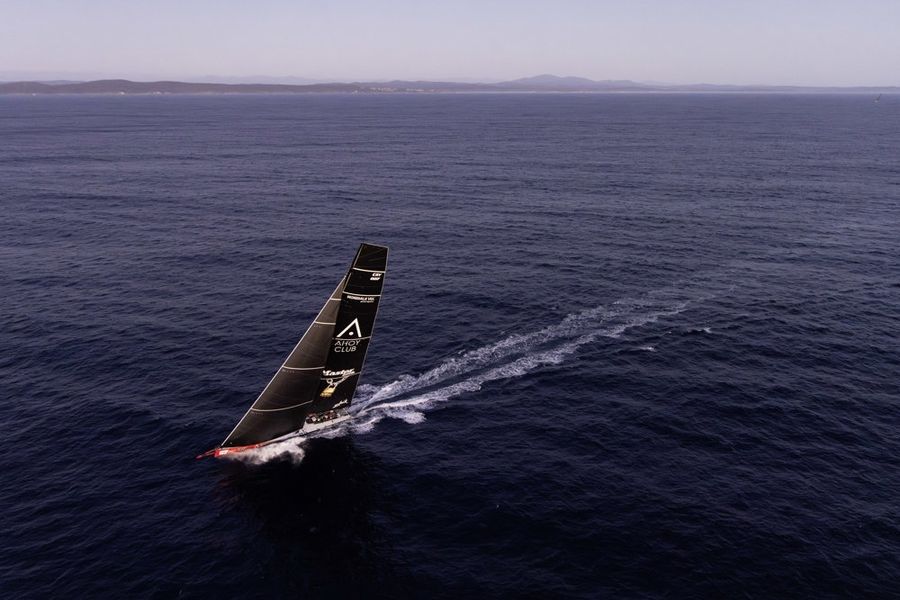
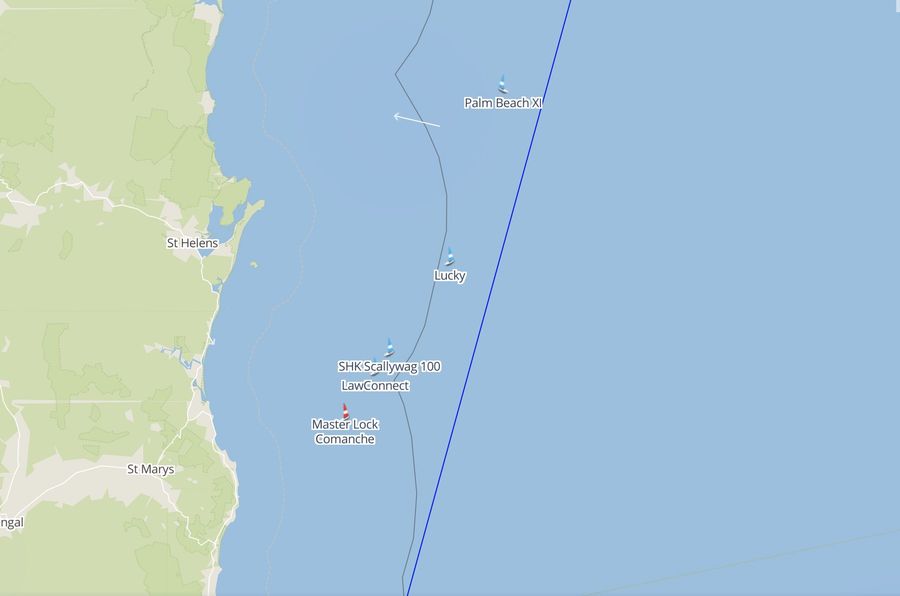
At the front, Master Lock Comanche holds a slender line honours lead south of Scamander, Tasmania, averaging 11 to 12 knots down the coast. LawConnect and SHK Scallywag 100 remain very much in contention, separated by only a handful of miles and trading small gains as pressure lines shift. Lucky, having fallen back from the previous day's close contest with Scallywag, and Palm Beach XI round out the leading group, both near enough to capitalise should conditions compress late in the piece.
On corrected time, Celestial V70 leads on IRC, with Lucky and Scallywag close behind. New Zealand's Callisto continues to feature inside both the line honours and IRC top tens, a quietly consistent presence as boats around her have fallen away. In PHS, Alithia heads the standings. The front of the race remains live and genuinely contested, with margins too tight for anyone to ease off.
Bass Strait is not delivering a spectacular storm this morning, but it offers no relief either. Early south-south-easterlies of around seven knots are producing a light chop over a short, uncomfortable swell. By afternoon, the breeze is forecast to build from the east to around 14 knots, tightening conditions further. It is the character of the sea state rather than the headline numbers that extracts the toll. Wave periods of around nine seconds mean constant motion and relentless loading on both equipment and crew. For sailors already worn down after a hard run south, this is precisely the environment in which fatigued bodies and marginal systems begin to give way.
The overnight retirements tell that story plainly. Hull damage, rigging failures, rudder and steering problems, and electrical or battery issues account for the bulk of the 30 exits. Sail damage features among the casualties, but it is not the defining pattern. The fleet was pushed hard, upwind and reaching, through awkward and persistent seas for extended periods, and the structural and mechanical consequences have been considerable.
Among the more prominent casualties, URM Group, considered a pre-race favourite, is out with hull damage. Wild Thing 100 has retired with rigging failure. Moneypenny, Ocean Crusaders J-Bird, Koa, Mistral, and Kraken 42S have all turned for shelter rather than continuing toward Hobart. Each departure reshapes corrected-time projections and removes tactical reference points for those still racing.
The loss of both Maritimo entries carries its own weight. Maritimo 100 retired with electrical problems, while the 121-year-old Maritimo Katwinchar was withdrawn at the skipper's discretion, a measured call consistent with the vessel's age and offshore philosophy. That modern, purpose-built hardware and a historic yacht have both stepped aside speaks to how demanding the threshold to continue has become.
Crew welfare has driven several further decisions. Suspected rib injuries have forced multiple boats to abandon their campaigns, and seasickness has contributed to additional retirements, particularly among double-handed entries where a crew of two leaves no margin when one sailor is incapacitated. The physical cost of this race has been real.
{{TABLE_1}}
From a New Zealand perspective, the picture has narrowed. Vixen Racing had already retired due to crew injury, and overnight V5 exited with keel damage. That leaves Callisto, Rum Bucket, and Gizmo as the Kiwi-flagged boats still making their way south. Lucky, American-owned but carrying strong connections to New Zealand through her programme and personnel, continues to draw close attention from this side of the Tasman. It is a smaller group than many had hoped for, but one that has already come through the hardest stretch the race has offered.
The fleet continuing south today is more spread and sailing with less cover than at any earlier point in the race. Fewer reference boats means greater reliance on individual judgement, and with the hard miles already banked, this phase is less about bold tactical moves and more about precise execution, careful maintenance, and keeping both boat and crew in working order. Most skippers still racing have already made the commitment to cross Bass Strait, and that commitment, generally the hardest call of the whole campaign, is what separates those still in contention from the 30 who have turned back. A winner is expected before the day is out.