Manu Cousin crossed the finish line at 0010 NZST on 23 June, bringing the third edition of the Vendée Arctique to a close some 13 days and 21 hours after the fleet had set out. His Sunday morning arrival drew a quiet end to a race that has already begun shifting what IMOCA competitors believe their sport is capable of demanding from them. In the fortnight between the start gun and that finish, the fleet moved across latitudes no IMOCA race had ever visited, through conditions that lurched from outright brutality to an unsettling, windless stillness.
Nine skippers crossed north of the Arctic Circle, a first in the entire history of IMOCA racing. The ambition of the undertaking was not lost on any of them before the start. Sam Goodchild of MACIF Santé Prévoyance spoke plainly about what the fleet was attempting: "Personne n'était jamais monté autant au Nord dans une course." In the days leading up to the race, he and his fellow competitors had talked openly about their appetite for unconventional challenges. The Arctic, though, turned out to be something their enthusiasm alone could not fully prepare them for. Francesca Clapcich found the polar environment entirely alien, while Manu Cousin reached for the Southern Ocean as his closest point of comparison, hearing familiar echoes in the mood and character of those high northern waters.
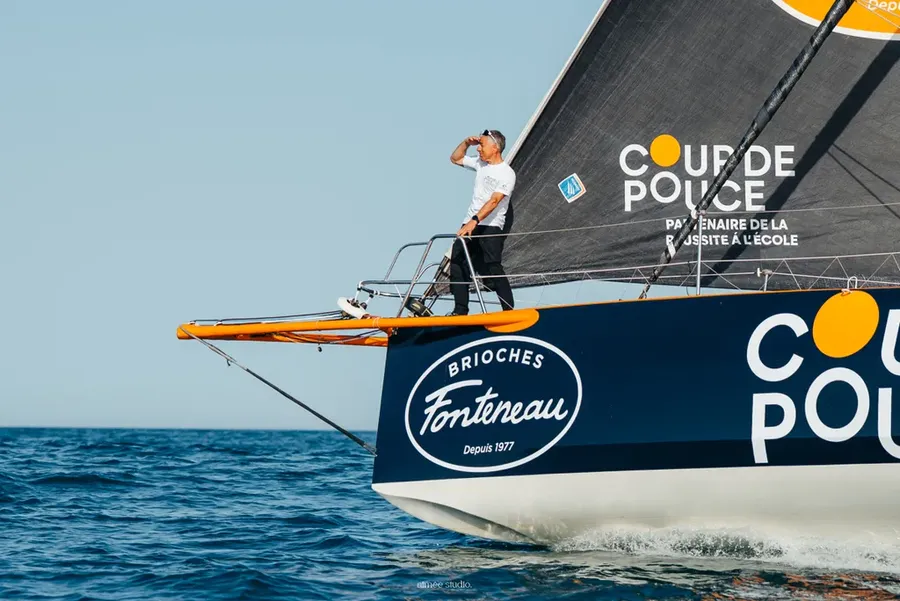
The racing itself unfolded at a relentless pitch. Goodchild was among the first to articulate what the whole fleet had come to understand, describing the event as a Vendée Globe compressed into eight days. That comparison carried genuine weight. Cold water, persistent humidity, the constant need to balance boat speed against structural caution, and sudden violent shifts in wind and sea state all recreated the pressures of a full circumnavigation in miniature. Violette Dorange captured the experience with characteristic economy: "On a tout connu en huit jours." Wind, flat calm, heavy seas, frost. She counted it the most intense race she had ever sailed.
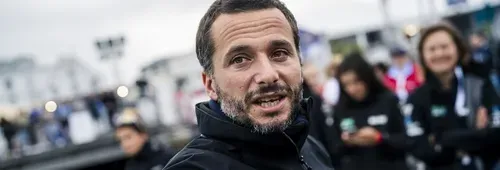
Élodie Bonafous reached the same conclusion. The sheer density of tactical decisions, the unbroken sequence of manoeuvres, and the conditions that never settled long enough to allow any easing off had made the race exceptional. Arnaud Boissières described the route as bold and the voyage it generated as extraordinary. Ambrogio Beccaria allowed himself something simpler: "Now we can say we did it." The final hours before Cousin's finish had been closely watched, with the winning margin only becoming apparent in the closing stages.
For the nine sailors who competed, the Vendée Arctique has grown into something that extends well beyond any single result. The hard-won knowledge they carry back from polar waters will feed directly into preparations for the Vendée Globe 2028. They have shown that IMOCA boats can operate at extreme latitudes, that teams can manage conditions for which no prior blueprint existed, and that genuinely unexplored racing routes remain available to those willing to seek them out. The third edition delivered on every expectation, producing suspense, raw emotion, and a course that has permanently enlarged what at least nine sailors now regard as within reach.