Andrew Bedwell's attempt to cross the Atlantic in a vessel smaller than a wheelie bin has ended in rescue, with the Canadian Coast Guard pulling the Lancashire sailor from the ocean off Newfoundland on 5 June.
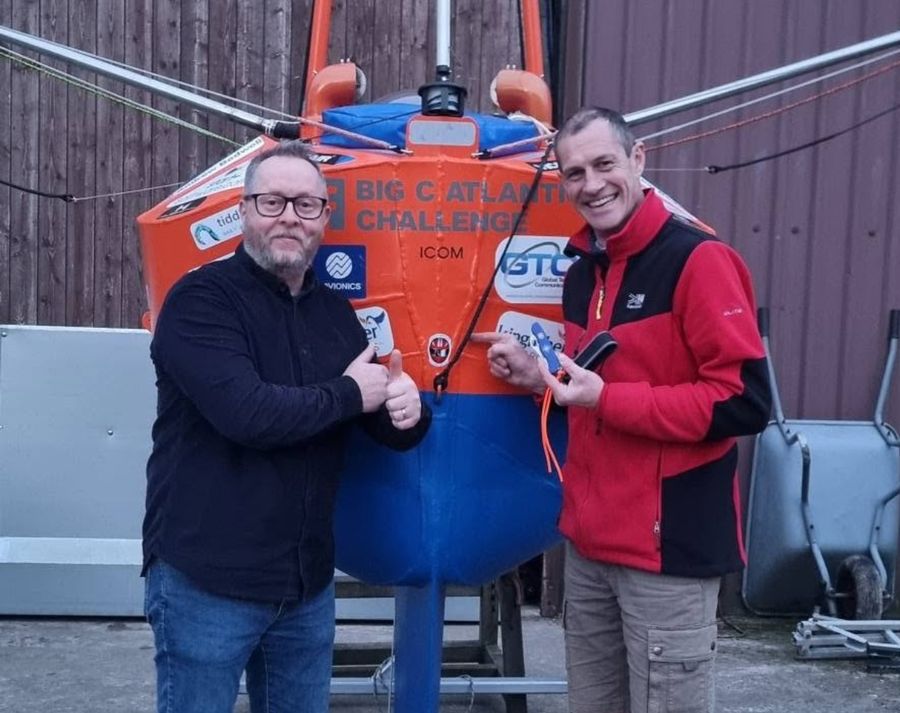
Bedwell, from Scarisbrick, had poured years of preparation into the challenge. At midday on 4 June, he departed St John's aboard Big C V2, a custom-built aluminium micro-yacht, with two goals in mind: claiming a Guinness World Record for the smallest vessel to complete an Atlantic crossing, and raising money for Cancer Research UK. The cause was deeply personal. Bedwell lost both parents to cancer, and the unsupported 3,200-kilometre voyage was his tribute to them.
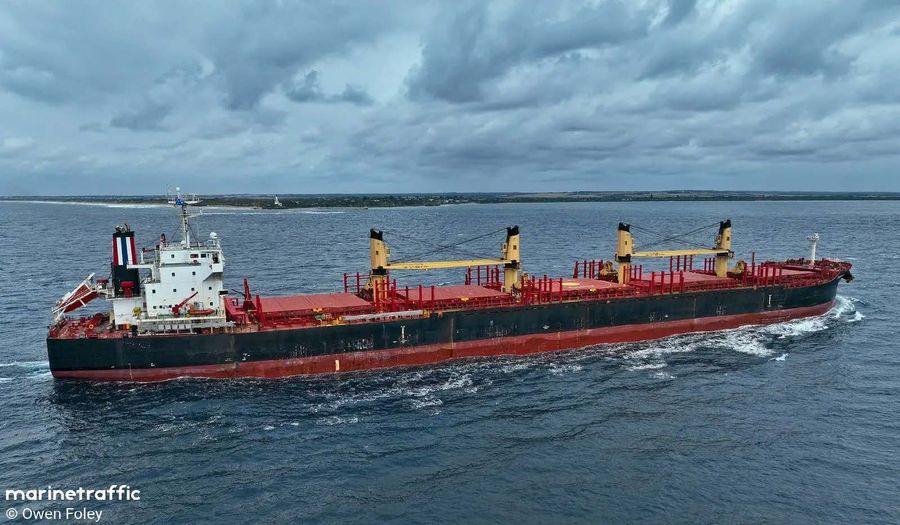
The attempt lasted just two days before things went wrong. The Canadian Coast Guard was advised he needed assistance, and Big C V2 was located approximately 120 kilometres east of Grates Cove, near the tip of Newfoundland's Bay de Verde Peninsula. The CCGS Sacred Bay was tasked from Old Perlican and reached the scene at around 2:15pm local time. Bedwell was retrieved safely and brought ashore. Big C V2 was abandoned at sea.
The record Bedwell had set his sights on belongs to American sailor Hugo Vihlen, who completed the crossing from Newfoundland to Cornwall in 1993 aboard the 1.62-metre Father's Day. At 100 centimetres long and 140 centimetres wide, Big C V2 would have beaten that mark with room to spare had the voyage succeeded.
Bedwell had made one previous attempt at the crossing. In May 2023, that effort came to grief within hours of departure due to water ingress, and Big C V1 was subsequently destroyed when dropped onto a harbour wall during crane recovery. Speaking to the BBC ahead of this latest attempt, Bedwell described the moment: "Three years worth of work all destroyed in nanoseconds. But there's no way I can stop."
Bedwell is an experienced ocean sailor who has previously completed a solo journey to the Arctic. Big C V2 was developed alongside naval architect Jérôme Delaunay and fitted with twin Dacron sails, a watertight polycarbonate domed hatch, and solar and battery power. Most of his food was moulded directly into the frame as vacuum-packed bars.