
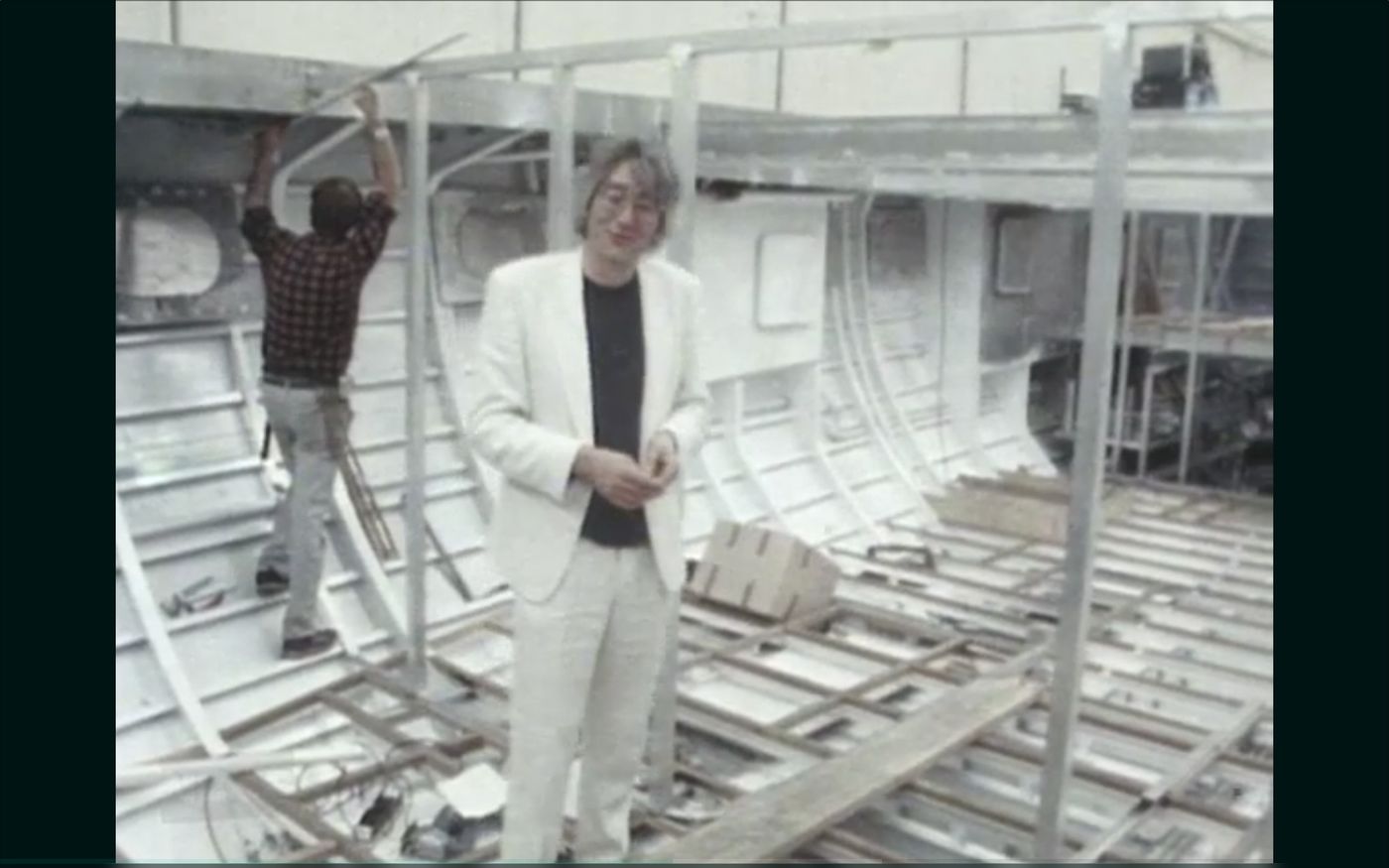
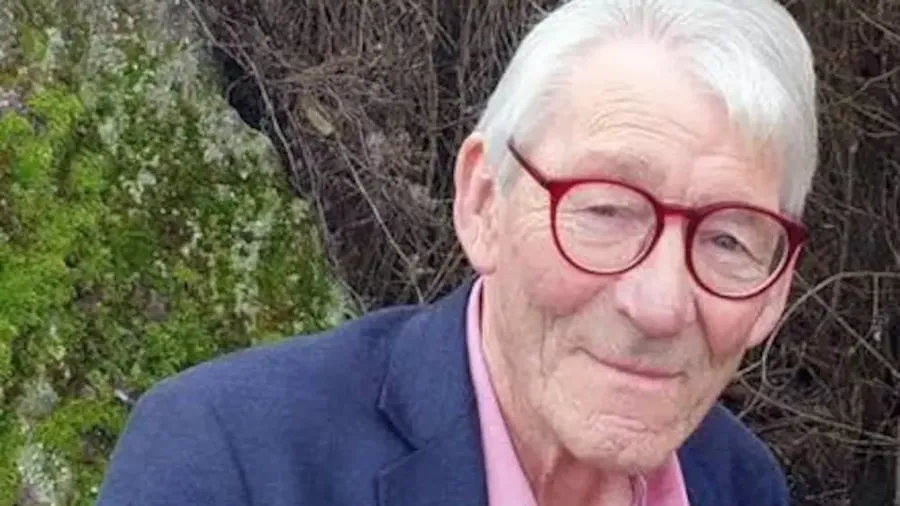
Jim Hopkins, one of New Zealand's best-known broadcasters and, for the past two decades, a Waitaki district councillor, died on Monday morning aged 79.
Hopkins built his name well before politics, working across television, radio and theatre from the 1970s onward. He wrote for the soap opera Close to Home, later turning to satire and current affairs, and appeared regularly on panel shows and light documentary. His 1998 book Blokes & Sheds reached number one on the New Zealand sales list within a week of release, and its portrait of amateur Kiwi inventors became a television series in its own right. He also hosted the national Young Farmer competition final for 21 years, stepping down in 2011.
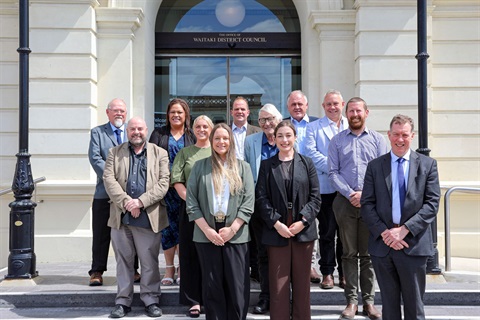
Hopkins moved into local government in the 1990s, serving four terms on the Banks Peninsula council before shifting to Waitaki, where he was elected Oamaru ward councillor in 2007 and served as deputy mayor from 2010. He remained on council until his death. Waitaki Mayor Mel Tavendale said Hopkins brought "a massive sense of humour and personality that certainly lightened the mood many times at council," and described him as a natural orator with a sharp, generous mind who always seemed to find his way to the side of the underdog.
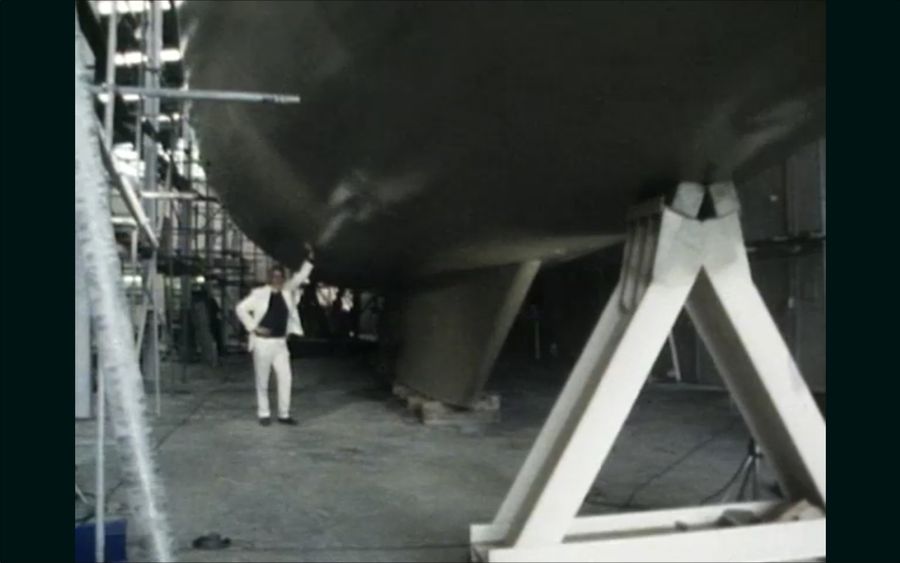
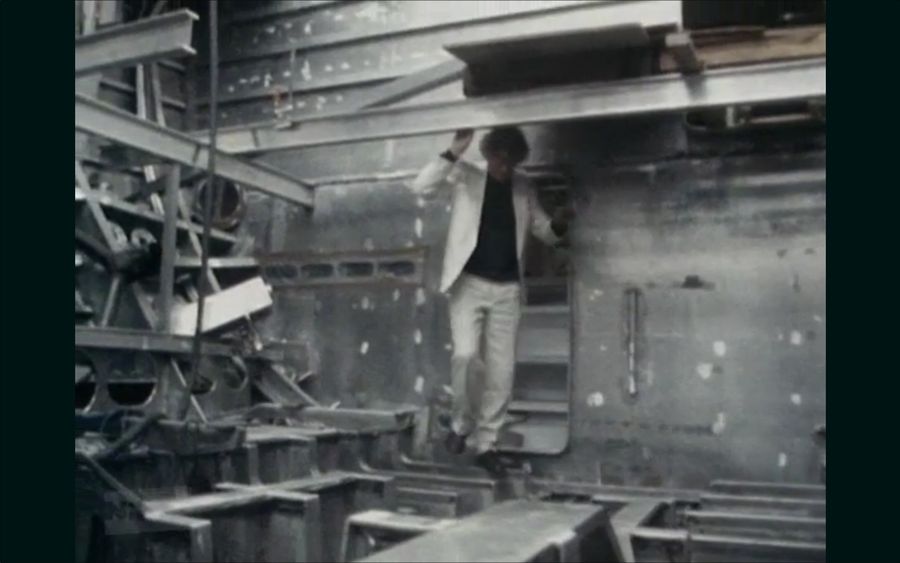
In 1986, well before his time on council, Hopkins visited a West Auckland yard to report for TV program of the day, Fast Forward, on the construction of what was then the largest yacht ever built in New Zealand. The footage offers a glimpse of an industry working without computer modelling or digital project management, relying instead on drawn plans and aluminium plating built up sheet by sheet.
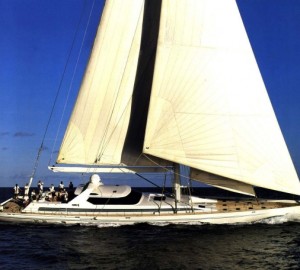
The yacht in question was Aquell II, a 37 metre sailing vessel built by Sensation Yachts and designed by Dubois Naval Architects, launched in Auckland in 1986 under the project name Aquel II. Her aluminium hull and part-aluminium, part-GRP superstructure carried a beam of 7.62 metres and a draught of 5.85 metres. Below decks, interior styling by Bob Milhous and Edward Meayers reflected the design conventions of large sailing yachts from that period, with accommodation for six guests and six professional crew.
Vainqueur as she was later named, was fitted with twin MAN diesel engines producing a combined 710hp, giving her a cruising speed of 12 knots and a top speed of 14, with a range of 2,750 nautical miles at cruise. She carried close to 29,500 litres of fuel and 9,300 litres of fresh water. She underwent a refit in 1995.
Waitaki District Council said Hopkins was "a fierce advocate for the people of Waitaki, both within and beyond council, and he scrutinised every detail. He kept us all honest." Council chief executive Alex Parmley said Hopkins "always brought a very considered approach to his responsibilities on Council, together with a wicked sense of humour and that was something we all valued," adding that the council was working with Hopkins' family "to provide a fitting farewell for a deeply community-minded man whose commitment is something we can all look up to."
The Resource Management Law Association, where Hopkins was a longtime contributor to the Resource Management Journal, has republished one of his satirical essays in his memory. Waitaki District Council has opened a condolences book at its offices, with details of a memorial service to be confirmed in the coming days. The council will fly its flag at half mast.
-900x675.jpg)