First aid kits rarely get the attention they deserve on a boat. While lifejackets, VHF radios, and flares attract plenty of discussion, the medical supplies tucked away in a locker can sit untouched for seasons at a stretch. That neglect has real consequences. Bandages absorb moisture, adhesives stop working, gloves perish, and medications quietly pass their use-by dates. Getting your kit sorted before the summer season starts is time well spent.
Start by pulling everything out and laying it on the saloon table for a proper inspection. Check pain relief, sunscreen, seasickness tablets, and antiseptic cream for expiry dates, and swap out anything that's past it. Examine the packaging on every sterile dressing — anything torn or compromised by damp should go straight in the bin. Gloves and elastic bandages deserve close attention too, as both degrade over time and are best kept sealed in bags until needed.
Tip: Tape a checklist to the inside lid of your kit and mark when items were last checked.
Experienced marine medics and Maritime NZ guidelines are broadly in agreement on what a well-rounded onboard kit should contain.
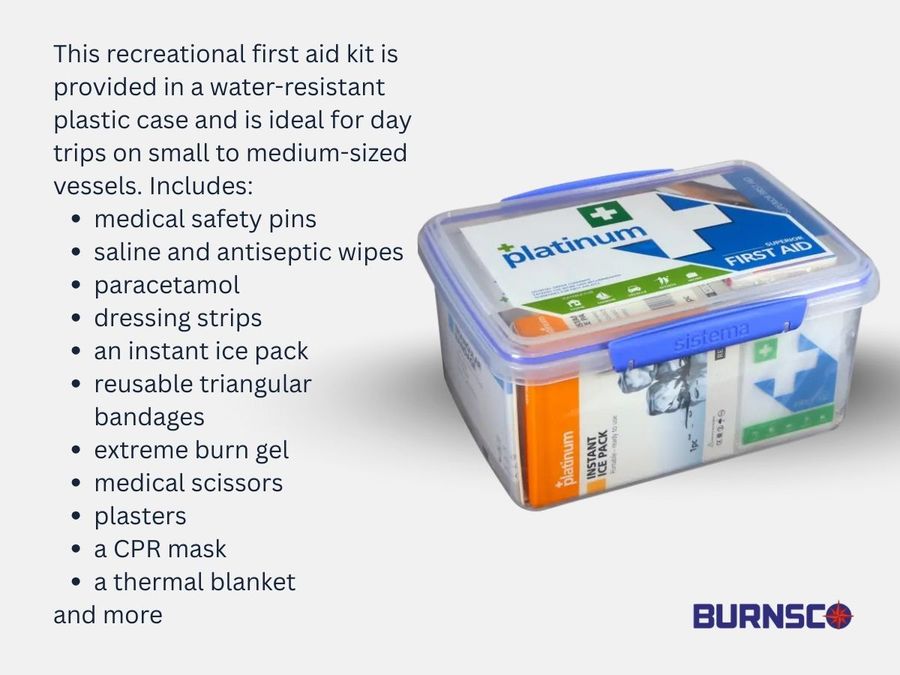
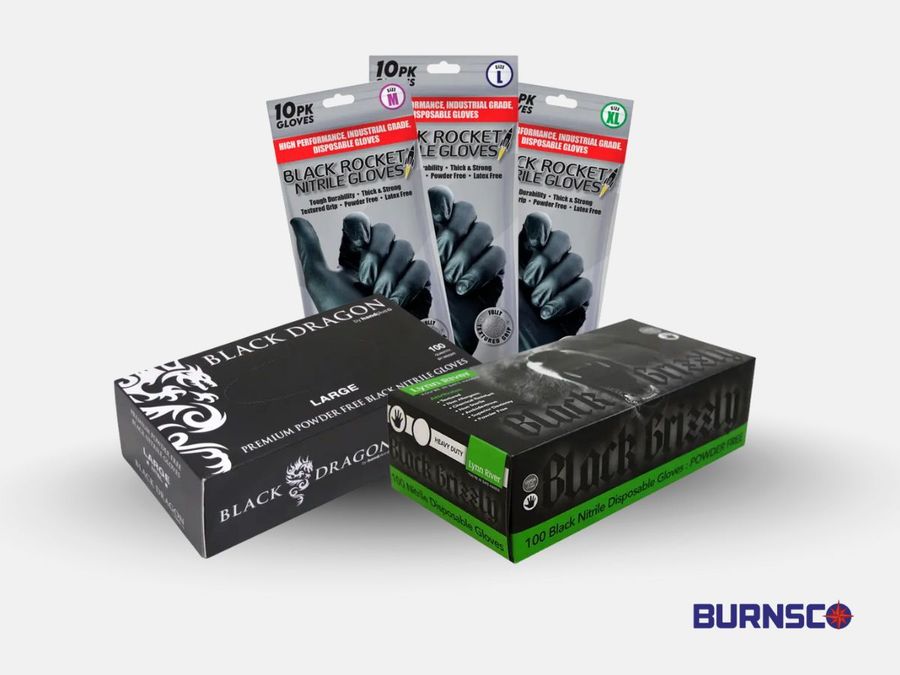
At minimum, any boat heading out should carry sterile dressings and adhesive bandages, antiseptic wipes and ointments, triangular bandages and crepe bandages, burn dressings and gel, tape, scissors, tweezers, and safety pins. Round that out with nitrile gloves, a CPR mask, and a thermal survival blanket. Lightweight and easy to stow, a good survival blanket takes up almost no space but earns its place quickly in an emergency. Boats making offshore passages should consider stepping up to a more comprehensive kit that includes advanced dressings and room for additional medications.
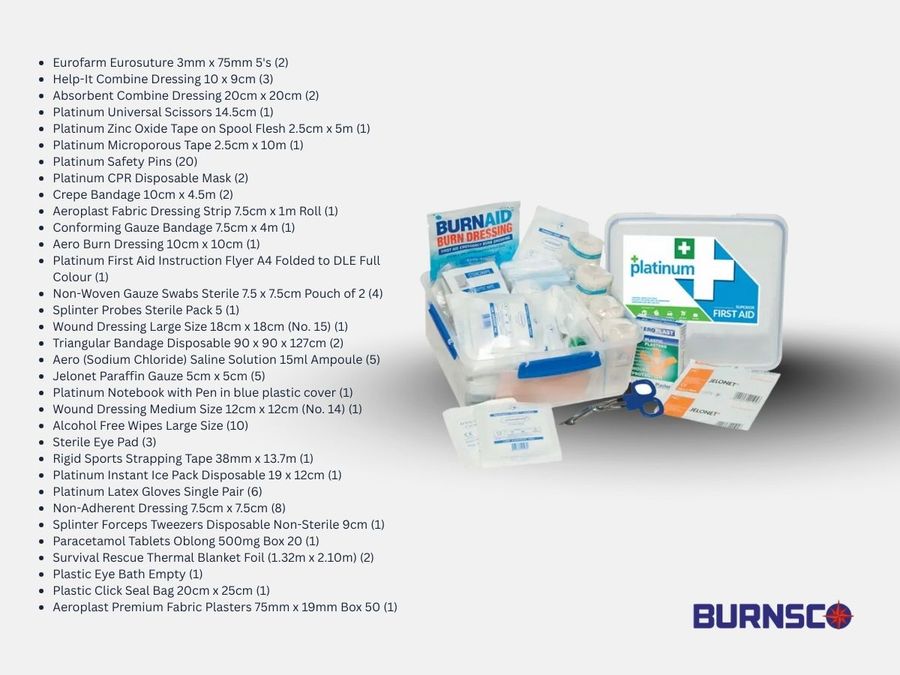
New Zealand conditions also bring a few specific hazards worth planning around. Sunburn is an ever-present risk on the water, so sunscreen should be a fixture in every kit. A small bottle of something to treat insect bites is another worthwhile addition. For anyone who fishes, a hook cutter or crimping tool is genuinely useful. Being able to remove a hook barb on the spot can avoid a painful and potentially risky trip ashore.
Matching your kit to your style of boating makes good sense. A compact kit suits day trips and dinghy runs, while a mid-range option covers most of what you're likely to encounter on weekend cruises. For longer bluewater passages, a marine-grade waterproof kit is the appropriate choice.
Storage matters as much as contents. A cracked or leaky container undermines everything inside it, so if yours is no longer watertight it's worth replacing. Keep the kit somewhere clearly marked, easily reached, and known to every person on board. Building kit checks into your annual maintenance routine is the simplest way to stay on top of things. Once before summer and once mid-season is a reasonable rhythm, logged alongside engine servicing, safety gear inspection, and antifoul.
Boating in New Zealand is a safe pursuit, but things do go wrong on occasion. A fishing hook through a finger, a burn from the barbecue, or a twisted ankle on a wet deck are all situations where a properly stocked first aid kit earns its keep. Nobody expects to need one, but having it ready and in good order when something happens out on the water is exactly the kind of preparation that makes a real difference.