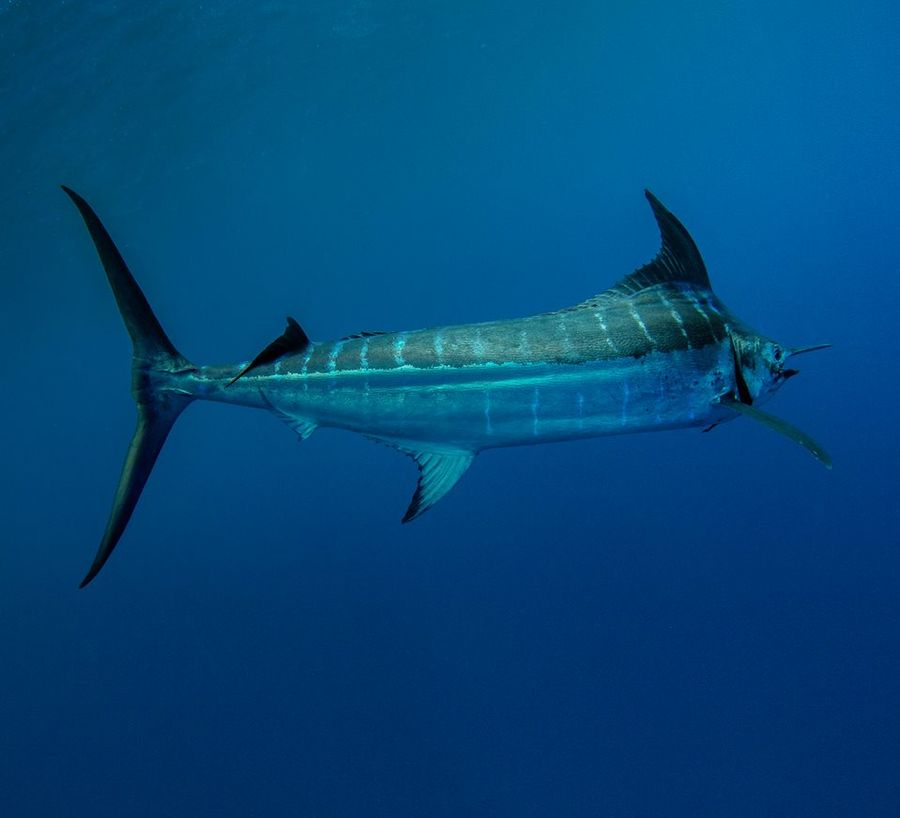
The fisheries consultation process has generated an extraordinary level of public engagement, with more than 22,000 submissions lodged in recent weeks over proposed changes to marlin and a number of reef species. That volume of response signals deep unease among recreational fishers, coastal communities and fishing clubs, many of whom argue the proposals could fundamentally reshape long-standing expectations around how these fisheries are managed.
The surge in participation follows a period of intense debate across the sector, including the One Ocean Protest rally and sustained advocacy by groups such as LegaSea. At the heart of the concern is the possibility that revised bycatch settings could open a legal pathway for commercial operators to take marlin. For recreational fishers, this would mark a sharp break from a position long treated as settled: that marlin belongs to the recreational fishery alone.
The past week brought a notable development on the political front, with Conservation Minister Tama Potaka making direct contact with protest organisers. Supporters had urged the Minister to engage with the group, and he followed through with a phone call to address several claims circulating online. Among those claims were suggestions that the protest was opposed to HPAs or customary take. Organiser Ben Chissell told the Minister that neither point reflected the protest's actual aims, and that most fishers support conservation measures when the rules are fair and clearly set out.
Minister Potaka acknowledged the frustration surrounding commercial ring-net activity within proposed HPAs, noting that the situation arises from coalition arrangements rather than reflecting his own preferred position. He asked to remain in contact with fishing representatives over the months ahead.
LegaSea, meanwhile, has expressed gratitude to the thousands who responded to its submission call. The organisation has been careful to frame its concern not as opposition to commercial fishers themselves, but as a caution about how fisheries behaviour shifts once a species acquires commercial value. As an illustration, the group pointed to swordfish, where bycatch allowances created a pathway for targeted harvest and landings rose dramatically as a result. "You do not go from small amounts to hundreds of tonnes by accident," the group said, making the case for strict boundaries in any framework governing marlin.
Attention is now turning to Minister of Fisheries Shane Jones, who is expected to announce a decision on marlin bycatch limits this week. For many in the fishing community, that announcement will serve as a measure of whether the concerns raised so widely across the country have genuinely been taken into account.
Both advocacy groups and individual fishers say they intend to remain engaged as the process continues. The past fortnight has shown how strongly New Zealanders value their fisheries, and how swiftly they are prepared to make that feeling known when core species appear to be at risk.